At YONGFAN, engineering is not limited to creating a product drawing. The real question is whether the equipment will perform correctly once it becomes part of an operating HVAC system.
Airflow, pressure, temperature, humidity, contamination, water quality, available space, control strategy, maintenance requirements and applicable duty conditions.

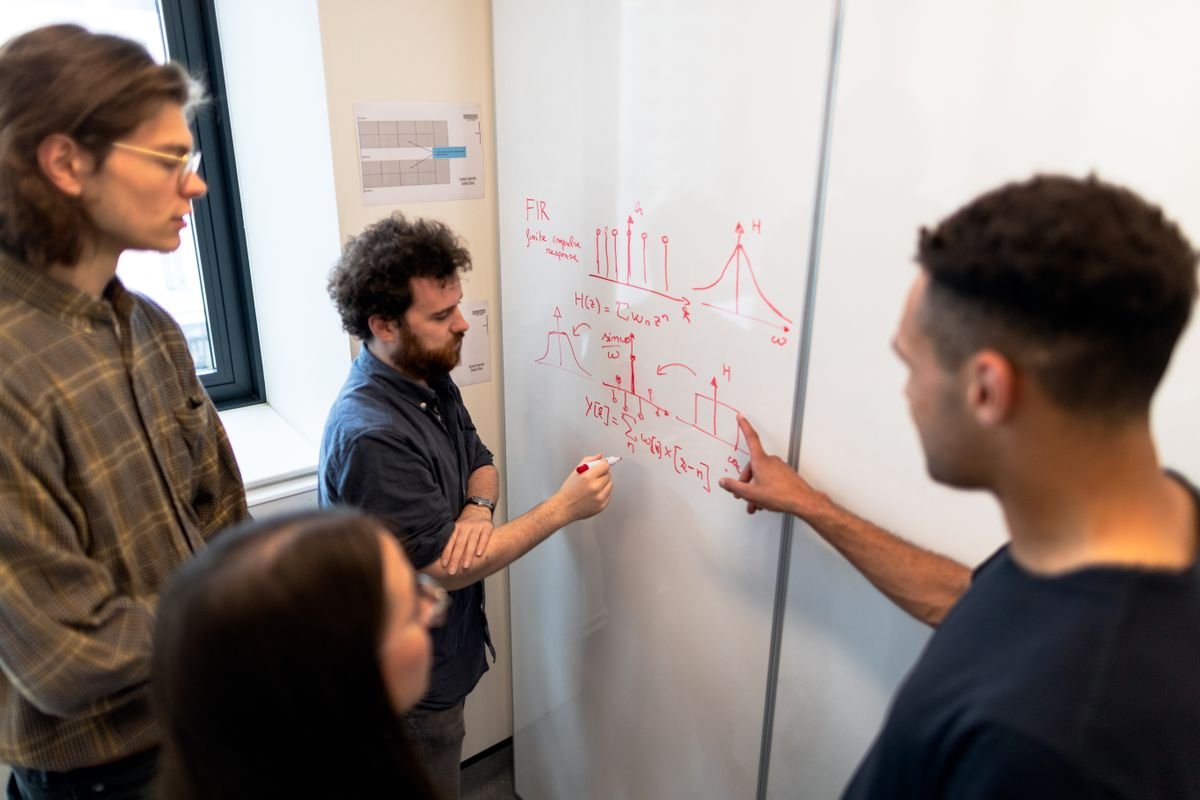
Catalogue data defines a standard product. Projects define the conditions under which that product must actually operate. The two are not always identical.
A fan may need to operate against higher duct resistance. A filter may have to achieve a target efficiency within a strict pressure-drop limit. A heat exchanger may need a different material because of chloride concentration or water quality. A VAV terminal may need to fit into a restricted ceiling void. A control valve may need to replace an existing product without modifying the surrounding pipework.
YONGFAN engineering work focuses on connecting Product Capability with Project Requirement before final equipment configuration is confirmed.
The engineering process can be understood in four stages — from identifying the operating requirement to verifying the final configuration against it, before production or release.
Airflow, pressure, temperature, humidity, noise, filtration efficiency, water quality, target gases, installation dimensions, electrical and control requirements — understand the application before deciding the product.
Not only “which model?” but “which type of product is right for this problem?” — axial vs. centrifugal, primary vs. HEPA, plate vs. tubular exchanger.
Size, material, motor, blade angle, filter grade, pressure class, actuator, control method and accessories — defined once the product family is selected.
The final configuration is checked against the operating requirement — reducing the gap between catalogue performance and actual system performance.
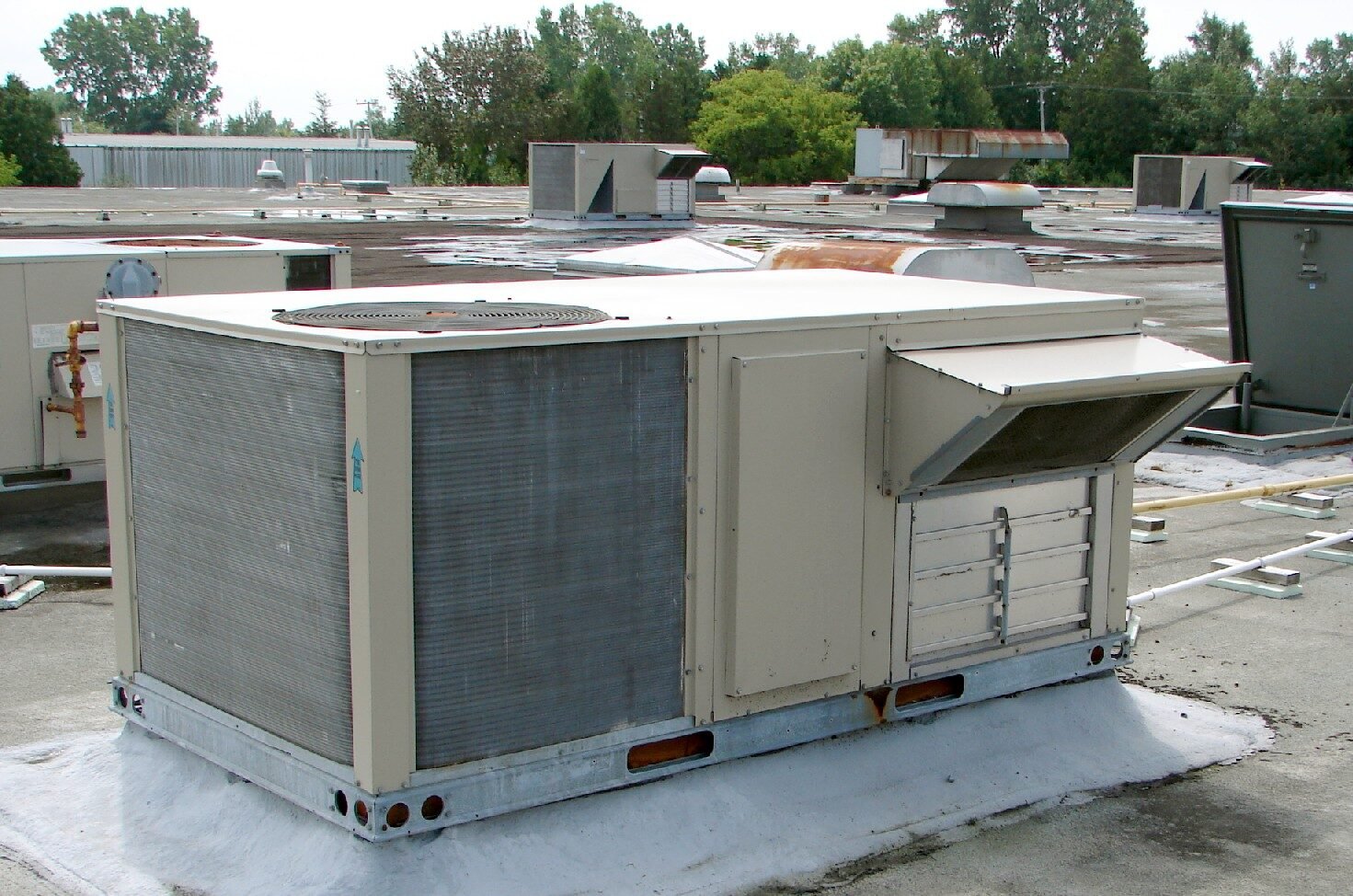
The same fan can deliver very different airflow depending on system resistance. Engineering selection therefore considers airflow, pressure, temperature, noise, installation and duty together — not airflow in isolation.
Different fan designs solve different system problems. Choosing the correct architecture comes before choosing the model number.
High airflow with low or moderate resistance — general ventilation, smoke exhaust and industrial air movement.
Axial-style compactness with higher pressure capability — where duct resistance exceeds a conventional axial fan.
Higher pressure capability for ducted systems, process ventilation and demanding resistance conditions.
Compact roof-level exhaust arrangement for buildings and industrial spaces.
Separate the motor from the airstream — suited to hotter, corrosive or difficult air. E.g. T35-11 / BT35-11 bypass design.
Selected by thrust and tunnel aerodynamics rather than conventional duct static pressure alone.
Tunnel ventilation is one of the clearest examples of application-led engineering — selection depends on the whole tunnel system, not fan diameter alone.

The engineering question is: how many fans, of what thrust, in what arrangement, are required to create the specified longitudinal airflow under both normal and emergency conditions?
Air filtration engineering is not a race to install the highest possible filter grade. Every filter introduces resistance — correct design considers the entire filtration train.
Removes coarse dust and protects downstream equipment.
Reduces finer particles and extends the service life of high-efficiency filters.
Final-stage high-efficiency particle control for clean or critical environments.
Targets gases and molecular contamination rather than particles.
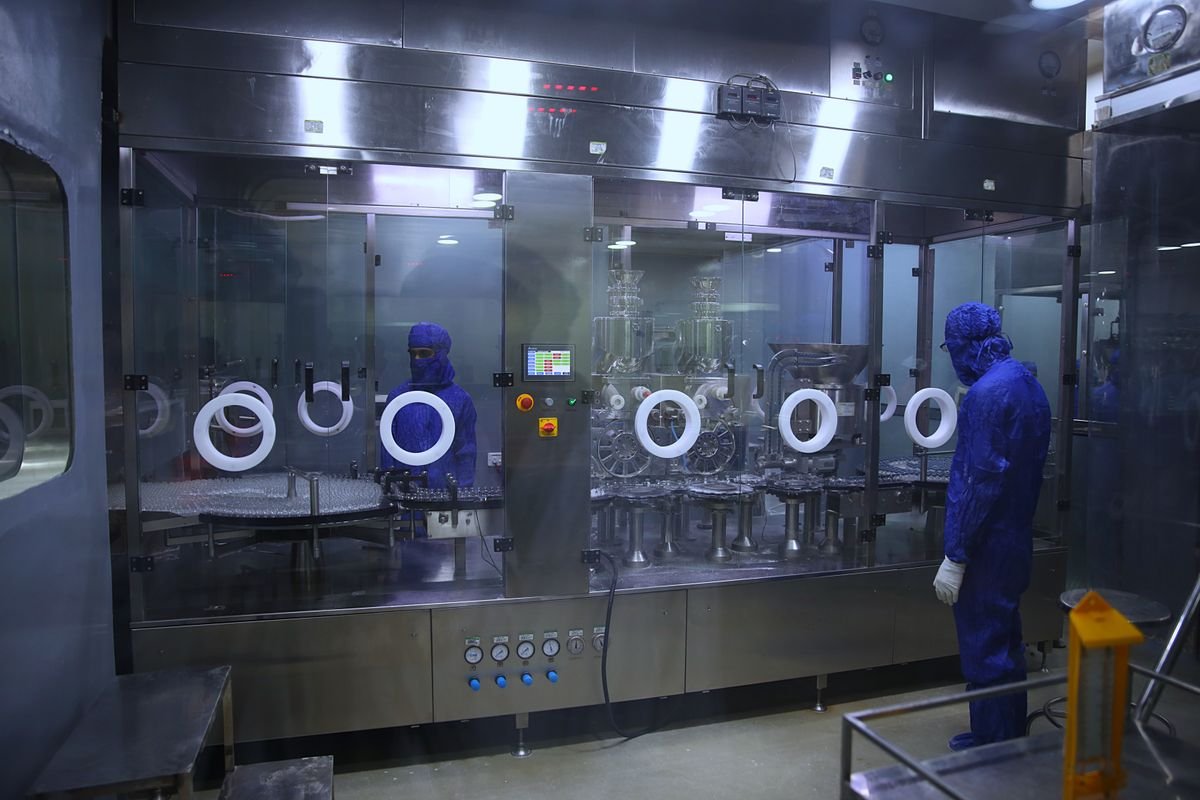
A conventional filter can capture dust — it cannot remove molecular gases with a finer particle filter. Gas-phase engineering begins with what gas is present, and what the objective is.
 OBJECTIVE 01
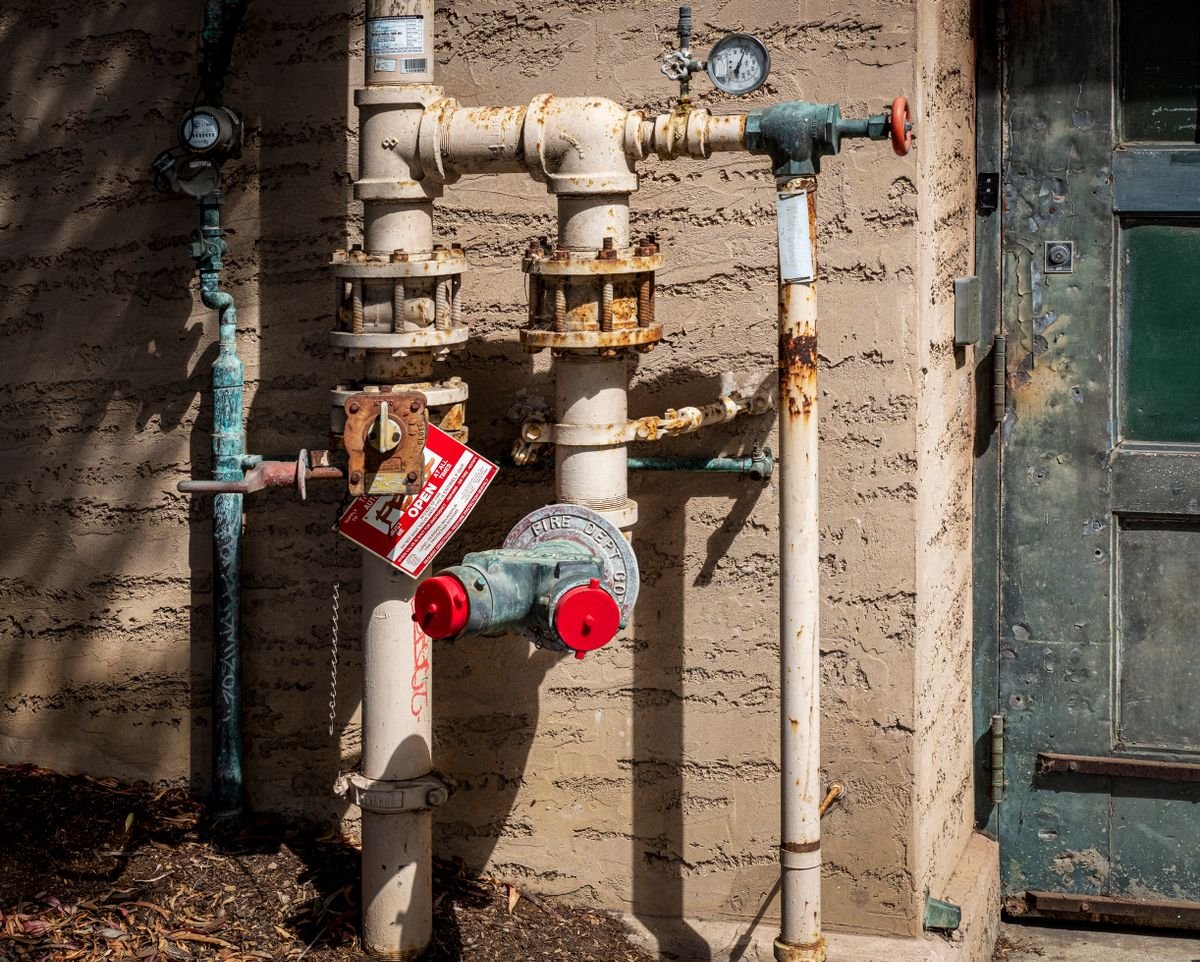
Protect control rooms, server rooms, instrument rooms and electrical equipment — through filtered outside air, recirculation air, or both.
 OBJECTIVE 02
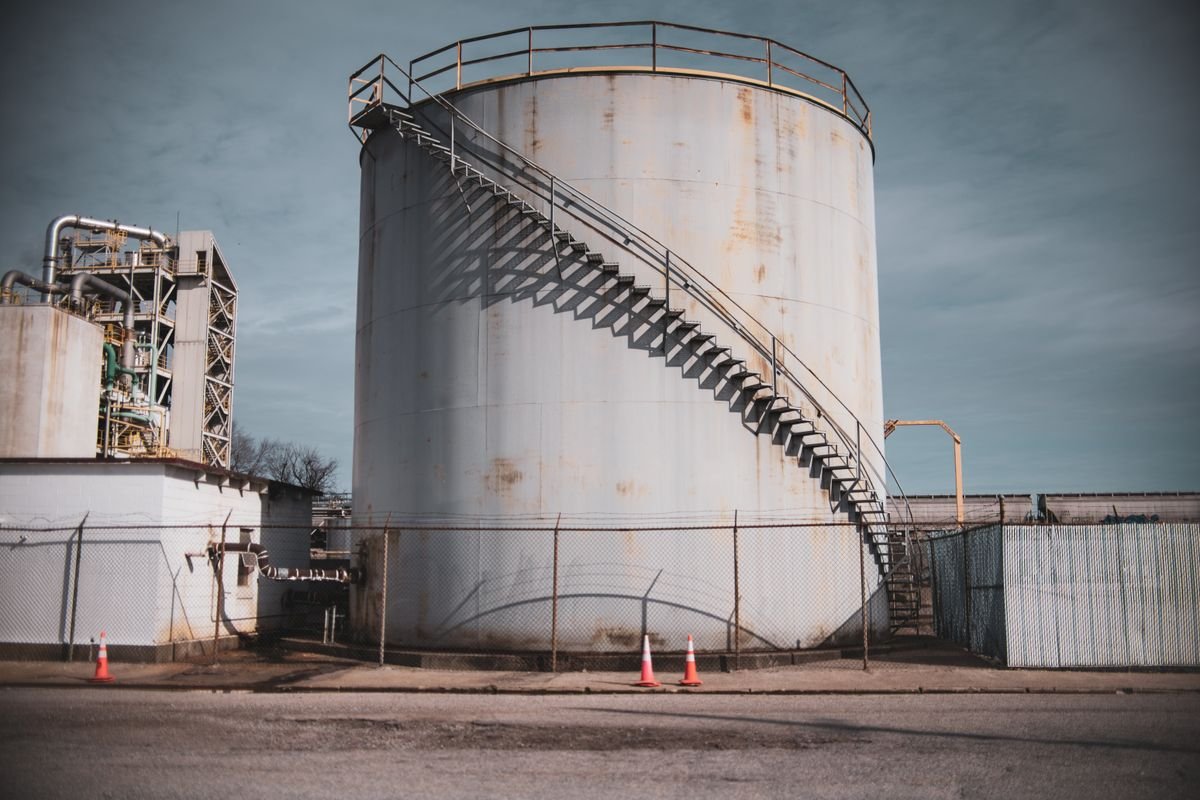
Remove contaminants from a process exhaust stream before discharge — a distinct duty from occupied-space protection.
Heat exchangers are sometimes procured by connection size or approximate capacity. A proper engineering selection begins with the thermal balance — heat source, inlet/outlet temperatures, flow, load, medium, pressure and water quality.
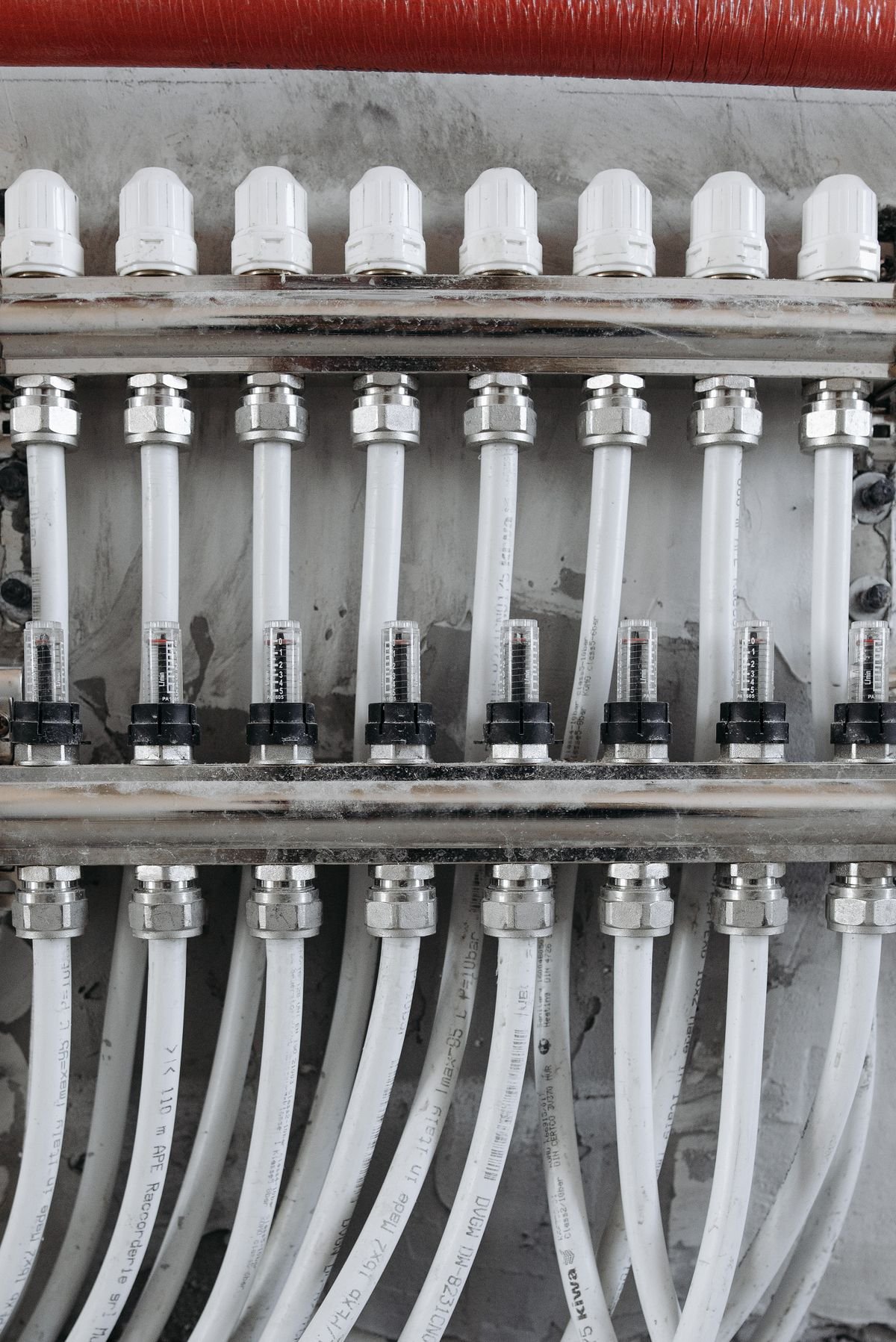
The correct material is not simply the strongest or most expensive one — it is the material that provides required compatibility at a reasonable lifecycle cost.
HVAC water systems depend on the interaction between pumps, pressure, expansion, flow, heat exchange, valves, water quality and control. The engineering objective is to protect the stability and efficiency of the complete water loop.
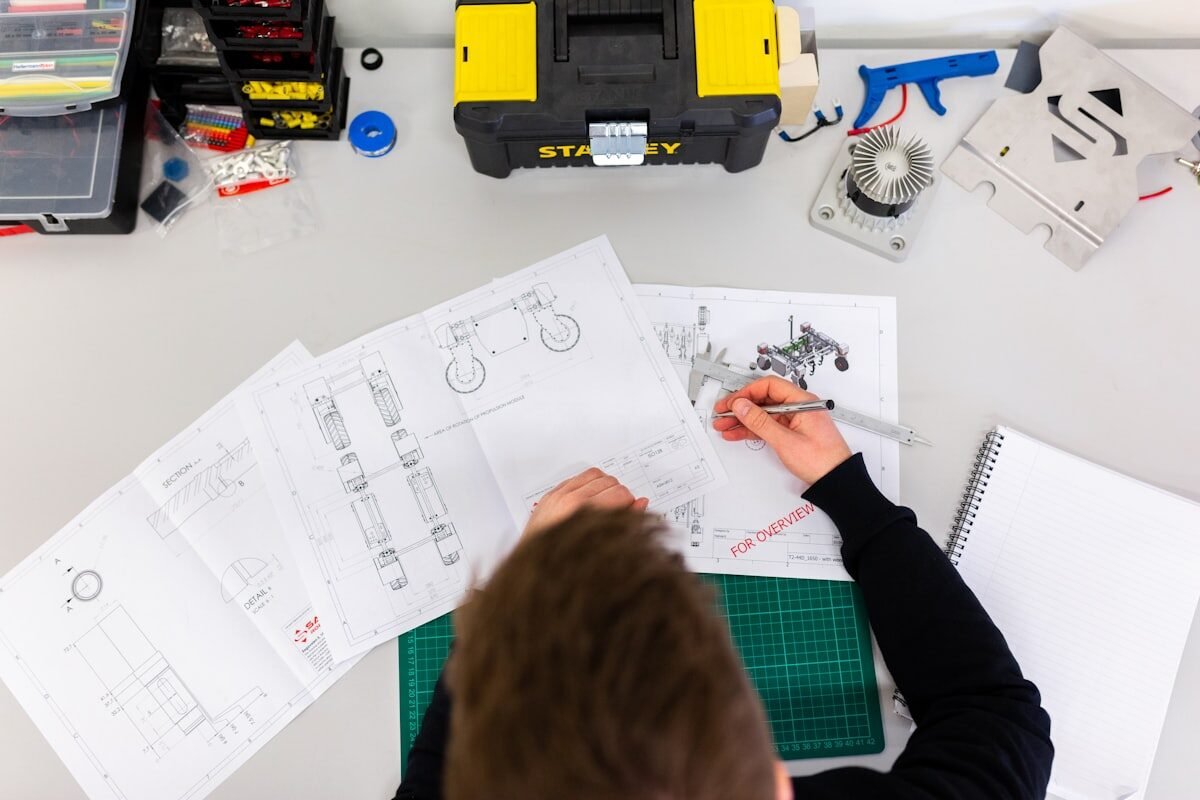
A valve does not simply open and close — it affects system flow, differential pressure, coil output, pump operation and terminal comfort. Control equipment must be selected with the sequence of operation in mind.

New construction starts from a drawing. Retrofit projects start from reality — fixed duct dimensions, limited ceiling space, non-standard filter frames, old valve footprints, existing control wiring and restricted shutdown windows.
The question becomes: how can we improve or replace the component without unnecessarily rebuilding the surrounding system? Interchangeable flange dimensions and compatible configurations can significantly reduce field work in retrofit projects.
A correct selection is only useful when the rest of the project team can verify it. Engineering support includes performance curves, dimensions, datasheets, schedules and installation drawings.
If measured airflow, resistance, noise, vibration or thermal performance differs from the intended design, the result can point to improvements in geometry, material, configuration, manufacturing tolerance, or selection guidance.
For YONGFAN, product development is most valuable when it addresses a practical operating problem — not a specification exercise.
Reducing unnecessary airside pressure loss can reduce fan energy.
Impeller, casing and system configuration optimized for occupied environments.
Removable, replaceable or serviceable components reduce lifecycle effort.
Multiple blade angles, motor speeds and materials cover more operating conditions.
Compatible dimensions and connection interfaces reduce site modification.
Corrosion-resistant or high-temperature configurations extend into demanding environments.
Too much customization increases complexity. Good engineering standardizes what can be standardized while changing only what the application genuinely requires.
For common applications — predictable lead time and replacement availability.
For frequently changing requirements — configured within a controlled platform.
Only where standard configurations cannot satisfy the application.
You do not need to know the final model before contacting YONGFAN. Start with the available design information for your product type.