Not every HVAC project should start from a completely custom product. And not every project can be solved by a fixed catalogue model.
Across selected product families, customization can include dimensions, materials, motors, filtration grades, control components, connection arrangements, accessories, branding and packaging. The objective is not to create unnecessary complexity — it is to make the product fit the project, or the partner’s market, without compromising technical clarity.

Customization should solve a technical or commercial requirement — not add complexity for its own sake. Four situations most often drive a genuine need to configure a product.
A retrofit project may have fixed duct dimensions, pipe connections, filter housings, ceiling space, equipment footprints, or electrical interfaces.
Changing the component is often easier than rebuilding the surrounding system.
A standard product may not fully match the required airflow, pressure, filtration grade, temperature, material, or thermal duty and control method.
The operating environment may require corrosion‑resistant materials, high‑temperature construction, explosion‑proof components, higher pressure ratings, or special sealing.
A distributor or regional partner may need private branding, consistent model structure, standardized packaging, documentation, or a repeatable configuration for its local market.
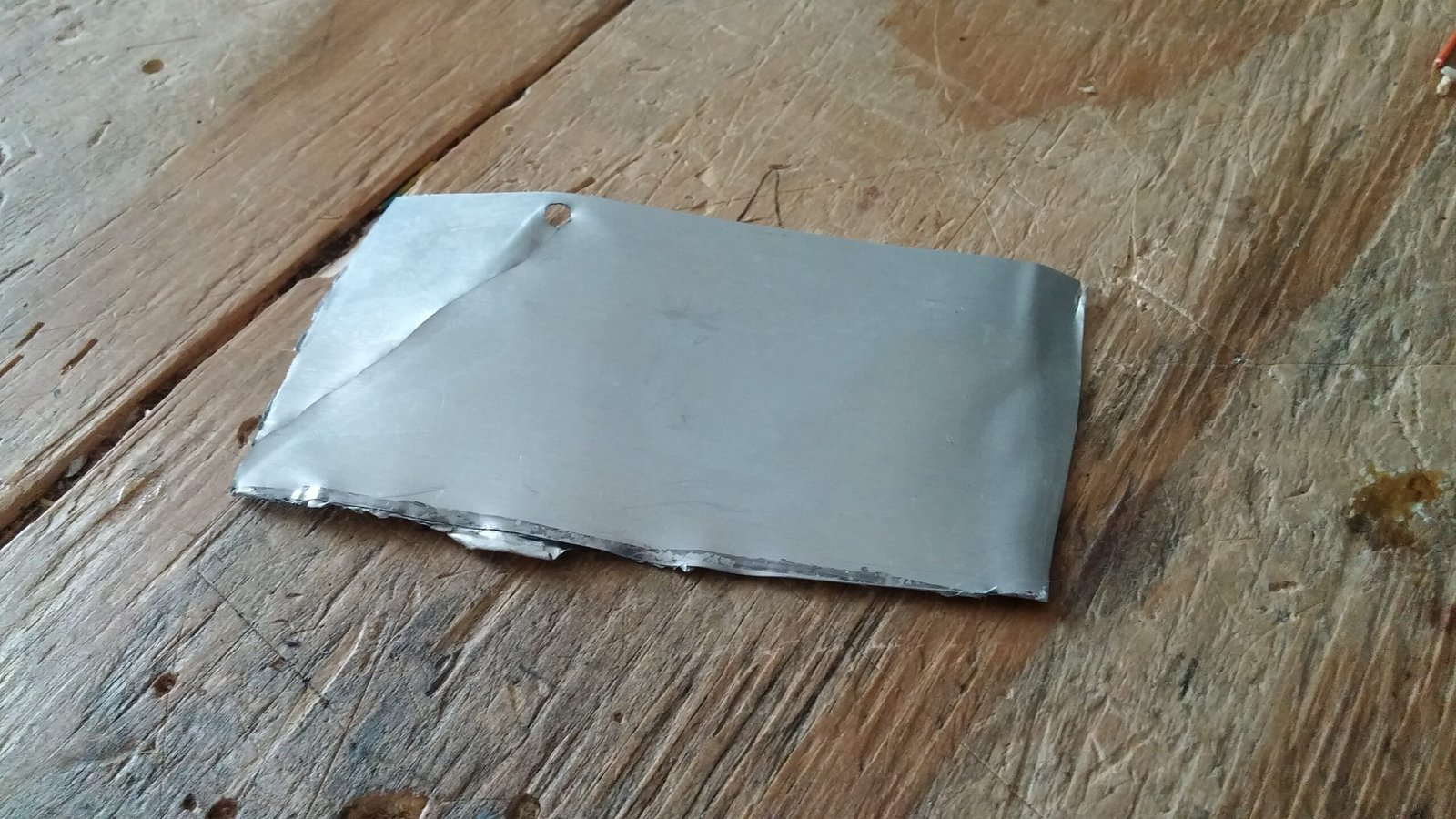
YONGFAN’s current filtration and fan ranges specifically support non‑standard dimensions, material options, motor variants and OEM branding across applicable product ranges.
There is no universal customization list that applies to every HVAC component. Different products offer different engineering options.
Depending on the filter type, customization can include dimensions, frame material, efficiency grade, sealing and mounting, and branding and packaging.
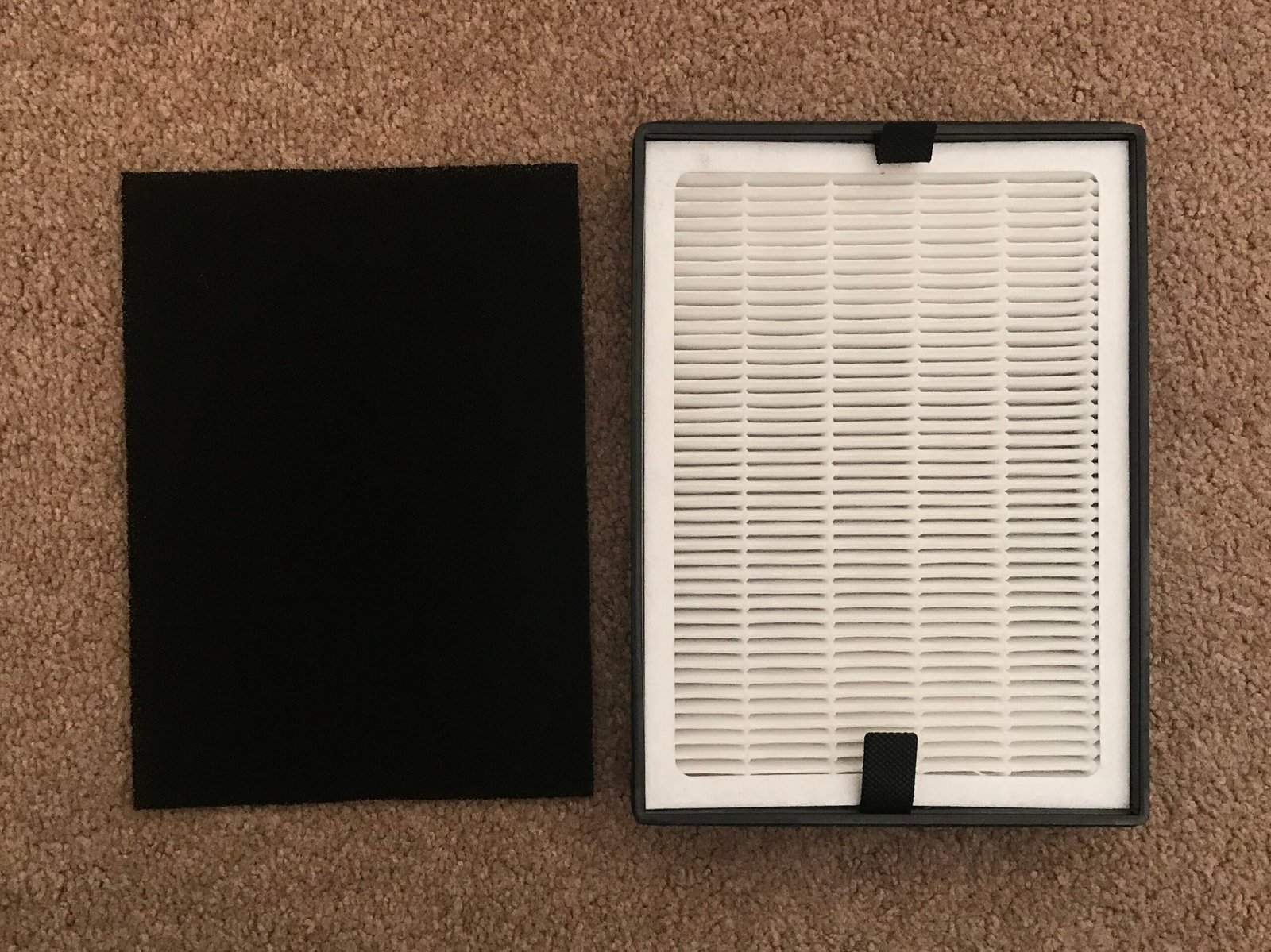
Non‑standard width, height and depth to fit existing AHUs, filter banks, cleanroom housings, or retrofit frames.
Galvanized steel, aluminum, cardboard, plastic, or other applicable frame constructions.
Selected according to filtration stage, target cleanliness, downstream protection, and pressure‑drop requirements.
Different gasket, sealing or mounting arrangements can be selected according to the installation.
Fan customization can be more complex because configuration affects performance.

Non‑standard or project‑specific sizes where the product architecture allows.
Different power or speed combinations based on airflow, pressure, electrical requirement, or installation condition.
Selected fan ranges can use different blade angles to move the duty point within the same basic platform.
Alternative materials for corrosive air, humidity, industrial exhaust, or special environments.
For suitable fan families and smoke‑exhaust duties.
For applicable Zone 1 / Zone 2 hazardous‑area applications.
Silencers, anti‑vibration components or other noise‑control accessories where available.
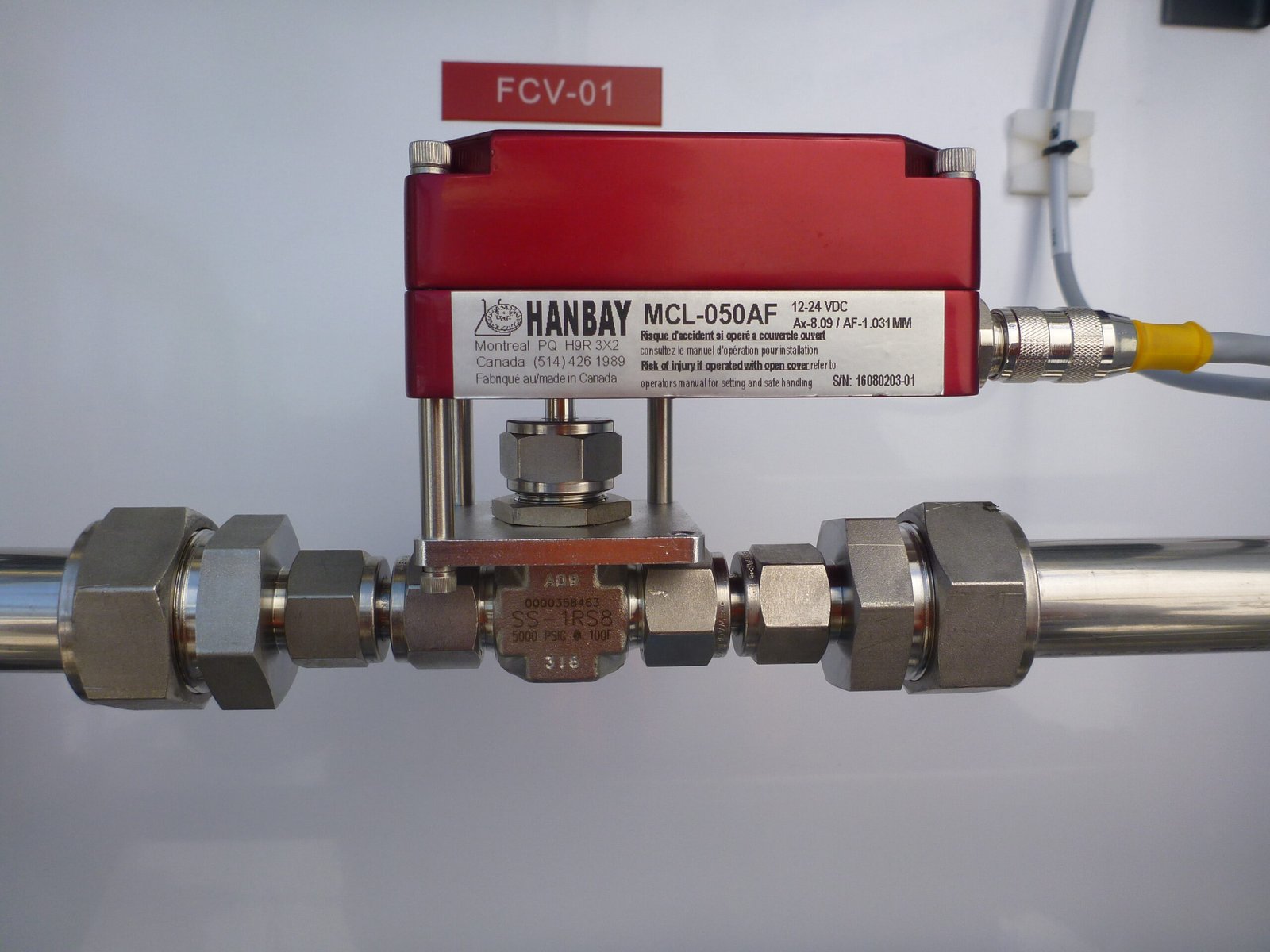
Airside components often need to match the geometry of the project. VAV terminals are a good example — a project may need different inlet diameters, reheat coils, multi‑outlet plenums, compact construction, or specific actuator and control options.
Customization is particularly important in heat exchange because performance depends heavily on operating conditions.
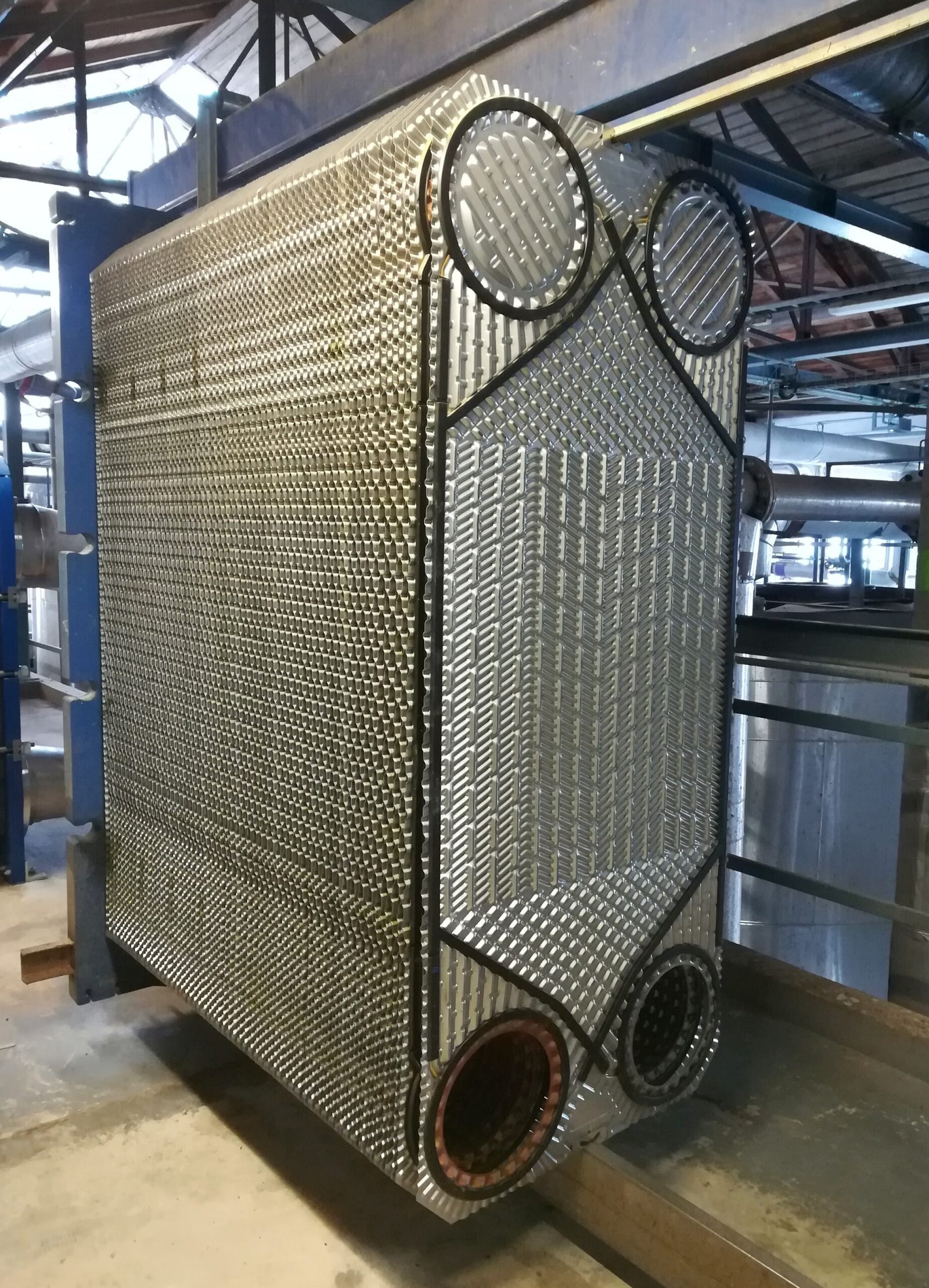
Depending on medium and water quality:
Selected according to the operating pressure of the system.
Based on heat source, inlet and outlet temperatures, flow, and required duty.
Nozzle and connection schedules coordinated with project drawings.
Packaged Configuration: for skid or packaged heat‑exchange systems, pumps, valves, controls and other components can be arranged according to the required system.
Hydronic equipment often needs to match the system rather than a fixed catalogue arrangement. For plant‑room projects, the goal is usually to reduce unnecessary field integration.

Controls can be customized through configuration rather than physical redesign. For retrofit projects, interface compatibility can be especially important.
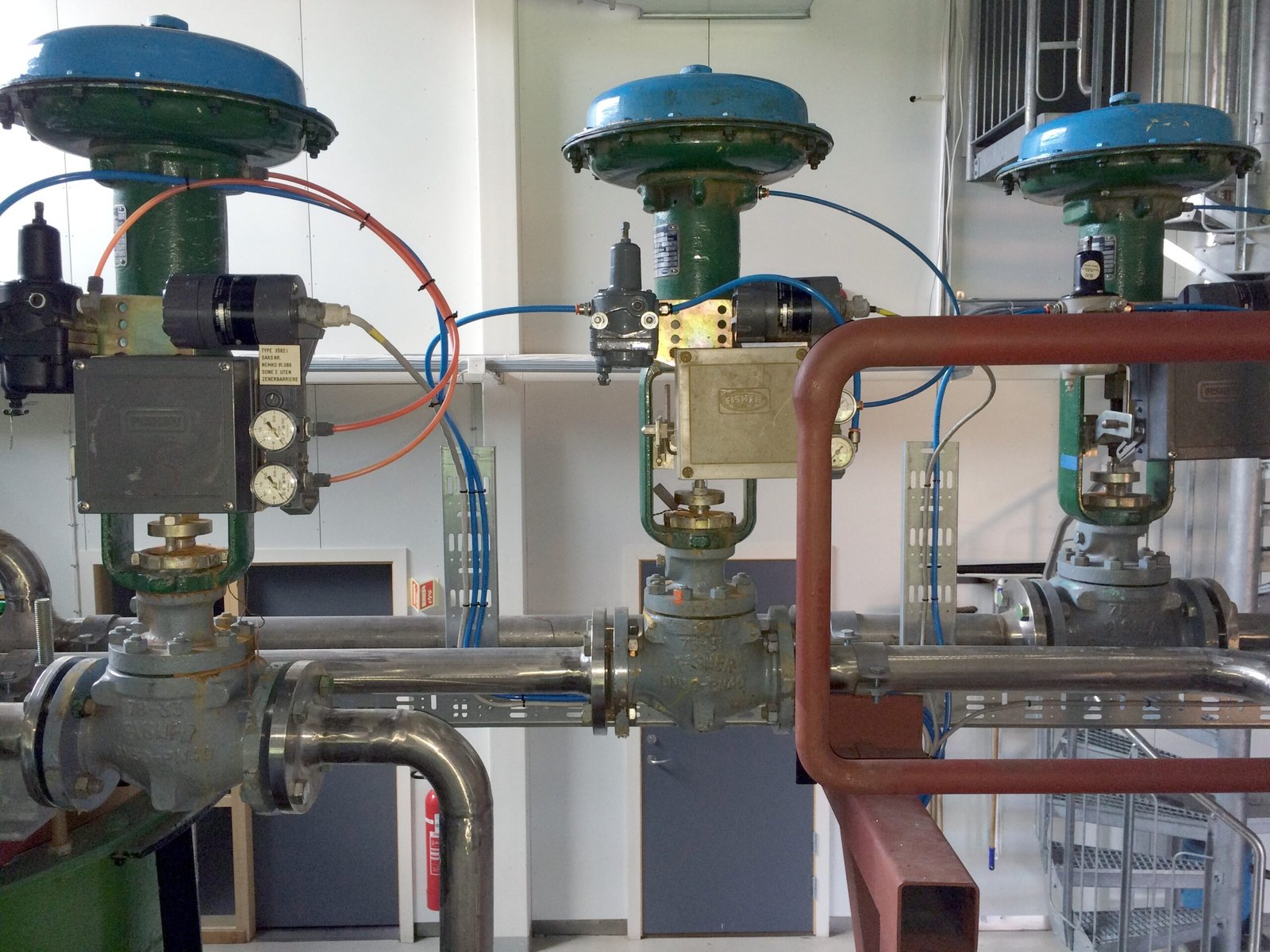
OEM cooperation is different from one project‑specific custom order. A successful OEM program needs consistency — the partner must know what the standard product is, which options are fixed, which options can change, how the model is identified, how it will be labeled, and how repeat orders will remain consistent.
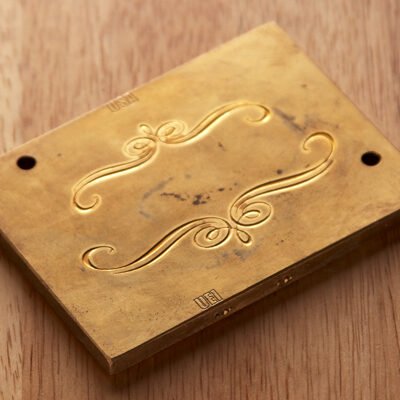
Defining the base product platform.
Agreeing on materials, dimensions, performance, accessories, and configuration.
OEM nameplate, label or packaging.
Technical data prepared around the agreed configuration.
Repeat Supply: maintaining a stable product specification for future orders — particularly useful for regional distributors, HVAC brands, system integrators, and private‑label partners.
The product specification comes first. The technical platform should be defined before branding.
A weak OEM program starts with: “Can you print our brand on it?”
A professional OEM program starts with: “What product are we agreeing to supply repeatedly?”
Airflow, pressure, efficiency, thermal duty or flow.
Frame, casing, heat‑transfer material or valve body.
Motor, voltage, actuator and control.
Standard or agreed custom sizes.
Accessories and application‑specific variants.
Datasheets, drawings, labels and packaging information.
Only after these points are defined should branding be finalized.
Not every requested change is technically sensible. One of the most important parts of custom engineering is knowing when not to change something.
Increasing a fan motor does not automatically increase useful airflow if the impeller and casing are not suitable.
Changing a filter depth may alter resistance and airflow distribution.
Using a different heat‑exchanger material may require changes to fabrication or gasket compatibility.
Changing a valve actuator may affect the control sequence.
Reducing equipment dimensions may compromise access or maintenance.
If a requested modification creates an unacceptable technical compromise, the better solution may be to select a different product platform.
A clear process helps prevent misunderstanding later in the order.
Provide as much information as possible:
YONGFAN reviews whether a standard model already fits, whether an option can solve the requirement, or whether true customization is necessary — helping avoid unnecessary redesign.
The proposed solution defines the relevant items: model, size, material, motor, control, accessories, and expected performance.
For custom products, drawings or configuration information should be confirmed before production — becoming the reference for manufacturing, inspection, and final acceptance.
For suitable OEM programs or new configurations, a sample or initial production unit may be used to verify fit, appearance, packaging, or functional requirements. Whether this step is necessary depends on the product and project.
After the specification is confirmed, production follows the approved configuration.
The customized product is checked against the approved drawing, confirmed specification, and applicable product requirements.
For OEM programs, the confirmed configuration can become the reference for future production — helping reduce variation between batches.
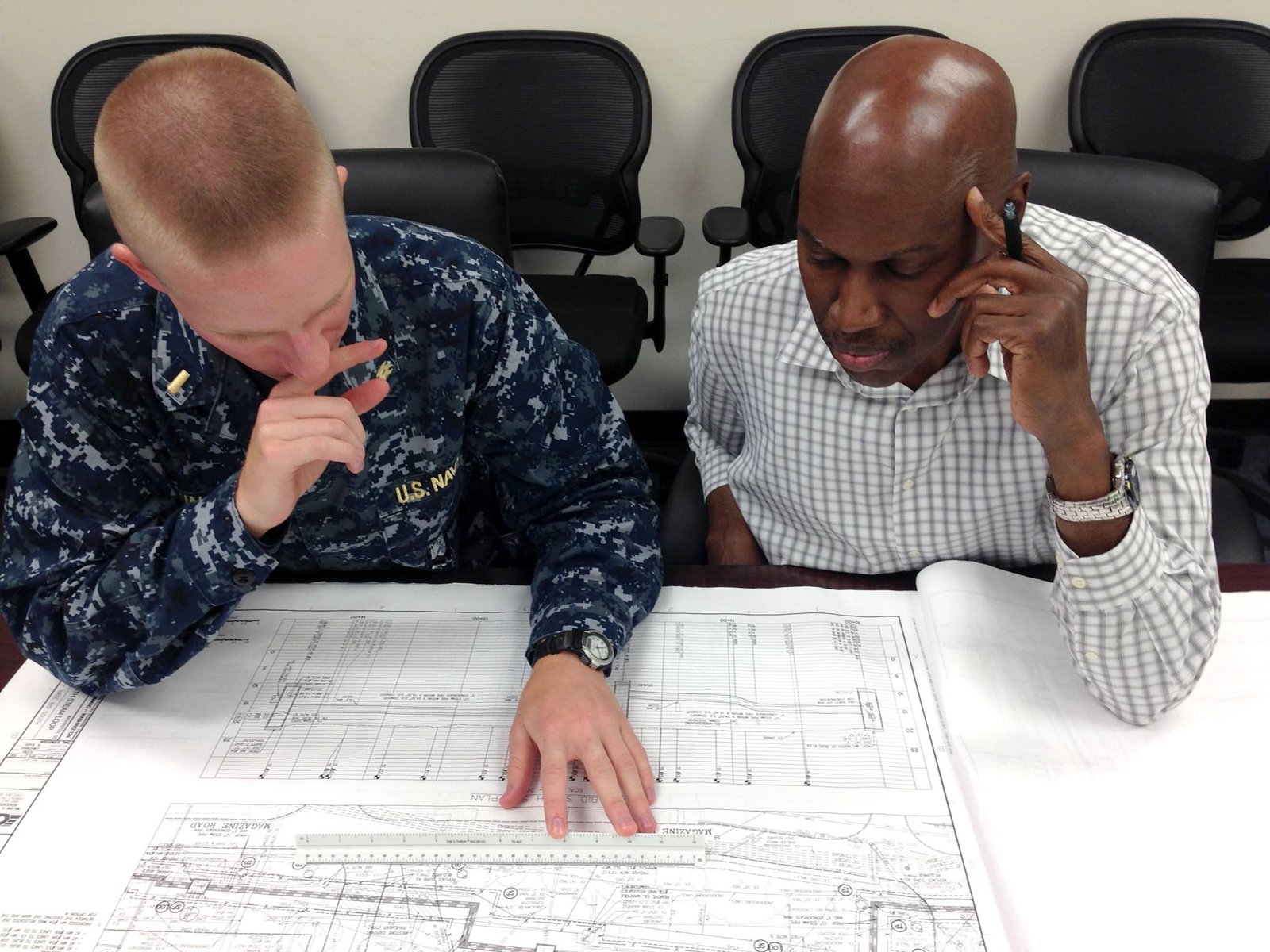
The more complete the input, the faster the evaluation. For a useful first review, send:
What product do you need?
Where and how will it operate?
Airflow, pressure, capacity, filtration grade, flow or other relevant data.
Standard size or required custom dimensions.
Required material, if specified.
Voltage, frequency, control or motor information.
Prototype, project order or ongoing OEM volume.
Country and any known compliance requirements.
Logo, label, packaging or model‑number requirements.
Existing product drawings or project drawings if available.
Replacing existing HVAC components can be difficult because openings are fixed, pipework is already installed, shutdown periods are short, and space is limited. In these situations, customization may focus on interface compatibility.
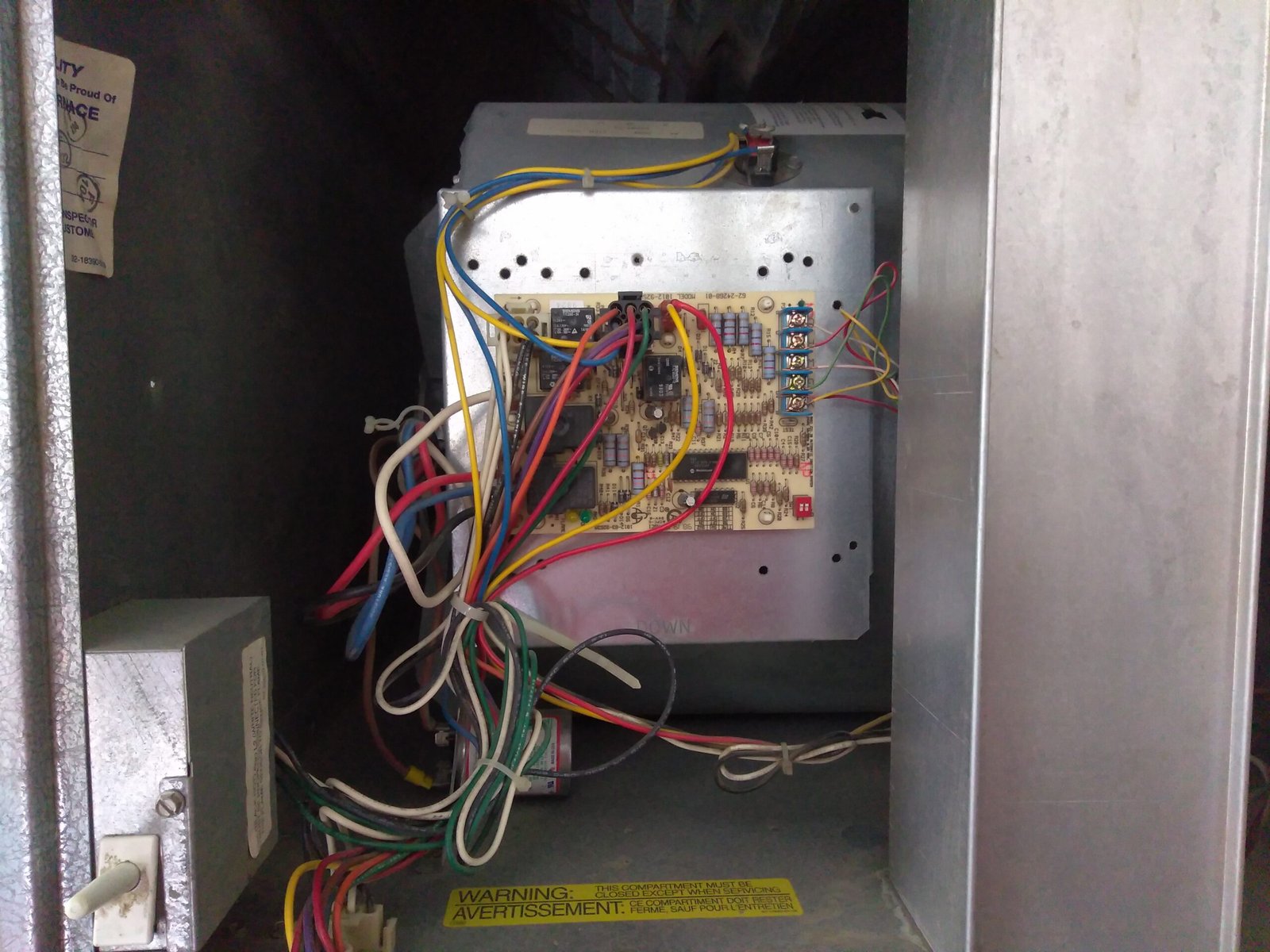
Where suitable, the objective is to reduce cutting, welding, duct modification and commissioning work on site.
Customized products cannot be inspected only against a standard catalogue. They should be inspected against the confirmed custom configuration.
Confirm that production follows the agreed product definition.
Verify critical installation dimensions.
Confirm motor, filter grade, material, actuator or accessories.
Apply the relevant test according to the product family.
Confirm labels, nameplates, packaging, and visible branding.
Ensure the supplied documentation matches the actual product.
This helps ensure that OEM customization does not reduce manufacturing consistency.
For repeat OEM business, product consistency is more important than making frequent small changes.
Once a configuration is approved, any meaningful change to material, motor, dimensions, supplier component, control configuration, or performance, should be reviewed before it is introduced into repeat production.
This principle reduces the risk of a product gradually changing over time without the customer’s knowledge.
Some partnerships begin with one customized project. If the product proves suitable, it can develop into a standard regional model, a distributor stock item, a private‑label product, or a broader OEM product family.
Air Filters
Heat Exchangers
The value of this approach is not simply buying more products from one supplier. It is building a more coordinated product platform around a defined specification.
The framework behind every configuration decision we make.
Use a proven standard product where it already meets the requirement.
Every change should solve a real technical or commercial need.
Dimensions, materials, performance and branding should be agreed before manufacturing.
Customization does not replace product‑specific quality control.
An approved OEM configuration should remain controlled over time.
You do not need to prepare a perfect specification before contacting YONGFAN. You can send a drawing, a photo of the existing product, an equipment schedule, a datasheet, a required duty point, a target specification, or an OEM product concept.