YONGFAN HVAC - Premium Header
Engineered HVAC & Industrial Air Systems
YONGFAN HVACYOFAN HVAC Home
Home  /  Company  /  About YONGFAN
01 / About YONGFAN

HVAC Components That Make the System Work

YONGFAN is an HVAC system component and auxiliary-equipment supplier serving commercial, industrial and infrastructure projects.

Our focus is not the main HVAC plant itself. We work on the components around it — the equipment responsible for moving air, controlling airflow, filtering particles and gases, transferring heat, stabilizing water systems and regulating HVAC operation.

Help turn an HVAC design into a workable system of correctly selected components.
Air FiltrationVentilation FansFan Boxes Dampers & Air DistributionChemical Filtration Heat ExchangeHydronic Plant-RoomWater Treatment Valves & Controls
02 / Who We Are

A Specialist in HVAC Components & Auxiliary Equipment

YONGFAN M&E has developed around the supply and integration of HVAC accessories and control solutions for commercial and industrial applications.

The company’s established product scope includes fans, air diffusers and grilles, dampers, air filters, valves, sensors, actuators, controllers and integrated HVAC control components — used across offices, hospitals, data centers, factories, cleanrooms and infrastructure facilities.

As the product portfolio has expanded, the same engineering logic now extends into specialist areas:

  • Gas-phase & chemical filtration
  • Fire & smoke-exhaust ventilation
  • Tunnel & underground ventilation
  • Heat exchange
  • Pressurization & expansion systems
  • HVAC water treatment
  • Hydronic distribution
  • Specialized control valves
Engineer reviewing HVAC component specifications in an industrial facility
The result is not a longer catalogue — it is a broader ability to work across the airside, waterside and control side of HVAC projects.
03 / Our Focus

The Equipment Between the Main Unit and the Finished System

Large HVAC equipment receives most of the attention during early project design, but the system only performs correctly when the supporting components are selected correctly as well. The fan must overcome real duct resistance. The filter must achieve required air quality without excess pressure demand. The damper must provide intended airflow control. The heat exchanger must deliver the required load at actual temperatures. YONGFAN works in this part of the system — which is why our business is defined around three disciplines.
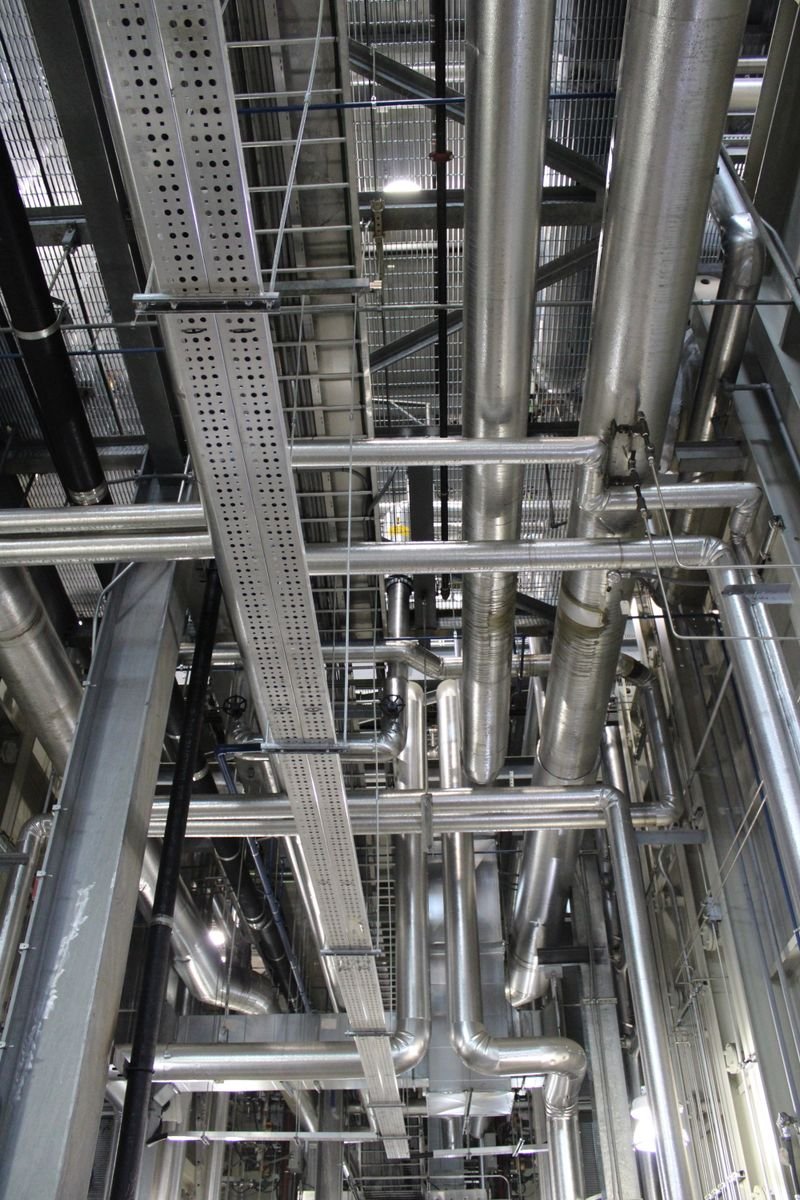
Steel ventilation ductwork representing airside HVAC systems
01

Air

  • Ventilation
  • Smoke exhaust
  • Air filtration
  • Gas-phase filtration
  • Air distribution
  • VAV control
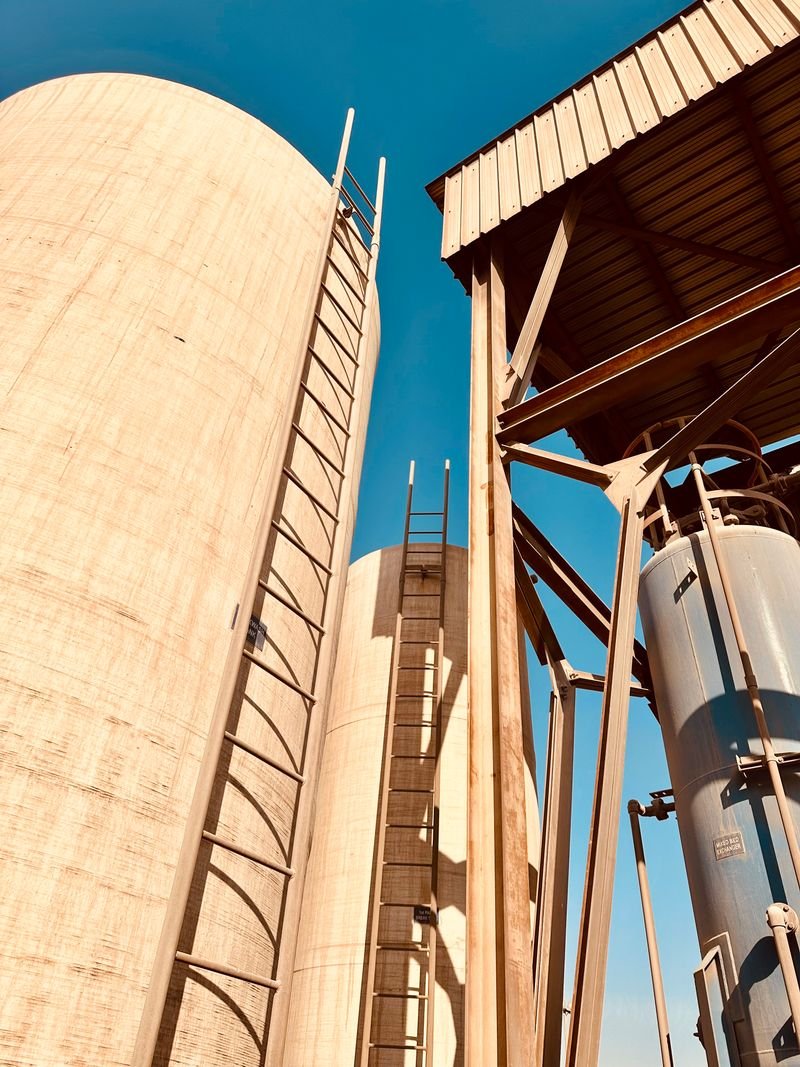
Industrial water treatment tanks representing waterside HVAC systems
02

Water

  • Heat exchange
  • Pressurization & expansion
  • Water supply
  • Hydronic distribution
  • Condensate recovery
  • Water treatment
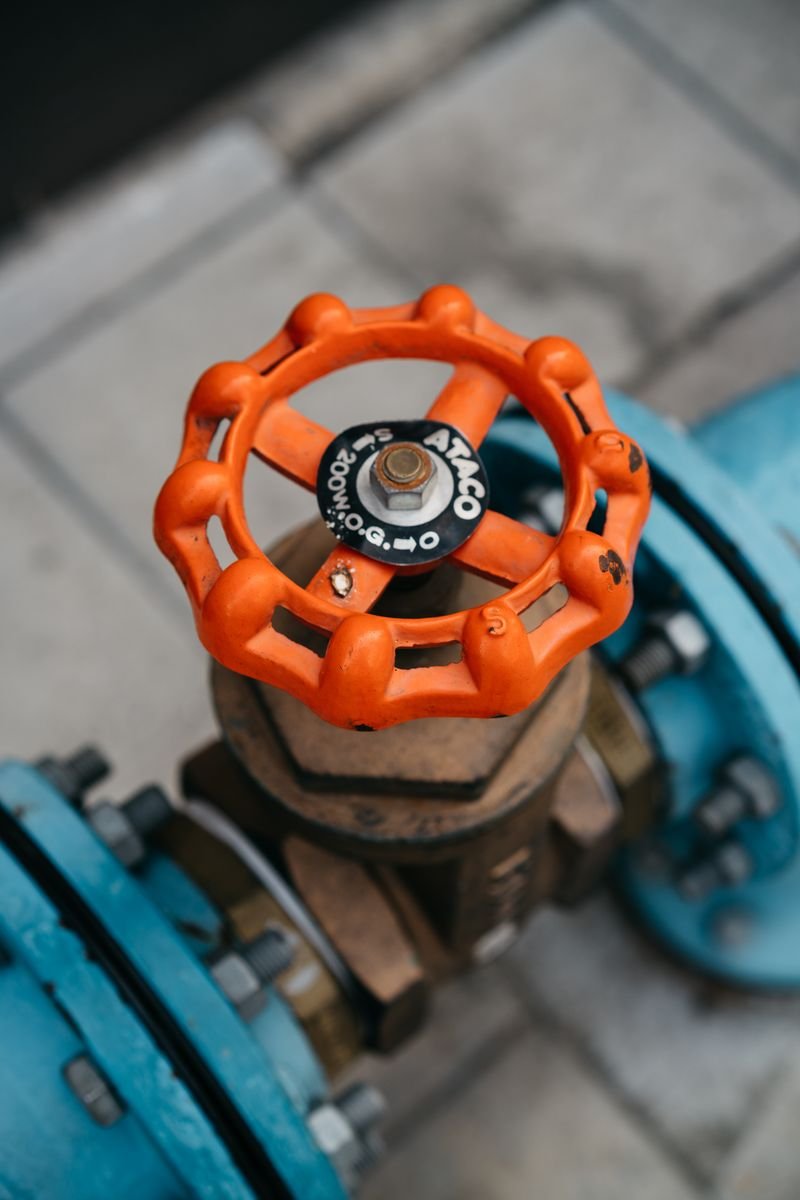
Industrial control valve on pipeline representing HVAC control systems
03

Control

  • Thermostats
  • Actuators
  • Motorized valves
  • Balancing
  • Hydraulic control
  • Supporting components
This Air + Water + Control structure forms the core of the YONGFAN product platform.
04 / How We Approach a Project

The Model Number Comes After the Operating Requirement

A common problem in HVAC procurement is starting the conversation with “What model do you have?” For engineered components, that is often the wrong first question.

Two fans with the same connection diameter can behave very differently at different static pressures. Our preferred starting point is therefore the duty condition.
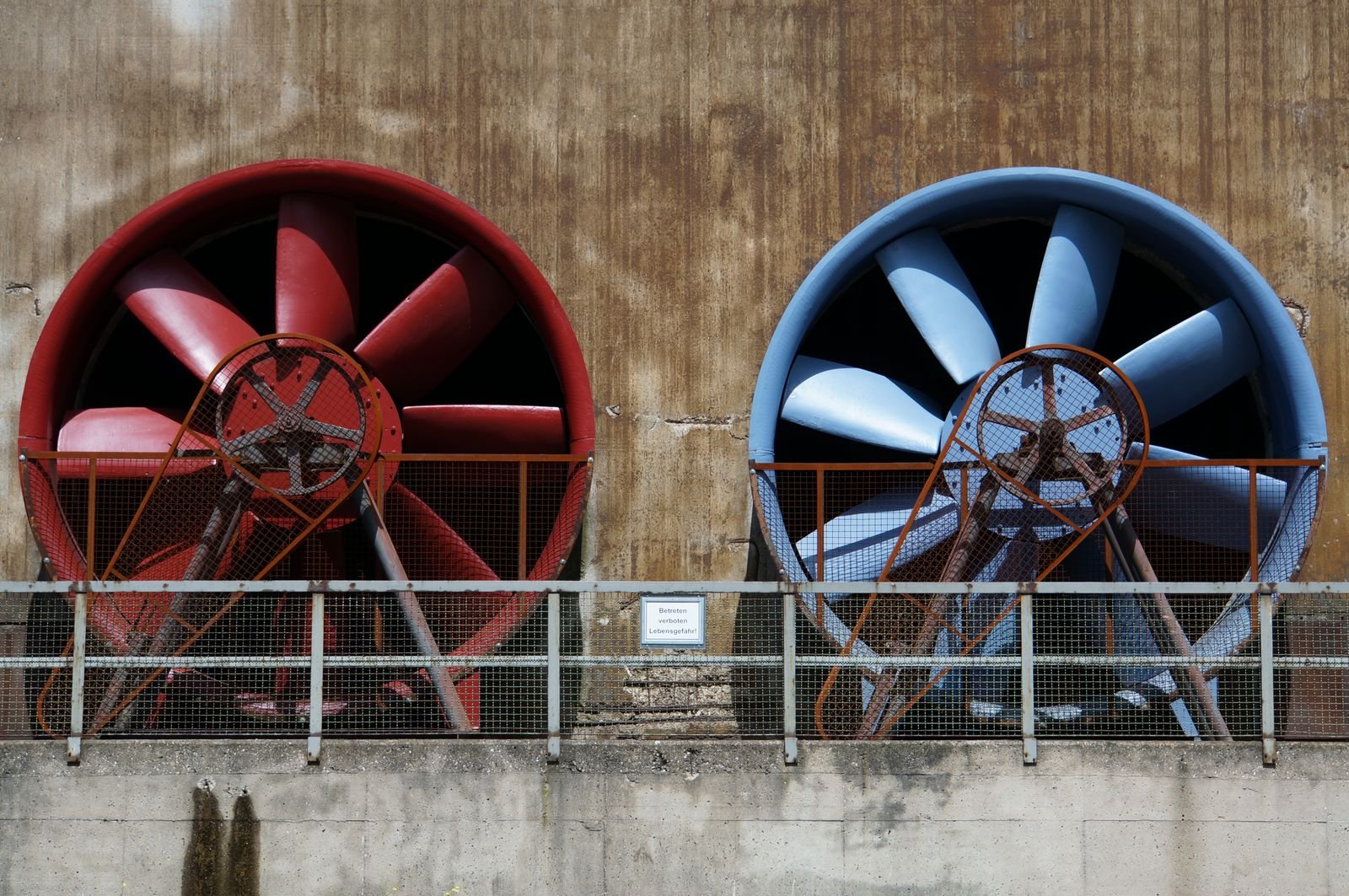
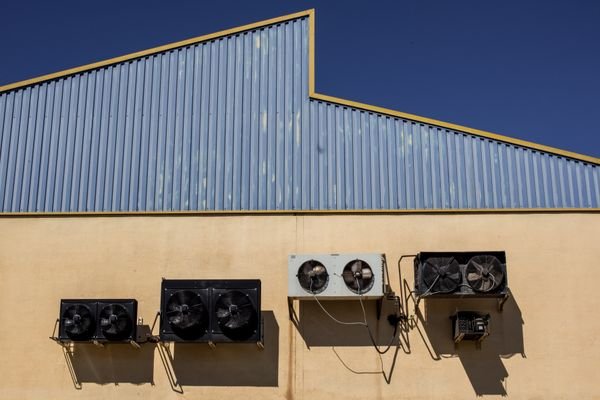
Industrial exhaust fans mounted on wall

Fan documentation provided for YONGFAN repeatedly specifies selection against actual airflow, pressure and duty conditions rather than model size alone.
AirflowStatic / Total PressureTemperature Noise RequirementInstallation MethodNormal / Smoke / Hazardous-Area Duty
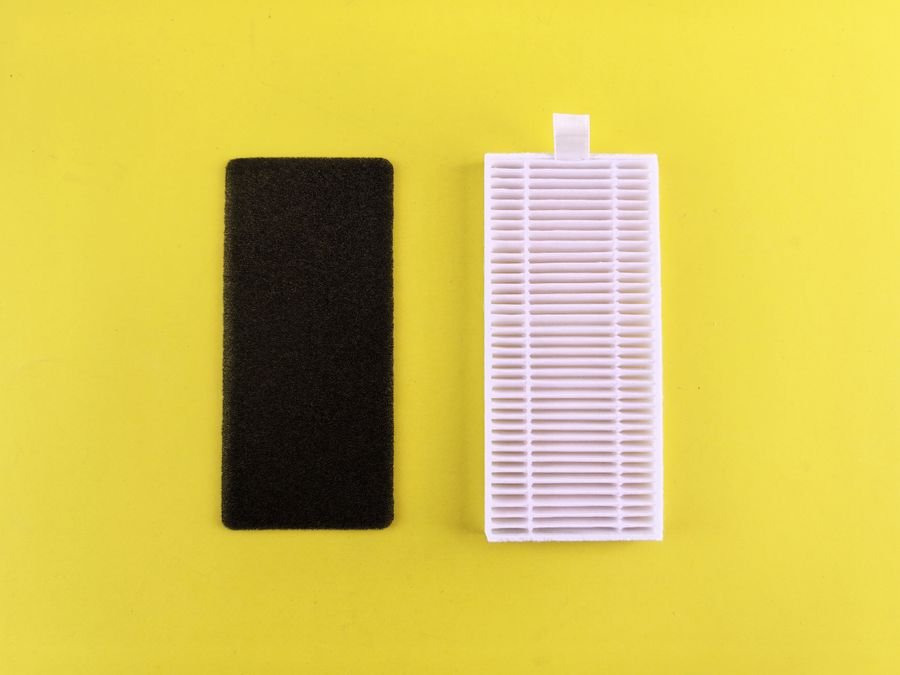
Air filter media close-up for filtration selection

YONGFAN filter selection support explicitly includes efficiency grade, filter size and resistance sizing to match AHU or cleanroom requirements.
Filtration StageEfficiency ClassRated Airflow Allowable Initial ResistanceInstallation DimensionsDownstream Filtration
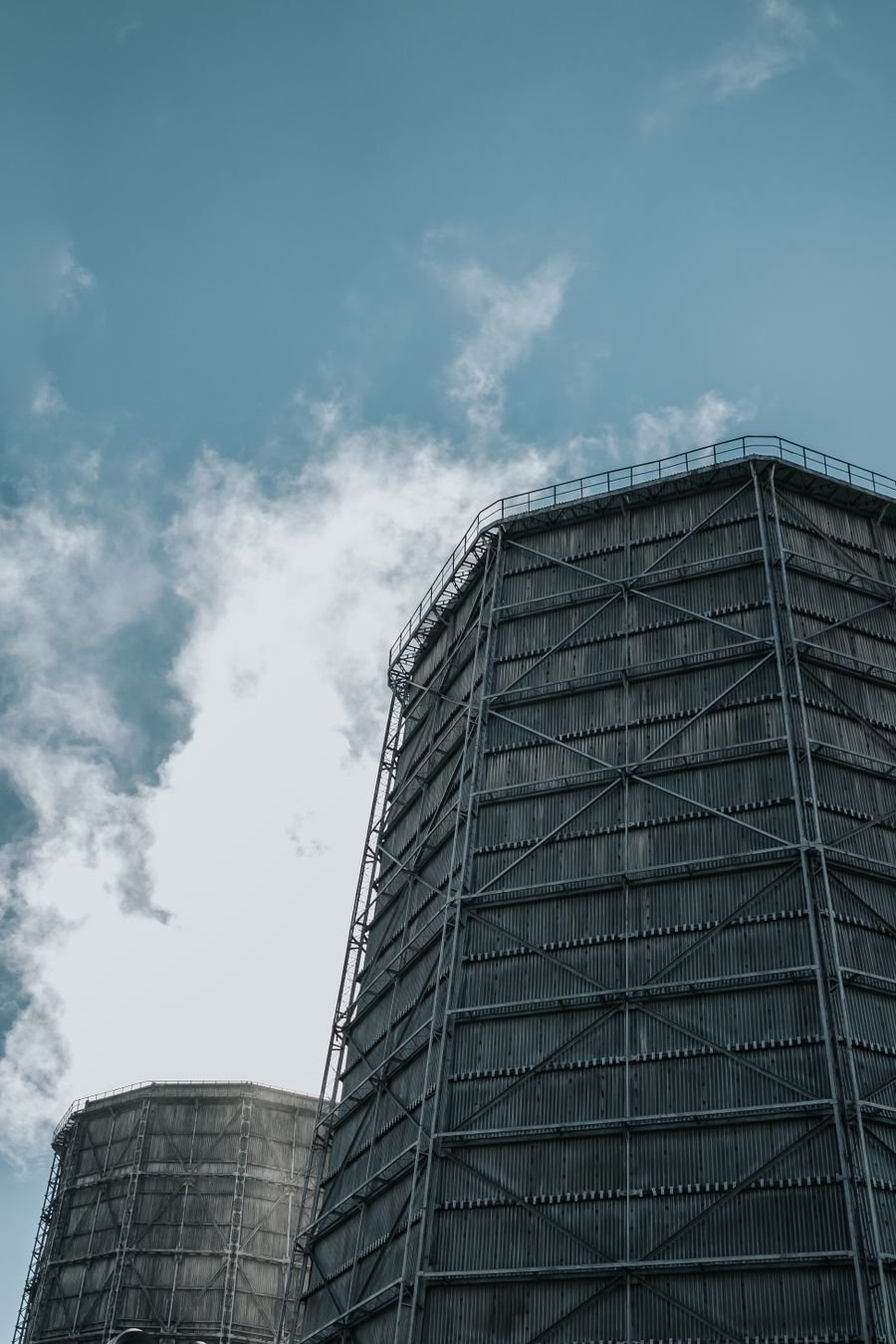
Industrial cooling towers representing heat exchange duty calculation

The heat-exchange range is selected by duty calculation, with material and pressure class chosen according to the actual medium and water conditions.
Heat SourcePrimary / Secondary TemperatureRequired Capacity Flow RateMediumPressure ClassWater Quality
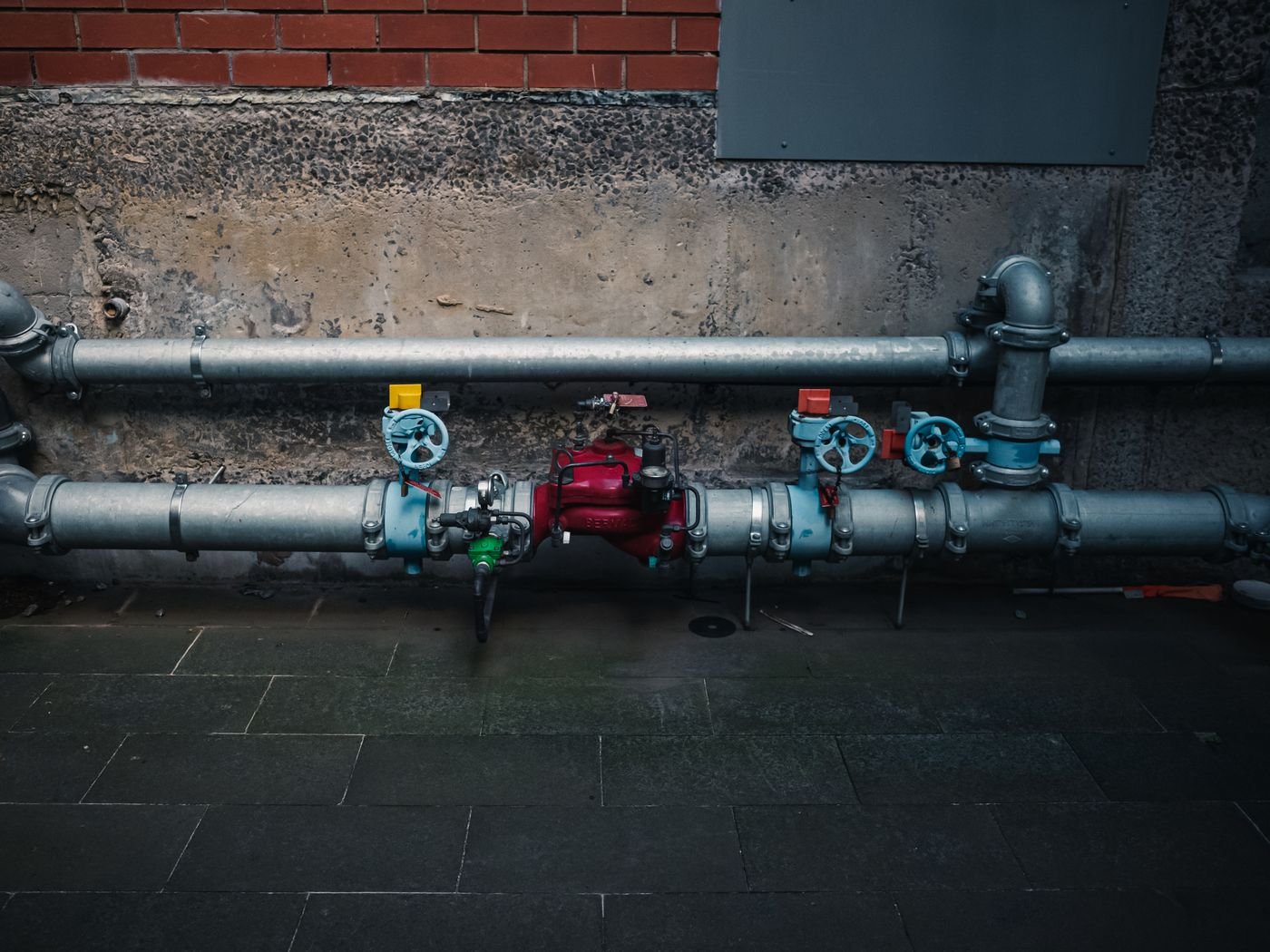
Industrial pipes with control valves for HVAC systems

The objective is straightforward: choose a component that works in the real system — not just one that fits the drawing.

FunctionFlowPressure Control MethodPower SupplyActuator InterfaceSystem Compatibility
05 / One Portfolio, Different Disciplines

We Do Not Treat Every Product the Same

A broad HVAC-component portfolio only makes sense if each product family is handled according to the engineering characteristics that matter to it.
Air filtration equipment installed on industrial building wall

Air Filtration

Important variables include media grade, filtration efficiency, initial resistance, frame accuracy, sealing and downstream protection. Production documentation describes media and frame inspection, controlled pleat and separator geometry, resistance and efficiency testing, HEPA/ULPA leak testing where applicable, and final product traceability.
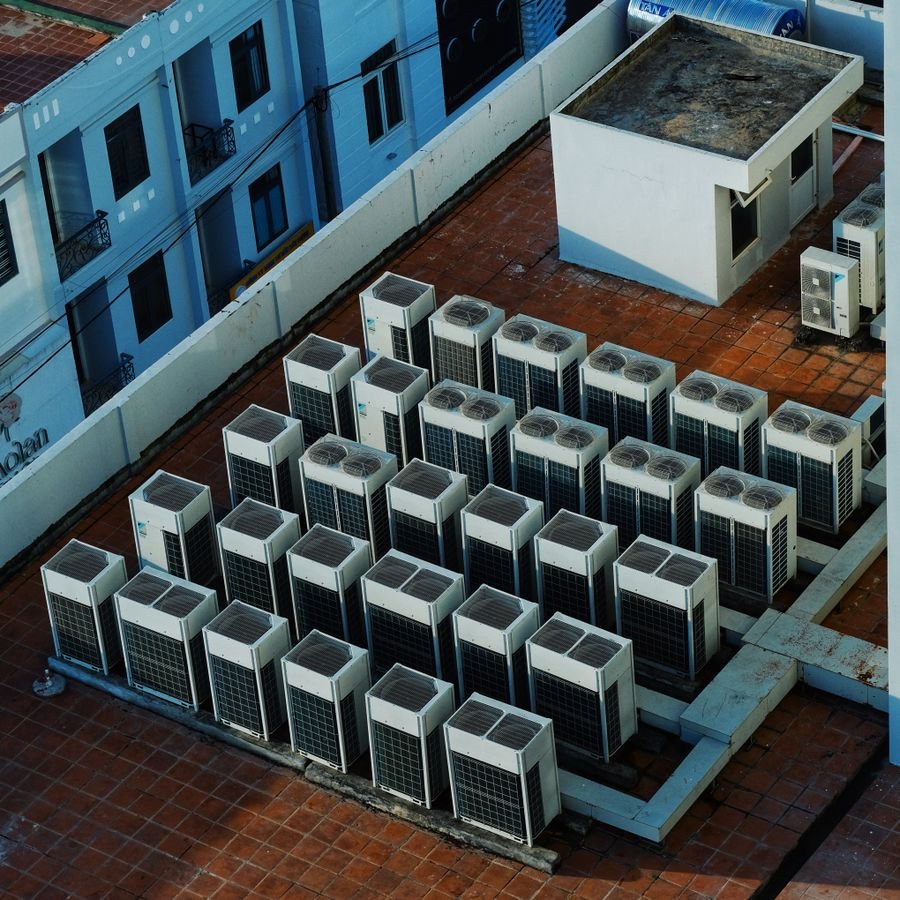
Rooftop ventilation fans requiring aerodynamic accuracy

Ventilation Equipment

Fans depend on aerodynamic geometry and rotating accuracy. Impellers are dynamically balanced, while finished fan equipment is run-tested for airflow, pressure, electrical operation and vibration before release.
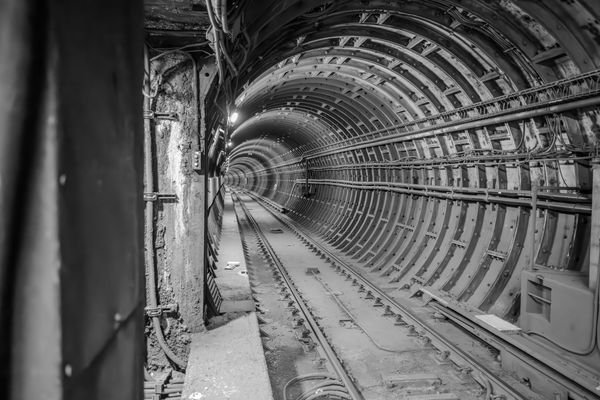
Underground tunnel requiring jet fan ventilation calculation

Tunnel Ventilation

Tunnel jet fans require another level of project calculation. Selection can depend on tunnel dimensions, traffic, CO/NOx limits, emergency smoke strategy and effective installed thrust — not only nominal airflow. SDS documentation supports selection against tunnel pressure-drop and thrust calculations.
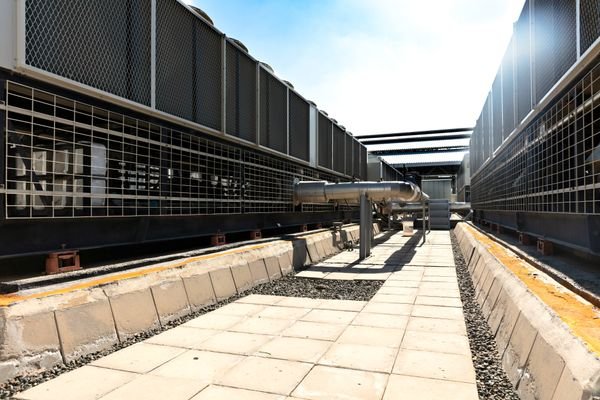
Industrial heat exchange piping system

Heat Exchange Equipment

Here the engineering emphasis shifts to thermal calculation, pressure containment, materials, leakage protection and maintainability. Documentation references GB150 / GB151 design and inspection, pressure testing and material selection according to the medium.

There is no single definition of “quality” that applies equally to every HVAC component.
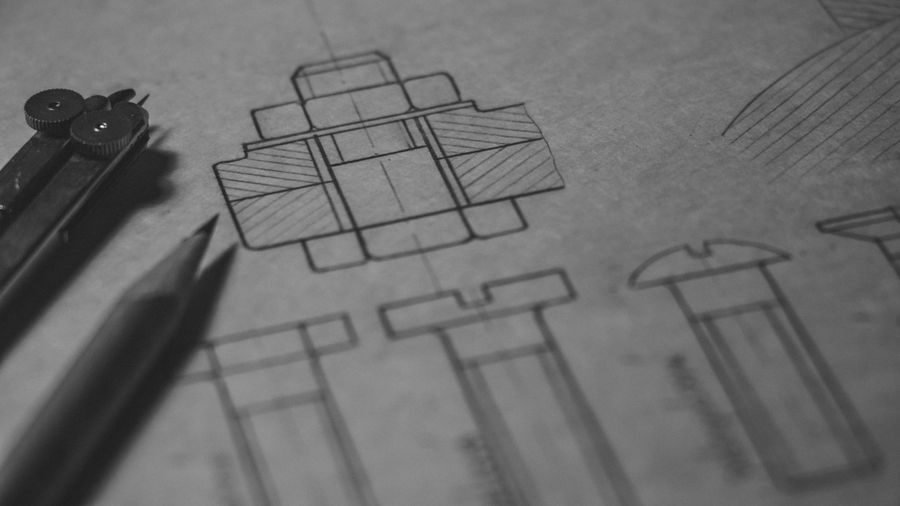
Engineering blueprint used for project-specific product configuration
06 / From Standard to Configuration

Not Every Project Fits a Standard Catalogue Table

Standardized products simplify selection, production and replacement. But real projects frequently introduce constraints that a catalogue cannot anticipate:

  • An existing air-handling unit may require a non-standard filter size.
  • A fan may need a specific material, motor rating or explosion-proof configuration.
  • A cleanroom ceiling may restrict the depth of the terminal filtration unit.
  • A heat exchanger may require stainless steel, titanium or another material because of the process medium.
  • A distributor may need an established product platform supplied under its own brand.

Dimensions

Non-standard sizes to fit existing equipment or project drawings.

Materials

Alternative frame, casing, heat-transfer or corrosion-resistant materials.

Performance

Filter grade, motor rating, blade angle, pressure class or thermal duty.

Controls

Actuator, thermostat and control arrangements according to the system.

The purpose of customization is not to make every order unique — it is to solve the points where a standard product would create extra work, unsuitable materials or performance compromises on site.
07 / Who We Support

Built Around Professional HVAC Procurement

Engineers and contractors discussing HVAC project requirements on site
01

HVAC Contractors

Product selection, dimensions, technical documentation, configuration confirmation and shipment coordination — without avoidable questions on site.

02

System Integrators

Discuss the interfaces between fans, filtration, dampers, hydronic equipment and controls rather than viewing each component in isolation.

03

Engineering & Consultants

Help translate a specification or duty point into a product range that can be reviewed against project requirements.

04

Distributors & OEM

Repeatable specifications, alternative branding, standard packaging and a stable configuration suitable for a local market.

05

Industrial End Users

Replacement components, filter media, spare parts, operating conditions and retrofit constraints as part of selection.

08 / The Markets We Serve

From Commercial HVAC to Demanding Industrial Environments

Modern commercial office building exterior
01

Commercial Buildings

Ventilation fans, VAV terminals, dampers, heat exchange, hydronic equipment, valves and terminal controls.

Modern hospital corridor
02

Hospitals & Healthcare

Air filtration, ventilation and controls where reliability and air quality matter.
Pharmaceutical cleanroom workers in sterile manufacturing facility
03

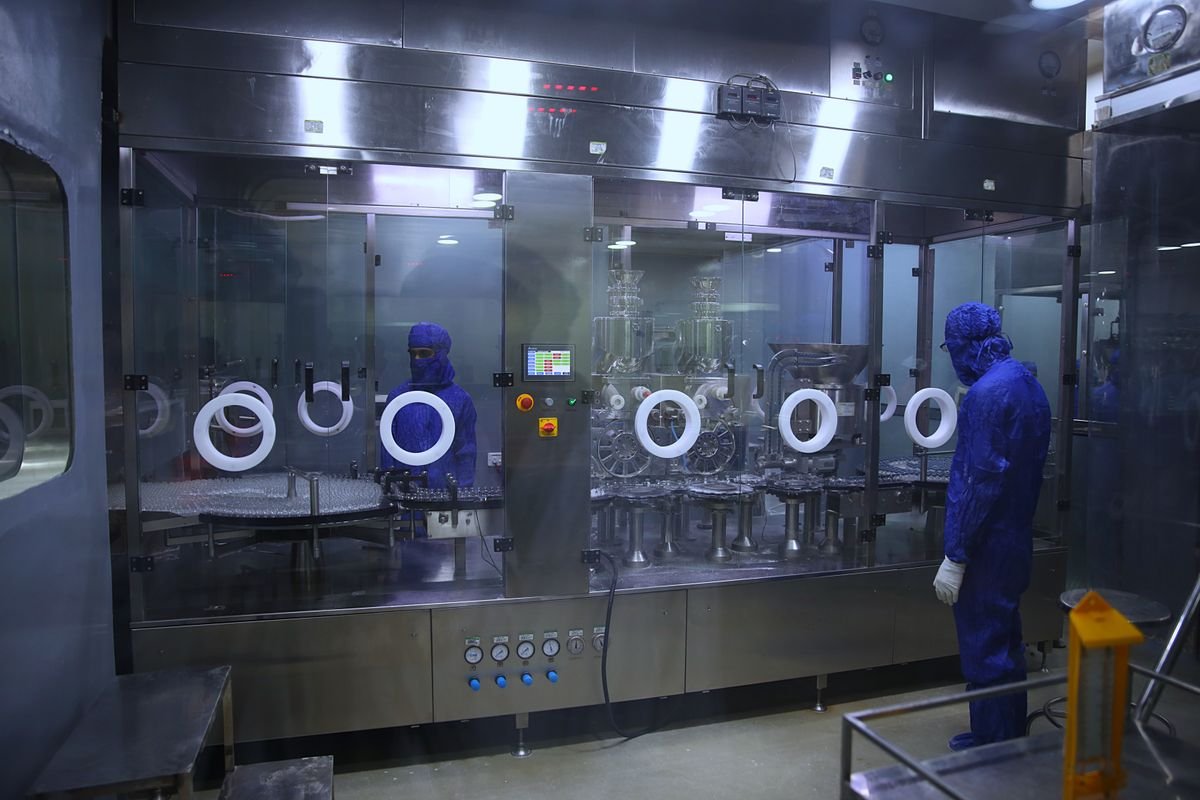
Cleanrooms & Pharma

Multi-stage filtration, HEPA/ULPA equipment, FFUs and controlled air distribution.

Blue server rack in a data center
04

Data Centers

Particulate and gas-phase filtration for sensitive electronic environments.
Industrial factory pipes and structures
05

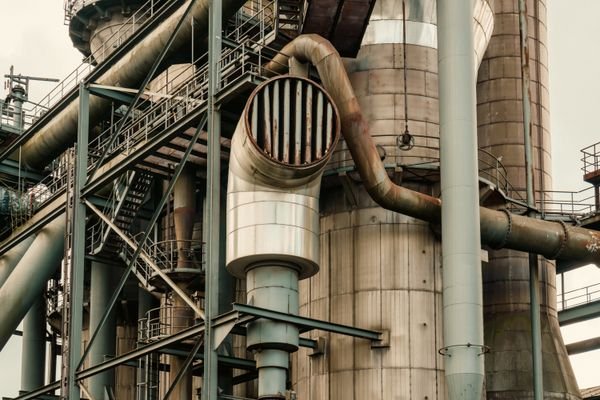
Industrial Plants

General/process ventilation, heat exchange, water treatment and specialized configurations.
Aerial view of petrochemical storage tanks
06

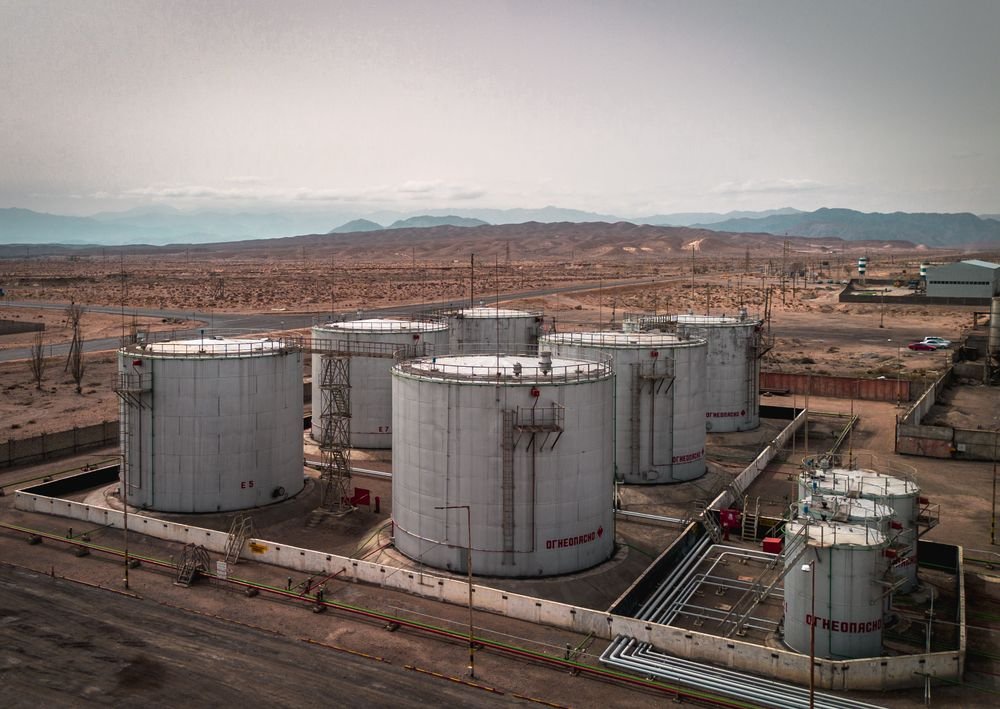
Petrochemical & Chemical

Corrosion-control filtration, hazardous-area ventilation and explosion-proof equipment.

Underground tunnel infrastructure
07

Tunnels & Underground

High-capacity ventilation, smoke control and jet-fan systems for infrastructure.
Factory worker in safety helmet inspecting equipment for quality control
09 / Quality & Specification

A Well-Manufactured Wrong Product Is Still the Wrong Product

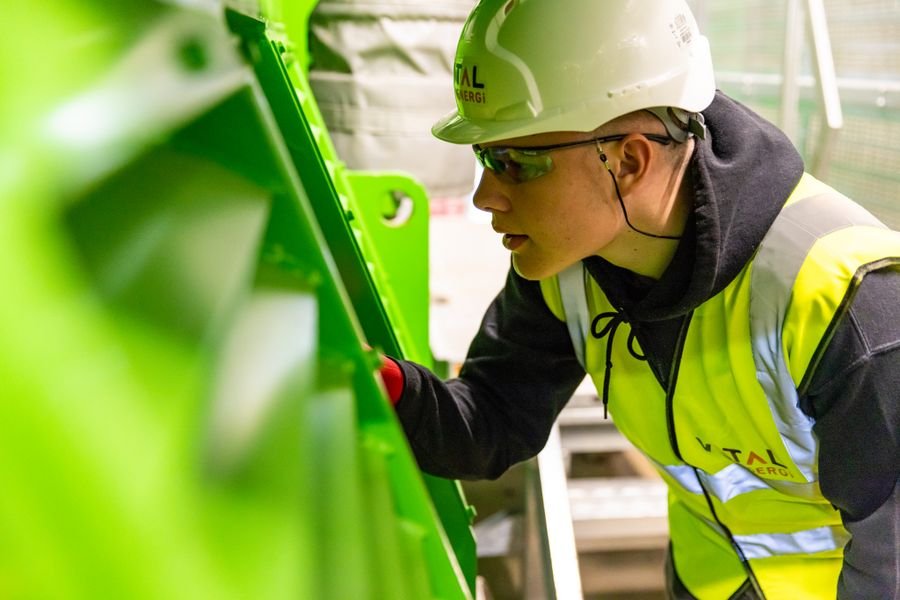
Quality control is usually discussed as a manufacturing issue. For engineered HVAC components, it begins earlier.

  • If the duty point is wrong, accurate manufacturing will not correct the selection.
  • If the filter grade is unsuitable, a perfectly made filter will not solve the air-quality requirement.
  • If the heat-exchanger material is wrong for the medium, workmanship alone cannot prevent long-term compatibility problems.
01

Define the Requirement

Understand the operating condition, installation and application.

02

Confirm the Configuration

Define model, material, size, electrical characteristics, efficiency grade or pressure class.

03

Manufacture & Inspect

Control the manufacturing characteristics that determine performance.

04

Confirm Documentation

Specifications, drawings, test information and applicable certificates coordinated by product and order.

Where certification applies, YONGFAN product documentation specifically states that certificates are confirmed by product, market and configuration — rather than assuming one certification applies to the complete portfolio. That distinction matters for international projects.
10 / From China to Project Site

Technical Supply Requires More Than Packing a Product

International orders involve several layers of coordination — from product selection to after-sales communication.
SelectionConfirmation ProductionInspection DocumentationPacking TransportAfter-Sales
EXWFOBCIFDDP*
  • Product & series selection
  • Dimensioned drawings
  • Performance data
  • Installation guidance
  • Remote technical support
  • Spare-parts support
  • Factory visits or virtual audits
  • OEM coordination
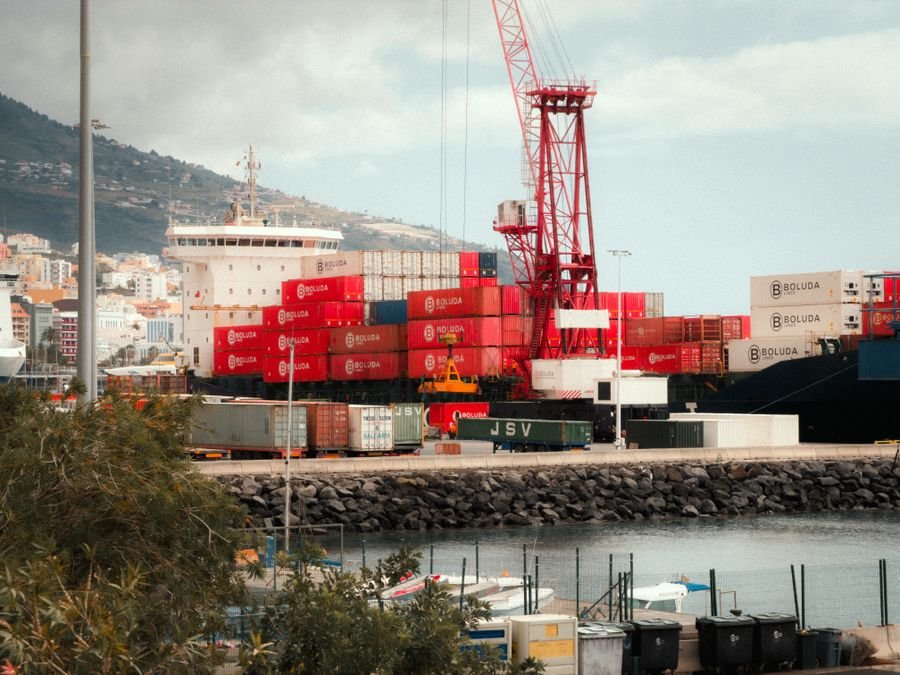
Shipping port with containers for international HVAC equipment export
11 / YONGFAN in Numbers

A Growing HVAC Component Platform

10+
Years of Operations
300+
Clients
200+
Employees
4
Offices in China

These figures are stated in YONGFAN’s current HVAC accessories catalogue.

Behind those numbers is a business increasingly focused on one clear direction: providing the components and technical support required to connect complete HVAC air, water and control systems.

12 / What We Aim to Be

A More Useful Supplier at the Technical Stage of a Project

Our value is not measured by the number of product names in a catalogue. It is measured by whether we can help answer practical project questions.

That is where YONGFAN intends to add value.
  • Which fan should operate at this airflow and static pressure?
  • Which filtration stages are actually required?
  • How much resistance will the filter add?
  • Should this application use particulate or gas-phase filtration?
  • Which heat-exchanger construction fits the medium?
  • What pressure class does the system require?
  • Can the product fit the existing installation?
  • Which specifications need to be confirmed before production?
  • What documentation will the project engineer need?
13 / Work With YONGFAN

Send the Requirement — even if You Do Not Have the Model

If your specification is complete, send us the equipment schedule or technical datasheet. If it is not, start with the information you already have — we can identify the relevant product family and determine what still needs to be confirmed.


AirflowPressureTemperatureWater Conditions Filtration RequirementTarget ContaminantsInstallation DimensionsProject Drawings