
Practical HVAC Knowledge for
Better Product Decisions.
HVAC components are often selected from drawings, schedules and model tables — but the performance of the final system depends on understanding how those components behave in real operating conditions.
YONGFAN News & Insights brings together technical articles, application guidance, product updates, project knowledge and company developments across our airside, hydronic and control portfolio.

Find Information Around
the Problem You Are Solving.
Every article is grouped by product family, so you can start from the equipment you are working with — or the symptom you are trying to fix.
 T.01
T.01
Air Filtration
 T.02
T.02
Ventilation & Air Movement
 T.03
T.03
Chemical Filtration
 T.04
T.04
Hydronic Systems
 T.05
T.05
Heat Exchange
 T.06
T.06
HVAC Controls
Understand the Engineering
Before Choosing the Model.
Not every customer arrives with a finished equipment schedule. Some arrive with an operating problem; others need to compare two product types. Technical Guides are designed for those situations — they explain:
 GUIDE 01
Airflow Is Not Enough: Why Static Pressure Changes Fan Selection
A fan does not deliver one fixed airflow under every condition. As system resistance changes, the operating point changes with it — which is why selection must start from the duty point, not the catalogue maximum.
How to Build a Multi-Stage HVAC Filtration System
A high-efficiency filter should not handle all incoming contamination alone. A staged approach balances cleanliness, resistance and service life:
HEPA Efficiency Is Only Part of the Specification
The filter must perform as part of the housing and air system — not only as an isolated element. Engineers also need to consider:
Particle Filtration vs Gas-Phase Filtration
Particulate filters remove dust and aerosols. Molecular gases — H₂S, SO₂, Cl₂, NOx, NH₃, VOCs — need chemical filtration. This guide helps you decide between:
Plate, Tube or Storage Heat Exchanger?
No single heat-exchanger design is best for every application. A useful comparison weighs:
Do Not Select a Control Valve by DN Alone
Two valves with the same nominal connection size can behave very differently in a hydronic system. Relevant considerations include:
Every Guide Follows the Same Practical Structure
Problem → principle → selection factors → product options → common mistakes → what to send us. Browse the full index to find the topic you need.
Browse All Technical GuidesShorter Answers for
Common Engineering Questions.
Not every technical question needs a long article. Selection Notes are concise answers that move you quickly from a question to the relevant product or the detailed technical guide behind it.
Each note ends with a direct path — to the product family, the sizing inputs we need, or the long-form guide when the question deserves more depth.
The Same Product Behaves Differently
in Different Environments.
A product should not be discussed only by category — its application changes the selection. These collections cover industry-specific operating conditions across the environments YONGFAN equipment serves.
 A.01 · Hazardous Areas
Petrochemical & Chemical
 A.02 · Mission Critical
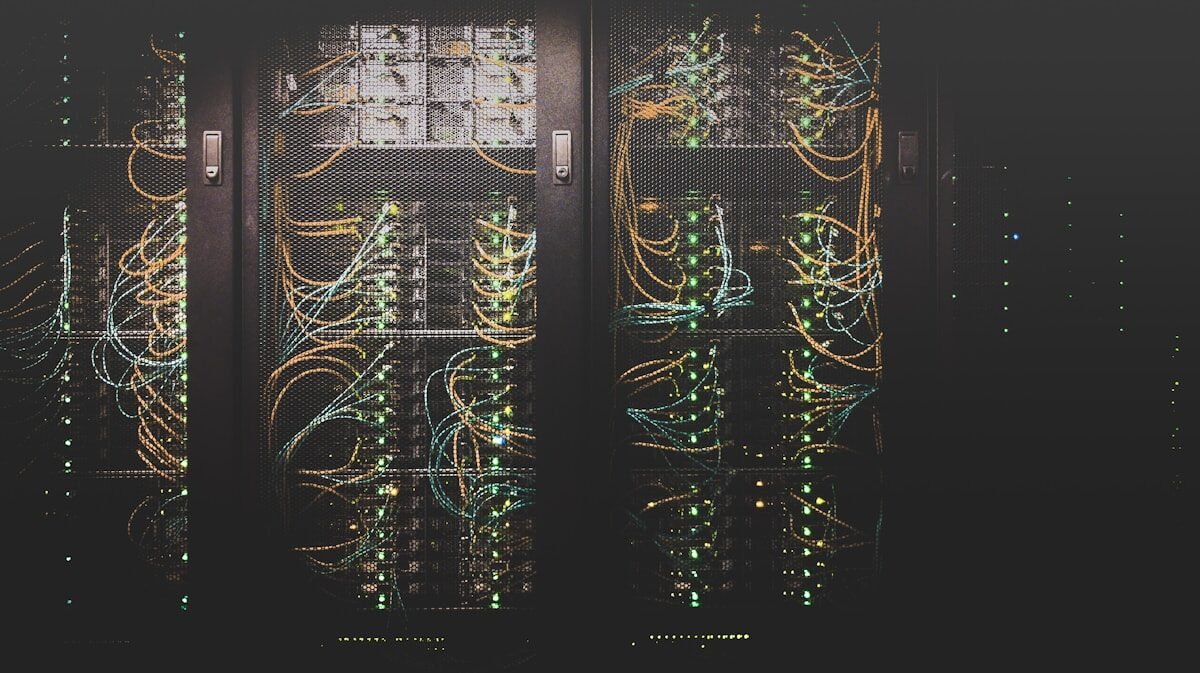
Data Centers & Control Rooms
 A.03 · Controlled Environments
Cleanrooms & Pharmaceutical
 A.04 · Comfort & Efficiency
Commercial Buildings
 A.05 · Process Duty
Industrial Facilities
 A.06 · Life Safety
Tunnels & Underground Infrastructure
Updates, Standards, Lessons
& Lifecycle Knowledge.
Four continuous content lanes — each with its own editorial rule: useful first, promotional never.
Product Updates
New models, configurations and technical improvements — published with context, not hype.
Engineering Insights
Lessons from recurring selection, testing and application questions.
Standards Explained
Practical introductions to the standards behind our product families.
Maintenance & Lifecycle
Product selection should include what happens after installation.
 NEWS
NEWS
Where customer or project confidentiality applies, no identifying project information is published without approval.
Every Article Answers
a Real Question.
For consistency, YONGFAN technical articles follow a practical structure. It keeps articles useful, readable and commercially relevant — without turning them into aggressive sales copy.
 FIG. 07
What is the user actually trying to solve?
What happens if the product is selected incorrectly?
Explain the key technical concept in plain language.
Which parameters need to be considered before choosing?
Which YONGFAN product families may apply to the duty?
What should the reader avoid during selection and installation?
Which project information is needed for final selection?
Start Here.
Six foundation tracks covering the core engineering behind each product family — the fastest way to build a working understanding before diving into details.
Air Filtration Fundamentals
Understand filtration stages, efficiency classes and resistance.
ExploreFan Selection Fundamentals
Understand airflow, pressure and duty-point selection.
ExploreChemical Filtration Fundamentals
Understand gas-phase filtration and corrosion control.
ExploreHeat Exchange Fundamentals
Understand equipment types, materials and thermal selection.
ExploreHydronic System Fundamentals
Understand pressure, flow, expansion and water treatment.
ExploreHVAC Controls Fundamentals
Understand valves, actuators, thermostats and system response.
ExploreTechnical Articles Provide Guidance.
Final Selection Needs Project Data.
Online content can help you understand the options. But final equipment selection may still depend on the conditions of your project:
If your project falls outside a standard example, send the available data to YONGFAN. Our team can help identify the relevant product family and the parameters required for the next step.