

YONGFAN HVAC - Premium Header
Engineered HVAC & Industrial Air Systems
YONGFAN HVACYOFAN HVAC Home
Explosion-Proof Fan Boxes | BDFX, BDFS & BHTFC | YONGFAN
Exd IIBT4 / Exd IICT4 · GB 3836 Certified Hazardous Cabinets

Explosion-Proof Centrifugal Fan Boxes: BDFX, BDFS & BHTFC Series

Explosion-proof fan boxes must match the classified atmosphere and the ventilation duty; the wrong gas group, temperature class or base fan can invalidate an otherwise correct airflow selection.

YONGFAN manufactures certified explosion-proof cabinet fans under GB 3836 with Exd IIBT4 and Exd IICT4 qualifications. Choose from BDFX (DFX belt-drive base), BDFS-I (compact DFS base), and BHTFC-I / BHTFC-II (HTFC fire & dual-speed smoke base) covering airflow from 1,300 to 171,000 m³/h and total pressure up to 1,460 Pa.

Ex ProtectionExd IIBT4 / IICT4
Airflow Range1,300 – 171,000 m³/h
Total PressureUp to 1,460 Pa ΔPt
Cabinet TypesBDFX · BDFS · BHTFC
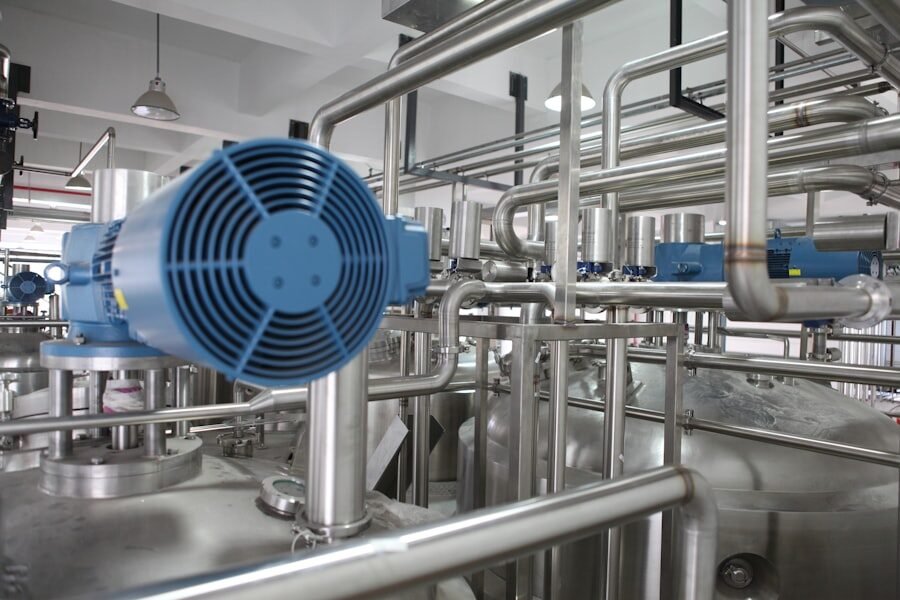
Explosion-proof centrifugal fan box cabinet in industrial chemical plant
Classified Area Ventilation Exd IIBT4 / IICT4 · External Motor Architecture · Non-Sparking Impellers
01 / Hazardous-Area Risks

Hazardous-Area Mistakes Cost More Than an Airflow Mismatch

Procurement often specifies generic “explosion-proof fans” while ignoring gas groups, temperature classes, rotating clearances, and base aerodynamic architecture.

The first failure usually occurs before the fan box is selected. A project schedule says “explosion-proof fan,” but it does not identify the hazardous zone, gas group, temperature class or required certification scheme. Procurement then compares airflow and motor power while assuming that any Ex-labeled cabinet is acceptable.

That assumption is unsafe. A fan box marked Exd IIBT4 and one marked Exd IICT4 do not provide the same gas-group coverage. A gas-atmosphere marking also does not prove suitability for combustible dust. The site classification must therefore be established before the model is released.

The second failure is treating the Ex motor as the entire protection concept. The fan box also contains an impeller, cabinet, drive arrangement, cable entry and rotating clearances. YONGFAN’s explosion-proof fan-box source specifies external-motor construction for Ex units and requires the ordered explosion-proof motor and construction to be confirmed with the base aerodynamic selection.

The third failure appears when the Ex requirement is correct but the wrong base fan architecture is chosen. BDFX, BDFS-I and BHTFC inherit different aerodynamic and operating characteristics from DFX, DFS and HTFC.

Chemical processing plant requiring explosion-proof HVAC ventilation

IEC 60079-10-1:2020 treats explosive-gas area classification as the basis for selecting equipment for locations where flammable gas or vapor hazards may occur. Combustible-dust protection is handled separately; IEC 60079-31:2022 covers equipment protected by enclosure for explosive dust atmospheres.

Practical Selection Order: hazard classification → required Ex marking → base fan architecture → airflow and pressure → installation and control interface.

1. Gas Group Distinction

IIB (ethylene group) and IIC (hydrogen group) are distinct. Never substitute an Exd IIBT4 fan where project specifications mandate Exd IICT4.

Exd IIBT4 vs Exd IICT4

2. Complete Ex Assembly

Protection concept extends beyond the motor to spark-free non-ferrous impellers, antistatic casing earthing, and external-motor packaging.

External Motor · Spark-Free Impeller

3. Base Aerodynamics

BDFX, BDFS-I, and BHTFC inherit the curves of DFX, DFS, and HTFC. Ex marking never replaces airflow and static pressure duty selection.

Aerodynamic Duty Points
02 / Technical Concepts

Ex Marking and Fan Duty Answer Different Questions

The explosion-proof marking defines atmospheric safety. The fan curve defines whether the cabinet moves the required volume against system resistance.

YONGFAN’s current explosion-proof cabinet-fan source documents two production qualifications: Exd IIBT4 and Exd IICT4.

  • d: Identifies flameproof enclosure protection in the supplier’s stated marking.
  • IIB & IIC: Identify different gas groups. The project classification must determine which group is required. A cabinet documented only for IIB should not be substituted where IIC is required.
  • T4: Documented temperature class (maximum surface temperature 135 °C). It is not the handled-air temperature — ambient condition, process-air temperature and Ex class must be stated separately.
Base Family Aerodynamic Inheritance:
  • BDFX / BDFX-I: Uses the DFX belt-drive fan-box performance table.
  • BDFS-I: Uses the DFS-I duct centrifugal performance table.
  • BHTFC-I: Uses the HTFC-I single-speed fire smoke table.
  • BHTFC-II: Uses the HTFC-II dual-speed ventilation/fire table.
03 / Product Architecture

Select the Explosion-Proof Family from the Base Cabinet Architecture

Matching BDFX general ventilation, BDFS-I compact ceiling duct, BHTFC-I single-speed fire, and BHTFC-II dual-speed normal/emergency units.
Family 01 · General Hazardous Airflow 1,400 – 171,000 m³/h · Up to 1,460 Pa

BDFX for general hazardous-area ventilation

BDFX / BDFX-I is the explosion-proof route derived from YONGFAN’s DFX belt-drive ventilation fan box.

The supplier specifically instructs buyers to select BDFX aerodynamic performance from the DFX belt-drive table and then confirm the explosion-proof motor and cabinet construction for the order.

The underlying DFX belt-drive range extends from approximately 1,400 to 171,000 m³/h, with published total-pressure capability up to approximately 1,460 Pa across the documented belt-drive family.

Target EnvironmentsChemical production rooms · Coating & solvent workshops · Fuel/solvent storage
External MotorSimplifies wiring and isolates drive from classified internal airstream
Aerodynamic Scope1,400–171,000 m³/h · High static capability to 1,460 Pa
Dust WarningMarking is for gas groups (IIB/IIC); request separate Group III dust certification if required

BDFX explosion-proof ventilation fan box cabinet
BDFX Series General Hazardous-Area Ventilation · 1,400–171,000 m³/h · External Motor
Family 02 · Compact Ceiling Duct 1,300 – 46,965 m³/h · 140 – 940 Pa

BDFS-I for compact explosion-proof duct ventilation

BDFS-I is the explosion-proof version of YONGFAN’s DFS-I casing-less duct centrifugal fan. Its aerodynamic performance refers directly to the standard DFS-I table.

That base family covers approximately 1,300–46,965 m³/h, 140–940 Pa total pressure, 0.18–11 kW across DFS-I-12 through DFS-I-37.

The reason to choose BDFS is packaging: DFS uses a casing-less, volute-less centrifugal arrangement inside a compact framed duct unit. BDFS carries that compact architecture into the explosion-proof configuration, ideal where classified plant rooms or ceilings have tight spatial constraints.

Low-Profile FormatVolute-less design fits directly in shallow ceiling plenums
Centrifugal PressureRetains centrifugal pressure characteristics (up to 940 Pa)
External DriveStandard external-motor arrangement for safer hazardous integration
Direct FlangesIn-line rectangular duct connections minimize duct transitions
BDFS-I compact explosion-proof duct centrifugal fan
BDFS-I Series Compact Volute-Less Duct Centrifugal · 1,300–46,965 m³/h · Shallow Ceilings
Family 03 · Single-Speed Fire & Ex 280 °C / 30 min Fire + ExdIIBT4 / IICT4

BHTFC-I for single-speed explosion-proof fire and exhaust duty

BHTFC-I is the explosion-proof route based on the HTFC-I single-speed fire smoke-exhaust fan box. Its aerodynamic selection uses the HTFC-I table.

The HTFC base family documents 280 °C / 30 min fire smoke-exhaust duty, airflow up to approximately 171,000 m³/h in HTFC-I, total pressure up to approximately 1,460 Pa, and external-motor centrifugal construction.

Do not assume that an Ex marking automatically includes fire duty or that a fire-rated HTFC automatically carries an Ex marking — both requirements must be confirmed on the ordered configuration. Essential in petrochemical and chemical plants with classified emergency smoke extract needs.

Dual CertificationCombines GB 3836 Ex marking with 280 °C / 30 min fire rating
High VolumeAirflow up to 171,000 m³/h and total pressure up to 1,460 Pa
Petrochemical PlantsProcess exhaust and emergency smoke extraction in classified zones
Single-Speed SimplicityDirect single-speed electrical starter and alarm interlock interface
BHTFC-I explosion-proof fire smoke exhaust fan box
BHTFC-I Series Single-Speed Fire Smoke Exhaust + Exd IIBT4 / IICT4 · Up to 171,000 m³/h
Family 04 · Dual-Speed Normal & Fire Ex Low-Speed Daily + High-Speed 280 °C Fire

BHTFC-II for dual-speed hazardous-area ventilation and fire mode

BHTFC-II adds the dual-speed operating concept of HTFC-II to the explosion-proof fan-box configuration.

Low speed is used for normal daily hazardous-area ventilation; high speed is used for the higher fire smoke-exhaust duty.

The selection requires checking both aerodynamic points: the low-speed point must satisfy normal ventilation airflow and pressure, while the high-speed point meets emergency smoke requirements at 280 °C / 30 min while adhering to Ex criteria.

Dual Operating ModesLow-speed continuous ventilation + High-speed emergency smoke exhaust
Ex Motor WiringDual-speed flameproof motor with dedicated multi-contact starter
Energy & Sound SavingsLow speed reduces continuous noise and power in classified spaces
Two-Point VerificationBoth low and high operating points must be checked on HTFC-II curve
BHTFC-II dual-speed explosion-proof smoke extract fan box
BHTFC-II Series Dual-Speed Normal Ventilation & Fire Smoke Exhaust in Classified Areas
04 / Selection Matrix

Explosion-Proof Fan-Box Routing Table

Quickly navigate between BDFX, BDFS-I, BHTFC-I, and BHTFC-II based on what problem each family solves.
Product Family What It Solves Range Boundary from YONGFAN Data First Input to Confirm Action
General classified-area cabinet ventilation
DFX belt-drive table; approx. 1,400–171,000 m³/h, up to 1,460 Pa
Hazard classification plus required airflow and total pressure Configure BDFX
Compact classified-area duct ventilation
DFS-I base range 1,300–46,965 m³/h, 140–940 Pa
Available cabinet space and required Ex marking Configure BDFS
Single-speed Ex cabinet using HTFC fire-duty architecture
HTFC-I base table; family up to approx. 171,000 m³/h, 280 °C / 30 min
Whether both Ex and fire-duty requirements apply Configure BHTFC-I
Dual-speed normal/fire ventilation in a classified area
HTFC-II high/low table; 280 °C / 30 min base fire duty
Required low-speed and high-speed operating points Configure BHTFC-II
05 / Procurement Protocol

Classified-Area Enquiries Need the Hazard Data Before the Model Number

Essential parameters to confirm before finalizing explosion-proof fan-box models, ensuring full safety and compliance.
Ex Sizing Checklist

Information Required for Ex Fan Box Orders

Submitting your hazardous-area classification schedule, aerodynamic duty points, and process gas composition allows our application engineers to verify certification and supply approved 3D BIM models.

1. Hazardous Zone (Zone 1 or Zone 2)
2. Gas Group (IIB or IIC Hydrogen)
3. Temperature Class (T4 / 135 °C)
4. Required Airflow (m³/h / CFM)
5. Total Pressure Loss (Pa ΔPt)
6. Fire Smoke Duty (280 °C / 30 min required?)
7. Speed Duty (Single-Speed vs Dual-Speed)
8. Ambient & Process Gas Temperatures
9. Gas Composition (Corrosive / Non-corrosive)
10. Spigot Orientations & Service Clearance
06 / Manufacturing & Standards

YONGFAN Ex Fan-Box Manufacturing and Supply Controls

Formed cabinet panels, double-inlet centrifugal impellers, dynamic balancing, and compliance under GB 3836 explosive atmosphere standards.
In-House Forming

Cabinet Forming & Assembly

YONGFAN states that BHTFC explosion-proof cabinet fans are made in its own factory with in-house sheet-metal forming, profile assembly, and motor mounting.

Dynamic Balancing

Centrifugal Impellers & Bearings

Assembly of double-inlet centrifugal impellers, precision dynamic balancing, and matching to certified explosion-proof motors and heavy-duty bearings.

Standard Scope

GB 3836-2010 Compliance

Governed under GB 3836-2010 explosive atmosphere series, with JB/T 10563-2006 (centrifugal) and JB/T 10281-2014 (fire smoke exhaust) standards.

Release Inspection

100% Parameter Verification

Completed units are verified for airflow, total pressure, and noise against selection data before dispatch, with supplied nameplate data prevailing.

Global Logistics: On-site warehousing, export packaging, and sea, air, and land logistics under EXW, FOB, CIF, and DDP terms. Process Compatibility: Conveyed gas must remain non-corrosive, non-viscous, and not harmful to the human body unless custom alloys/coatings are specified.
07 / Architectural Boundaries

Explosion-Proof Construction Does Not Replace Process Compatibility

An Ex fan box controls ignition risk for the certified hazardous atmosphere. It does not make standard steel resistant to every corrosive chemical stream.

Corrosive Process Gases

If the process contains aggressive acids, alkalis, or sticky aerosols, material selection (e.g. 316L stainless or special coatings) requires separate engineering review.

Material Verification Required

Combustible Dust vs Gas

If the hazard is combustible dust (Group III), request a dust-specific Ex marking under IEC 60079-31 rather than relying on an Exd IIB/IIC gas-group certificate.

Dust Specific Certification

Final Ex Configuration Link

The final approval must connect hazard classification, complete Ex marking, base fan duty, process compatibility and installation interface in one documented configuration.

5-Point Approval Check
ALERTS — NOT PART OF THE PAGE. RESOLVE BEFORE PUBLISHING.
The BHTFC source lists “dust-laden gases” and combustible-dust applications, but the documented Ex qualifications are Exd IIBT4 / Exd IICT4 gas markings. Do not claim combustible-dust certification without a dust-specific marking and certificate.
The source states “BHTFC-II / BDFX-II → HTFC-II dual-speed table.” BDFX-II appears inconsistent with the stated DFX/HTFC family mapping and may be a source-table error. Verify before publishing BDFX-II as a formal model.
The source states current Exd IIBT4 and Exd IICT4 production qualifications but does not provide certificate numbers, expiry, issuing body or IECEx/ATEX evidence. Confirm market-specific documentation before compliance claims.
The BHTFC source says conveyed gas must be non-corrosive, non-viscous and not harmful to the human body. Do not extend the standard construction to aggressive chemical exhaust without material verification.
08 / Technical Q&A

Explosion-Proof Fan Boxes Frequently Asked Questions

Direct answers on choosing between BDFX, BDFS, and BHTFC, gas group selection, dust hazards, and dual-speed fire operation.

Which YONGFAN fan box should I start with for general hazardous-area ventilation?

Start with BDFX when the project needs a conventional cabinet fan and the required airflow/pressure fits the DFX belt-drive range (1,400 to 171,000 m³/h).

Which explosion-proof fan box is the most compact route?

Review BDFS-I. It inherits the casing-less DFS architecture and covers approximately 1,300–46,965 m³/h and 140–940 Pa from the DFS base table.

When should I choose BHTFC instead of BDFX?

Choose BHTFC-I or BHTFC-II when the project specifically needs the HTFC fire smoke-exhaust architecture (280 °C / 30 min) in addition to the hazardous-area requirement.

What is the difference between BHTFC-I and BHTFC-II?

BHTFC-I follows the single-speed HTFC-I table. BHTFC-II follows the dual-speed HTFC-II table with separate normal low-speed and emergency high-speed operating points.

Does YONGFAN provide IIB and IIC options?

The supplied BHTFC source documents current Exd IIBT4 and Exd IICT4 production qualifications. The exact ordered marking and certificate should be confirmed for the selected model.

Can I select an explosion-proof fan box by Ex marking alone?

No. BDFX, BDFS-I and BHTFC use different aerodynamic base series. The fan must meet the required airflow and total pressure as well as the hazardous-area requirement.

Is an IIB or IIC gas marking enough for a combustible-dust area?

No. The current YONGFAN source contains dust-application language, but the documented Ex markings are gas-group markings. A dust installation needs the appropriate dust classification and evidence.

Which product should be used when both normal ventilation and emergency smoke exhaust are required?

Review BHTFC-II when the project needs low-speed daily ventilation and high-speed fire smoke exhaust in the same explosion-proof cabinet.

09 / Application Engineering Handoff

Select an Explosion-Proof Fan Box

Connect hazard classification, complete Ex marking, base fan duty, process compatibility, and installation interface into one documented configuration. Send your project schedule or drawings to our application engineers.

Exd IIBT4 · Exd IICT4 BDFX General Ventilation BDFS-I Compact Duct BHTFC-I Single-Speed Fire BHTFC-II Dual-Speed Airflow (1,300 – 171,000 m³/h) Total Pressure (Up to 1,460 Pa)
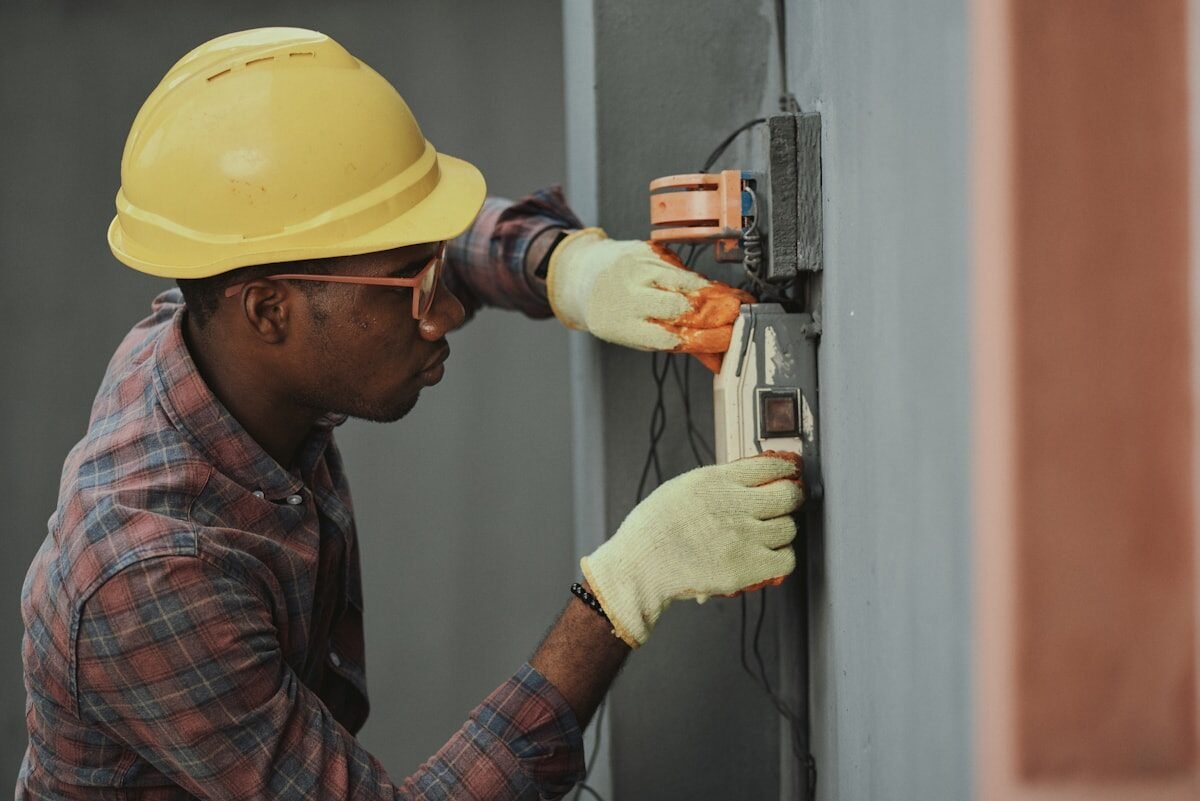
YONGFAN application engineers reviewing explosion-proof fan box submittals
Direct Technical Selection Support
Ex gas-group ratings, fan curves, 3D BIM models & certified drawings.