YONGFAN HVAC - Premium Header
Engineered HVAC & Industrial Air Systems
YONGFAN HVACYOFAN HVAC Home
01 / Product Architecture

Find the Right Product:
Match Family to System Duty.

Use this page to match the right YONGFAN product family to your airflow, filtration, hydronic, heat-transfer or control duty before you compare individual models.

Air Filtration Ventilation Fans Fan Boxes Dampers & Air Distribution Chemical Filtration Heat Exchange Plant Room & Hydronics Water Treatment HVAC Controls & Valves
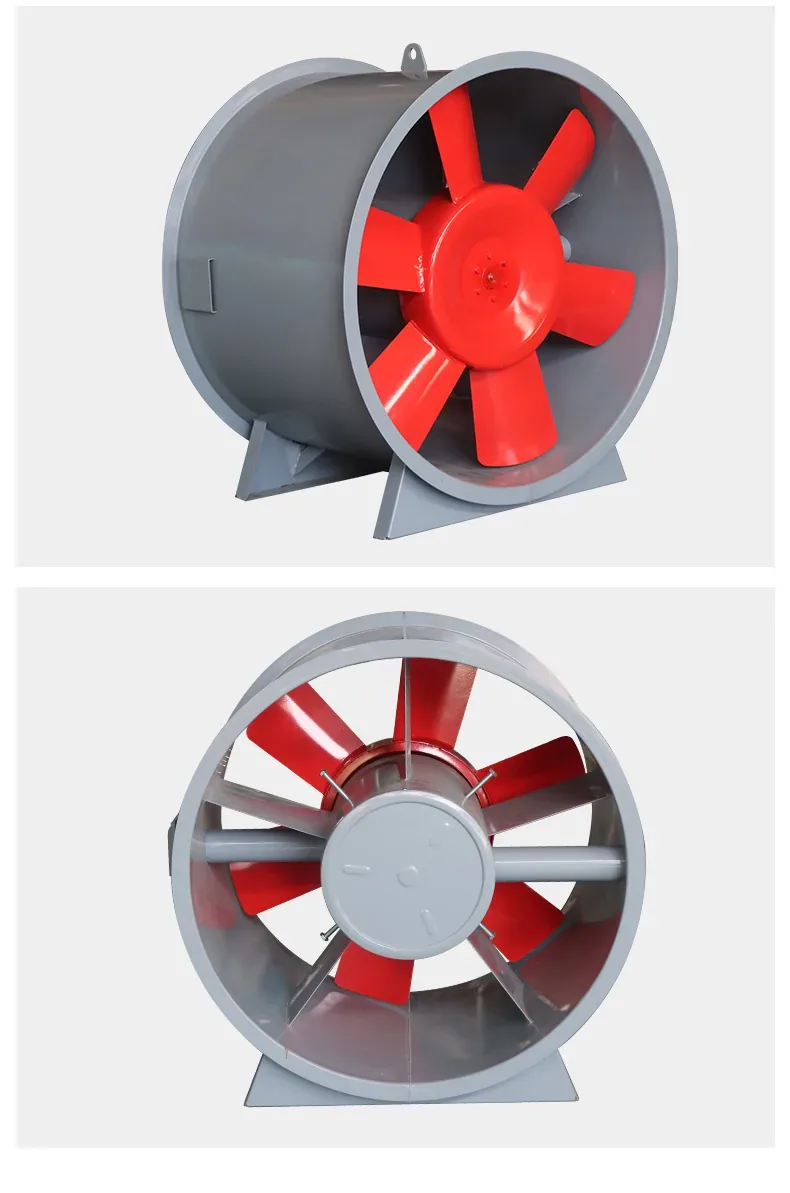
YONGFAN smoke-exhaust fan product set
Duty-Driven Component Selection Connecting airflow, resistance, heat duty and control logic directly to hardware.
9 Product Families Air · Water · Control coverage
Duty Point First CFM, ΔP, kW & gas profile
Standards Compliance ISO 16890, EN 1366, ISA 71.04
Global Project Supply OEM, submittals & export packing
02 / Root Cause Analysis

HVAC Component Mismatches
Become System Problems.

A component can fit the drawing and still fail the project. A fan can meet the scheduled airflow but miss the installed duty because the available pressure is wrong. A filter can meet an efficiency label yet create an unacceptable pressure drop for the fan that serves it. A valve can have the correct nominal diameter and still control poorly because the actuator, flow characteristic, pressure condition or control signal does not match the loop.

The same problem appears on the water side. A make-up unit sized only by connection diameter may not match system volume or pressure. A heat exchanger selected from plate area alone may miss the required approach temperature, pressure class or medium compatibility. In a corrosion-control application, selecting a particulate filter for a molecular contaminant does not solve the problem at all.

These failures are expensive because they are often discovered late, as low airflow, unstable pressure, noise, poor control or failed commissioning. The real cause is often upstream: the product family was chosen before the system duty was defined.

YONGFAN Portfolio Selection Principle:

YONGFAN’s portfolio is organized around that decision. The range covers air filtration, ventilation fans, fan boxes, dampers and air distribution, chemical filtration, heat exchange equipment, plant-room and hydronic equipment, water treatment, and HVAC controls and valves. The first task is not to pick a model. It is to identify which product family solves the actual system constraint.

Airflow vs. System Static Pressure Airside Risk

Sizing by airflow without accounting for actual duct, fitting, and dirty filter resistance causes fans to stall or underdeliver.

Filtration Efficiency vs. Fan Energy Energy Risk

Selecting high-grade filtration without staging or verifying allowable initial/final pressure drop creates severe fan overloading.

Valve Sizing vs. Control Authority Control Risk

Sizing valves solely by pipe connection diameter causes hunting, poor authority, and erratic thermal zoning.

Particulate vs. Molecular Contaminants Asset Risk

Applying particulate filters to corrosive gases (H₂S, SO₂) leaves electronic circuit boards completely unprotected.

03 / Selection Hierarchy

HVAC Component Specifications
Buyers Should Compare First.

Different product families use different rating fields, but the selection logic follows the same pattern. Start with the variable that determines whether the component can do the job, then check the fields that determine how it will behave in the installed system.

Ventilation Fans & Fan Boxes

For ventilation fans and fan boxes, airflow and pressure are selection-driving fields. Airflow tells you how much air must move; pressure tells you whether the fan can overcome the resistance of ducts, coils, filters, dampers and fittings. Motor power, speed, noise, construction and protection class are verification fields after the duty point is established. Comparing airflow alone is not enough.

Air Filtration Systems

For air filters, the first decision is the filtration stage and required efficiency. Pressure drop then matters because every filter adds resistance to the air system. Frame size, depth, media construction, temperature limit and sealing method determine whether the element fits the housing and remains suitable for the operating environment. Where legacy G/F grades and newer efficiency systems appear in project documents, confirm the required test standard before treating two labels as equivalent.

Chemical Filtration

For chemical filtration, the target gas is the starting point. H₂S, SO₂, chlorine, ammonia, NOx and VOC duties do not automatically use the same media or the same equipment arrangement. The second decision is whether the system treats outdoor make-up air, indoor recirculation air or contaminated exhaust. Airflow, contaminant concentration, required room condition and media arrangement then drive the configuration.

Hydronic & Heat Exchange

For hydronic and heat-exchange equipment, begin with flow, temperature and pressure. Heat load, primary and secondary temperatures, fluid type, system volume, pressure class and water quality determine the equipment type and size.

HVAC Controls & Valves

Controls and valves add another layer: connection size must be checked together with operating pressure, actuator type, supply voltage, signal and fail position. Across suppliers, compare in this order: first the rated duty and test basis, second the operating limits and interfaces, and third the options that affect installation or maintenance. A longer feature list does not correct a mismatch in the first two steps.

Evaluation Order
Compare Across Suppliers in Strict Sequence:

1. Rated Duty & Test Basis → 2. Operating Limits & System Interfaces → 3. Installation & Maintenance Options. (A longer feature list never corrects an initial duty mismatch).

04 / Enquiry Preparation

HVAC Project Inputs That
Determine Product Selection.

A useful enquiry begins with operating data, not a model code. These inputs move the result: higher airflow can change fan size or filter face area; higher resistance changes required fan pressure; a tighter temperature approach changes heat-exchanger sizing. Final selections must be confirmed against the actual project.

Airside Ventilation

Provide design airflow, available or required static pressure, temperature, noise target, installation orientation and any fire or hazardous-area duty. If filters are included, add the required filtration stage, cleanliness objective and acceptable pressure drop.

Airflow (m³/h) Static Drop (Pa) Noise Target (dBA) Fire / ATEX Duty

Cleanroom Filtration

Room classification, airflow pattern, ceiling arrangement and module size influence the equipment choice. GFK, GCFK and FFU products solve different installation problems at the clean-air terminal.

ISO Cleanliness Class Laminar Flow Pattern Ceiling Grid Size Terminal Housing Type

Gas-Phase Filtration

Identify the pollutant before selecting the equipment. The enquiry should state whether the concern is corrosion protection or exhaust treatment, the target gases, approximate concentration if known, airflow, room pressure strategy and available installation space.

Target Gases & PPM Corrosion / Exhaust Positive Pressure Strategy Physical Footprint

Hydronic & Heat Exchange

Useful inputs are flow, head or pressure requirement, system volume, supply and return temperatures, fluid, water quality and control objective. Heat exchangers additionally require the primary and secondary temperature program and required heat load.

Flow & Static Head System Loop Volume Primary / Secondary ΔT Heat Load (kW/MW)
05 / Product Disciplines

HVAC Products by Project Need:
Matching Hardware to Operational Tasks.

Explore how YONGFAN’s product families align directly with building ventilation, cleanroom integrity, emergency smoke management, chemical corrosion control, plant-room hydronics, thermal exchange, and terminal control.

01 / Air Movement

Building ventilation starts with airflow and system resistance

For offices, hotels, hospitals, commercial buildings and general industrial ventilation, the core decision is how much air must move and how much system resistance the fan must overcome. YONGFAN’s ventilation range includes axial, mixed-flow, centrifugal, roof, wall and cabinet fans, plus packaged fan boxes. The DTF family covers in-duct axial duty, SWF covers compact mixed-flow duty, 4-72 addresses conventional centrifugal applications, DWT serves roof-level exhaust, and DFX packages a double-inlet centrifugal fan inside a cabinet.

Choose the family before the size. An axial fan is not automatically interchangeable with a centrifugal fan at the same airflow because pressure capability and installation geometry differ. Where the motor must stay outside a contaminated or hot airstream, bifurcated or external-motor constructions become relevant.
DTF In-Duct Axial SWF Mixed-Flow 4-72 Centrifugal DWT Roof Exhaust DFX Cabinet Fan
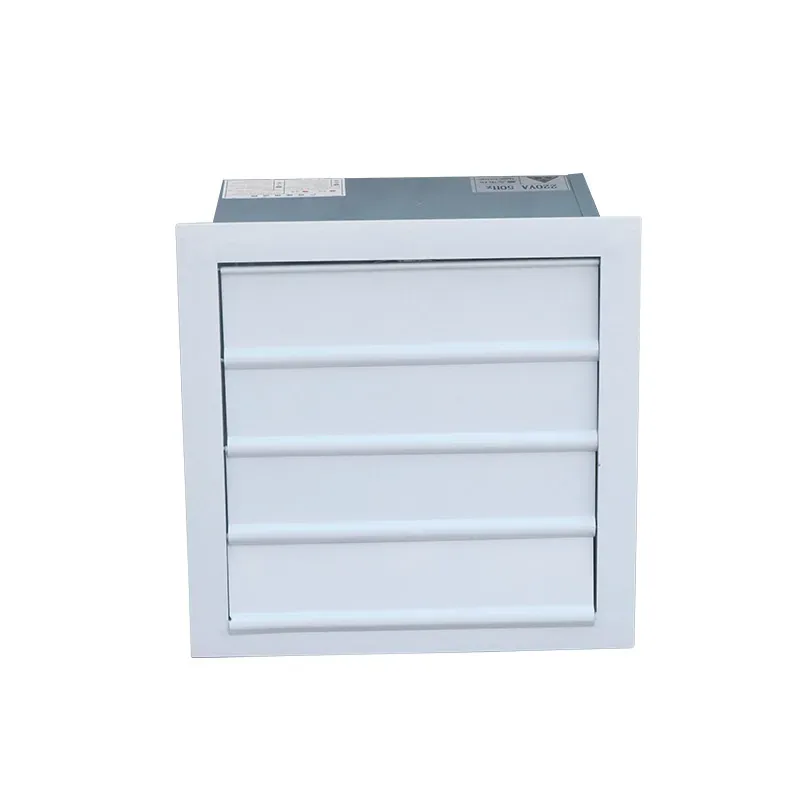
Building Ventilation YONGFAN square wall-mounted axial fan
02 / Particulate Purity

Cleanroom filtration starts with the required filtration stage

A clean air system is normally built as a sequence, not as one filter. YONGFAN’s supplied range includes primary filters such as CG, CCB, CY, CNL and CJS; medium-stage bag, V-bank and pleated filters such as ZF5(6), ZF7(8), ZF9, ZZH, ZDZ and ZYG; and terminal equipment including HEPA diffuser boxes, ultra-thin diffusers and FFUs.

The decision driver is where the product sits in the filtration train. A pre-filter protects downstream equipment, a medium filter reduces particle load, and a HEPA or ULPA stage is selected around the cleanliness requirement and test basis. Terminal housings then solve installation and airflow-distribution problems at the room boundary.

CG / CCB / CY / CNL / CJS Primary ZF5–ZF9 Bag & V-Bank ZZH / ZDZ / ZYG Compact GFK / GCFK / FFU Terminals
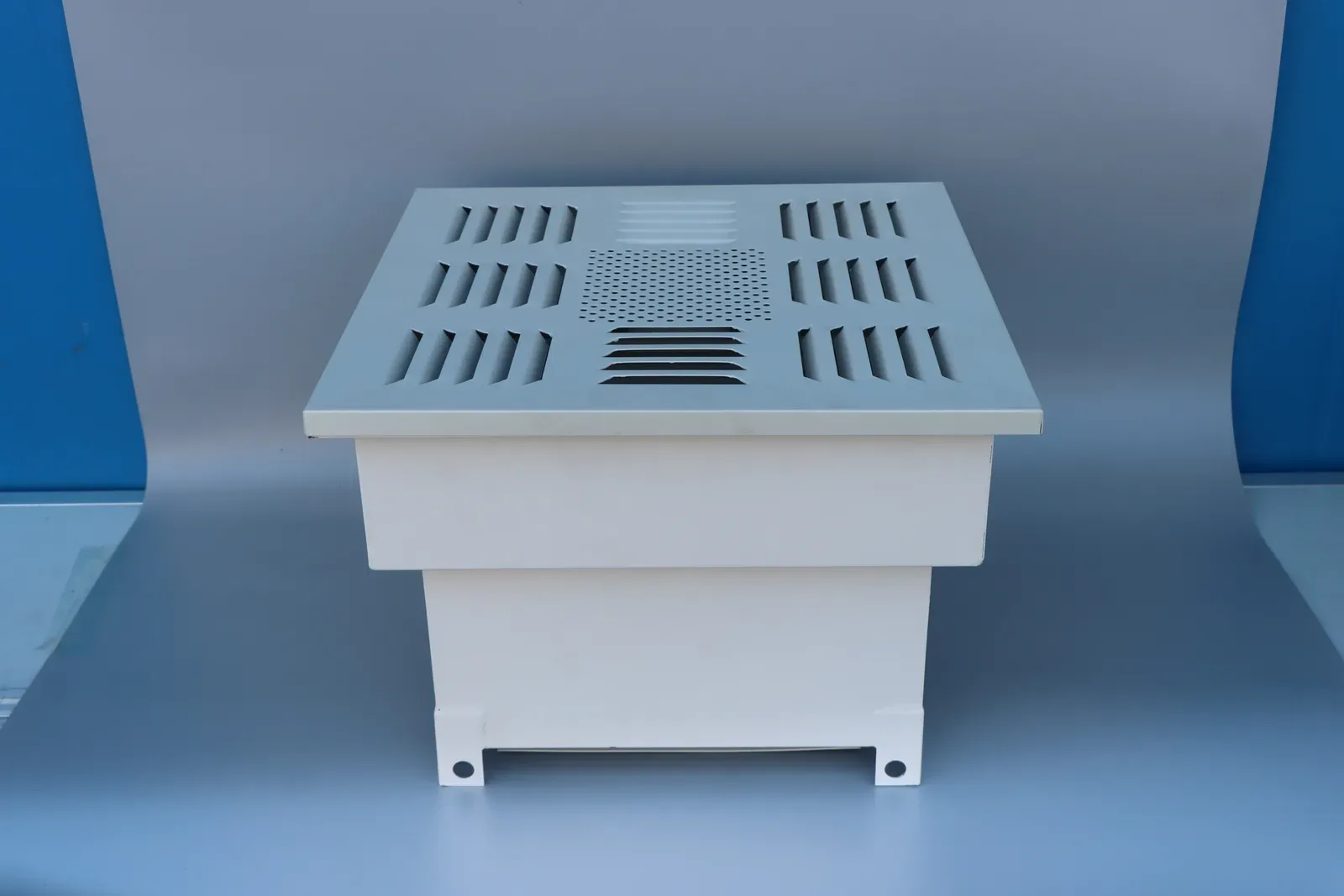
Cleanroom Filtration YONGFAN cleanroom HEPA supply air terminal
03 / Life Safety

Fire and smoke systems start with emergency duty

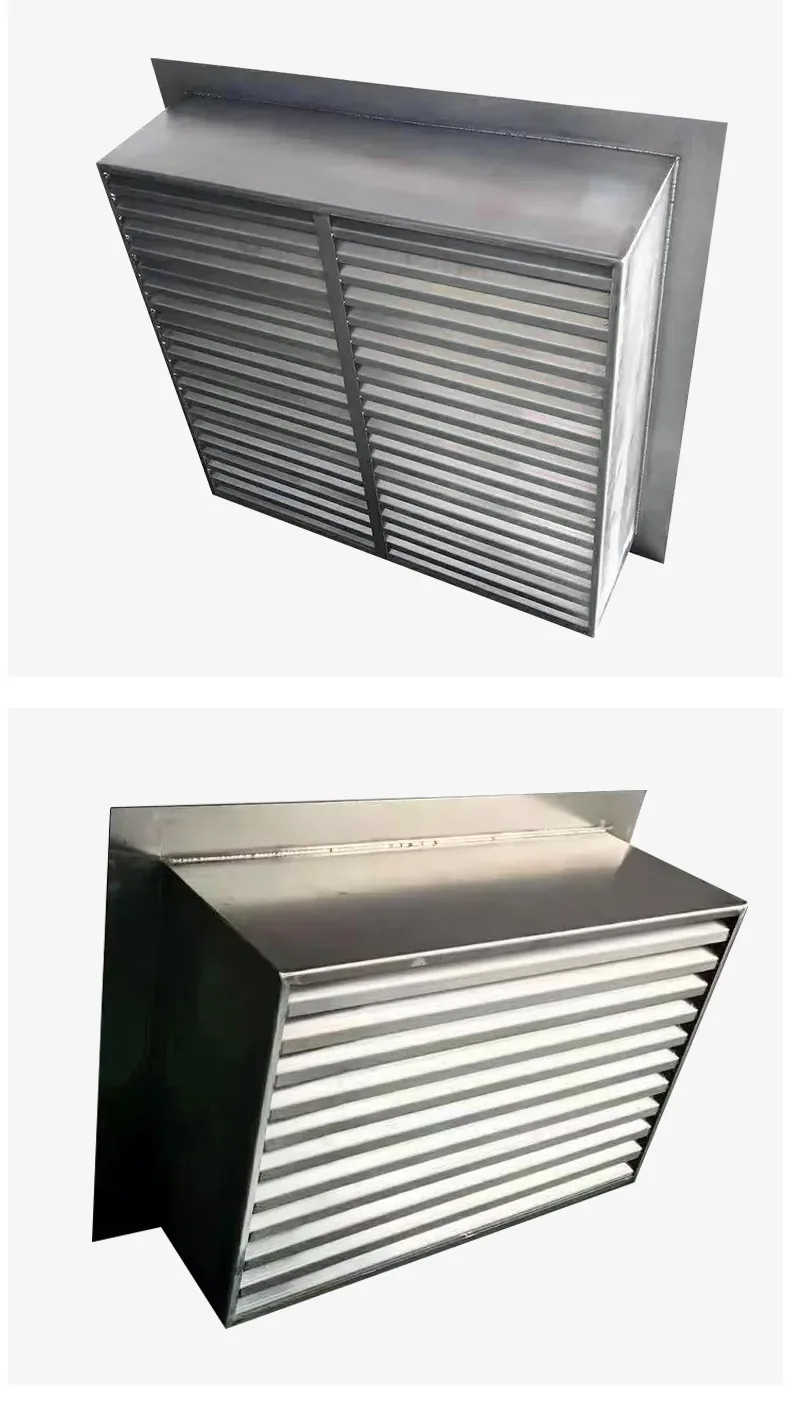
Normal ventilation and emergency smoke control may use similar-looking equipment, but the operating requirement is different. YONGFAN’s range includes HTFC fire smoke-exhaust fan boxes, DTF smoke-exhaust-capable axial fans, FHF fire dampers, PFHF smoke-exhaust fire dampers, PYF smoke-exhaust dampers and related actuators.

The first question is the emergency duty defined by the project. Temperature rating, operating duration, damper function, actuator logic and control interface matter before normal-day airflow is optimized. HTFC and DTF documents include 280 °C / 30-minute smoke-exhaust duty for relevant configurations. Explosion-proof requirements are a separate selection condition and must not be assumed from a fire rating.

HTFC 280 °C / 30 min Fan Box DTF Smoke Axial FHF Fire Dampers PFHF / PYF Smoke Dampers
Fire & Smoke Control YONGFAN explosion-resistant damper product set
04 / Molecular Protection

Petrochemical corrosion control starts with the contaminant

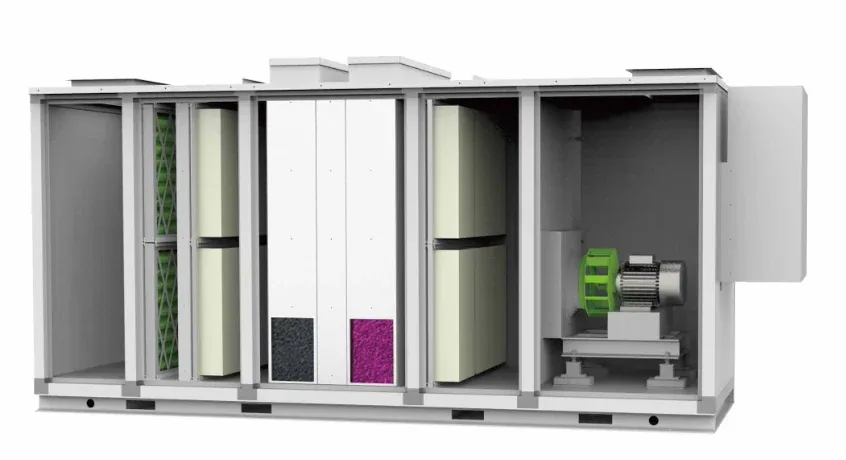
Particulate filtration and gas-phase filtration solve different problems. YONGFAN’s chemical-filtration family includes PSA fresh-air units, PSA-PG high-airflow units, DBS indoor positive-pressure or recirculation equipment, CA indoor recirculation units and WGP exhaust-gas treatment systems.

For control rooms and server rooms, the decision is how to keep corrosive molecular contaminants away from electronics. PSA handles fresh-air corrosion control, CA focuses on recirculation, and WGP treats contaminated exhaust. Selection requires the gas profile, airflow and operating strategy.

PSA Fresh-Air Scrubbers PSA-PG High-Airflow DBS Deep-Bed Units CA Recirculation WGP Exhaust Abatement
Chemical Filtration YONGFAN deep-bed chemical filtration unit
05 / Water Side

Hydronic plant rooms start with pressure and system volume

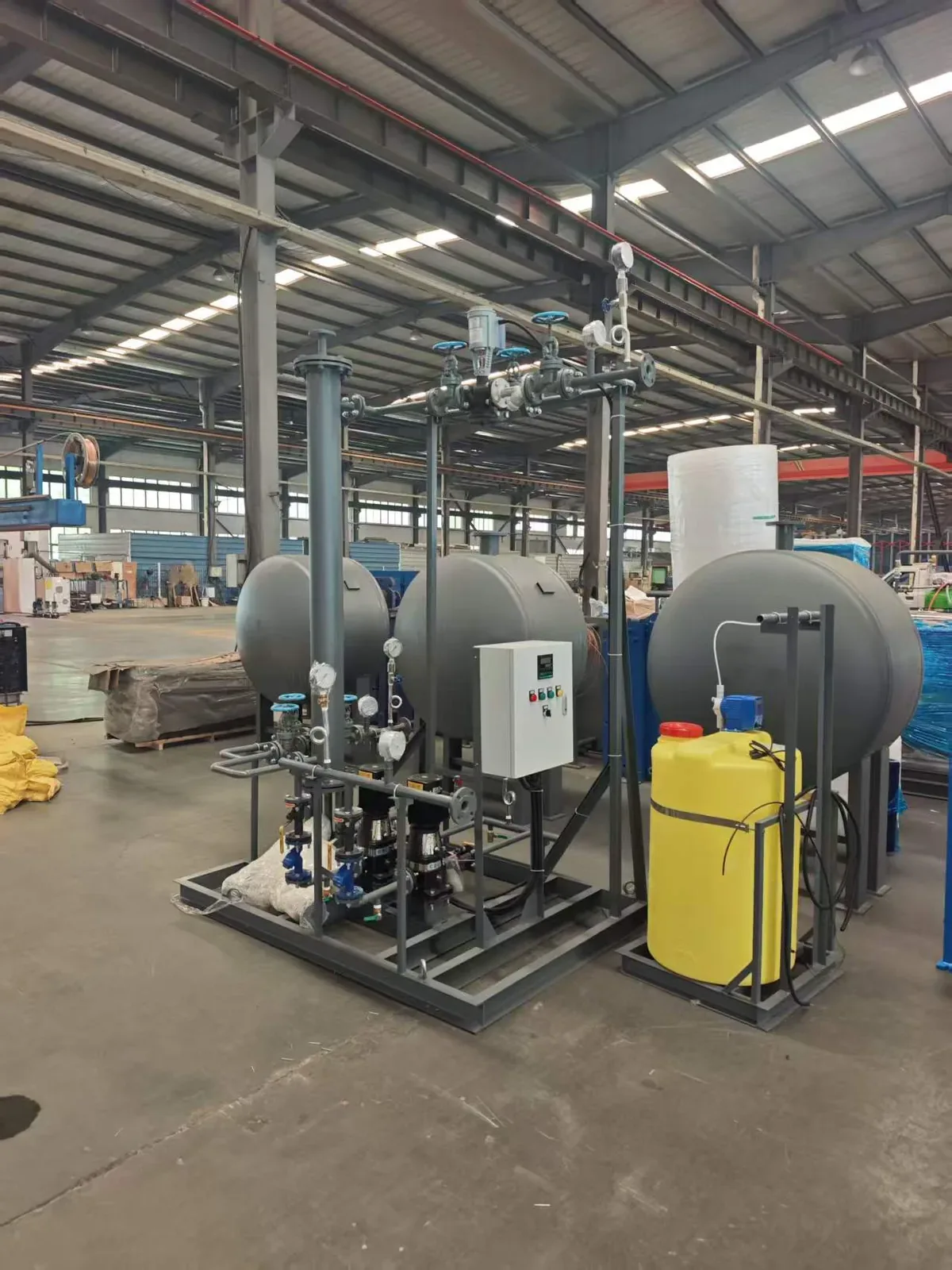
YONGFAN’s plant-room range covers JFDY constant-pressure water make-up units, JFWP pressure-stabilizing and expansion units, JFHB variable-frequency water-supply equipment, JFWZ non-negative-pressure water-supply systems, water distributors and collectors, and JFLN condensate-recovery equipment.

These products solve different water-side problems. JFDY and JFWP serve closed-loop pressurization and expansion; JFHB is a VFD booster system; JFWZ uses available municipal pressure. Manifolds distribute circuits, while JFLN belongs to condensate recovery. System function is the first selection boundary.

JFDY Make-Up Units JFWP Pressure & Expansion JFHB VFD Water Supply JFWZ Non-Negative Boost JFLN Condensate Recovery
Hydronic Plant Room YONGFAN automatic chemical dosing unit
06 / Thermal Transfer

Heat exchange starts with the temperature program

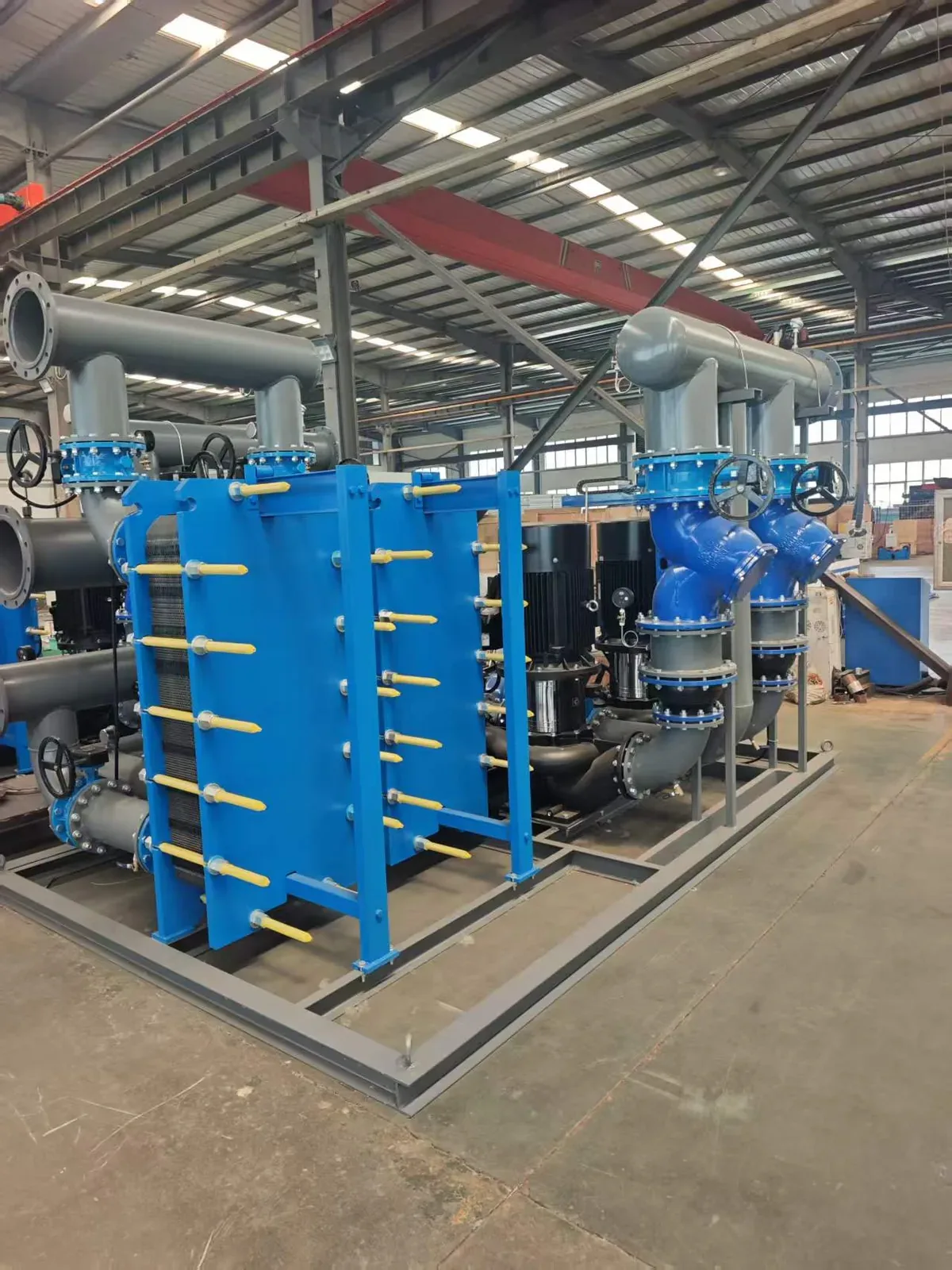
The heat-exchange range includes gasketed plate heat exchangers, skid-mounted plate heat-exchanger units, double-thread turbulent tube exchangers, U-tube storage exchangers, floating-coil storage exchangers and high-rise direct-mixing heating units.

A plate exchanger suits compact indirect heat transfer. A skid-mounted unit adds pumps, make-up equipment, valves, instruments and controls. Storage exchangers address hot-water demand, while high-rise direct mixing addresses zone pressure and mixing. The correct family follows the hydraulic and thermal arrangement.

Gasketed Plate (PHE) Skid-Mounted Exchanger Stations Turbulent Tube Exchangers U-Tube Storage Buffers High-Rise Direct Mixing
Heat Exchange YONGFAN gasketed plate heat exchanger
07 / Flow & Automation

Controls and valves start with the control sequence

Thermostats, actuators and valves should be selected as a control chain. YONGFAN’s range includes DA and DB fan-coil thermostats, K206 mechanical thermostats, thermal actuators, motorized two-way valves, balancing valves, hydraulic control valves and general brass HVAC valves.

The buyer should define what must happen at setpoint and on power loss. The DA series controls the water valve while the fan can remain independent; the DB series coordinates valve and three-speed fan control. The actuator interface, voltage and valve connection then have to match the terminal unit and control sequence. On larger water systems, hydraulic and balancing valves are selected around pressure, flow and regulation duty rather than thermostat logic.

DA / DB FCU Thermostats K206 Mechanical Thermal & Motorized Actuators 100X–900X Hydraulic Valves Brass HVAC Valves PN 1.6
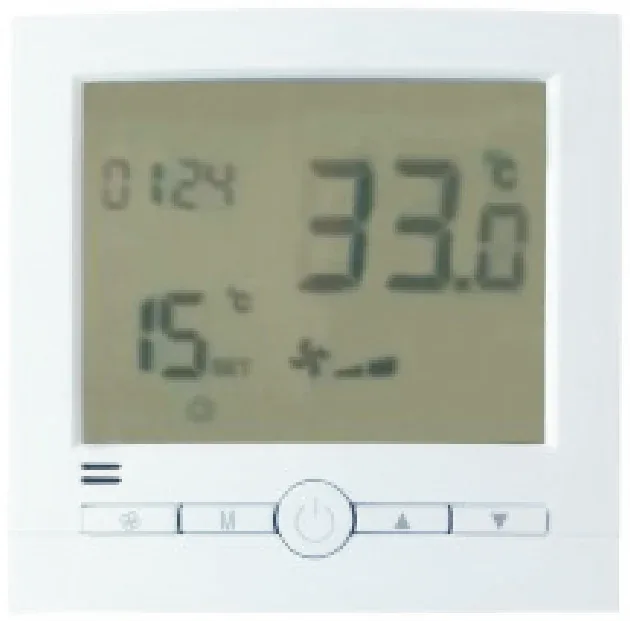
Controls & Valves YONGFAN K08 digital fan-coil thermostat
06 / Engineering Overview

YONGFAN Product Capability Matrix

Compare supplied product ranges, representative capability boundaries, and the key selection variables required to initiate engineering configuration.

Product family YONGFAN supplied range Published capability examples Selection input to confirm first
Air Filtration Systems Primary, medium, HEPA/terminal and activated-carbon filtration CG G1–G4; ZF5(6) F5/F6; ZF7(8) F7/F8; ZF9 F9; DFX H11–H14 options Filtration stage and required efficiency
Ventilation Fans Axial, mixed-flow, centrifugal, roof, wall, tunnel and explosion-proof fans DTF 1,886–114,829 m³/h; SWF 1,430–144,260 m³/h; SDS/SDS(R) 191–3,046 N thrust Airflow and required pressure or thrust
Fan Boxes Ventilation, purification, duct centrifugal, smoke-exhaust and explosion-proof DFX 800–171,000 m³/h; HTFC 1,400–171,000 m³/h; 280 °C / 30 min fire duty Airflow, pressure and duty type
Dampers & Air Distribution Fire/smoke dampers, control dampers, VAV terminals, plenums and acoustic products YFVAV-S-T100 Ø125–Ø400 mm, 122–6,232 m³/h Airflow-control function and interface
Chemical Filtration Systems Fresh-air, high-airflow, recirculation and exhaust-gas treatment PSA 850–34,000 m³/h; PSA-PG 1,700–68,000 m³/h; CA 850–6,800 m³/h Target gas and air-treatment mode
Heat Exchange Equipment Plate, skid, tube, storage and direct-mixing equipment Plate, enhanced-tube, U-tube storage, floating-coil and high-rise direct-mixing configurations Heat load and temperature program
Plant Room & Hydronic Equipment Make-up, expansion, VFD supply, non-negative-pressure supply, manifolds and condensate recovery JFHB 8–5,500 m³/h & 20–250 m head; JFDY tank volume 0.20–8.53 m³ System function, flow and pressure
Water Treatment Equipment Electronic and induction physical water treatment, softening and supporting equipment JFGP 1–2,700 m³/h; working frequency up to 12 MHz Water quality and treatment objective
HVAC Controls & Valves Thermostats, actuators, motorized, balancing, hydraulic and general valves M30 × 1.5 thermal actuator; 100X–900X hydraulic family; brass valves PN 1.6 MPa Control sequence, pressure and connection
Engineering Standardization Notice: Read these figures as family boundaries, not as interchangeable ratings. Fan performance depends on the stated test and duty condition; filter efficiency and resistance depend on the test method and rated airflow; valve pressure classes do not describe control authority; heat-exchanger performance cannot be compared without the same temperature program and fluid conditions. Where two suppliers use different standards or measurement conditions, normalize the basis before comparing the number.
07 & 08 / Project Execution & Quality

Project Enquiry, Technical Coordination
And Controlled Manufacturing.

Start the enquiry with the duty you need to achieve. YONGFAN product documents support selection by airflow, pressure, filter grade, temperature, water condition, target gas, heat duty and control requirement, depending on the family. For fan products, the available support includes performance curves, dimensioned drawings and selection against airflow and static pressure. Filter products can be matched by efficiency grade, size, resistance and mounting arrangement. Engineered equipment is configured around the project operating data.

Once the product family is identified, the next step is to freeze interfaces. That includes duct or pipe connection, installation orientation, electrical supply, control signal, material option, pressure class and required accessories. Non-standard sizes and project-specific configurations are available across several YONGFAN ranges rather than being treated as field modifications after delivery.

Before design freeze, request the technical data that the project team will actually use: selected model, performance point, outline dimensions, connection details and applicable test or compliance documents. Factory visits, including virtual visits, are offered in multiple YONGFAN product programs. Export packing and sea, air or land logistics can then be coordinated around the confirmed equipment and order terms.

10+
Years of Operations
300+
Clients Worldwide
4
Offices in China
200+
Employees

* YONGFAN’s company catalog describes the business as a supplier and integrator of HVAC accessories and control solutions. Individual product documents also identify in-house production for specific lines, including DFX fan boxes and air filters. Figures reflect company-wide scope, not single-line capacity.

Ventilation Dynamic Balancing

For ventilation equipment, the product documents describe dynamic balancing of rotating assemblies and pre-delivery checks of airflow, pressure, motor current, mechanical clearances and, where specified, sound. Relevant smoke-exhaust and explosion-proof configurations are checked against the requirements stated for those builds. Finished units receive final inspection and serial-number traceability in the fan documentation.

Air Filtration Inspection & Leak Checks

For air filtration, the documents describe incoming checks on media and frame materials, control of pleat geometry and assembly, and verification of efficiency and initial resistance by the applicable method. HEPA/ULPA products are described as receiving scan and leak checks before release. Filter documentation also states that finished units are labelled by model, grade and size.

Commercial Lead Time & Repeatability

Commercial terms vary by product. Several filter pages state typical dispatch in 7–15 days for standard orders, while fan and engineered-equipment pages quote lead time by order quantity and configuration. This difference is important: repeatability depends not only on the product drawing, but also on keeping the selected performance basis, materials, options and inspection requirements consistent from order to order.

09 / Engineering Clarifications

Frequently Asked Questions

Direct technical answers to common questions regarding product selection, pricing models, MOQs, testing certificates, and lead times.

Start with the system problem rather than the equipment name. Airflow and pressure lead you toward fans and fan boxes; filtration stage leads you toward particulate or HEPA products; target gas leads you toward chemical filtration; flow, pressure and temperature lead you toward hydronic or heat-exchange equipment.
There is no single pricing formula across this portfolio. Price changes with product family, size, duty point, material, motor or actuator, filtration grade, pressure class, control options, quantity and delivery term, so the quotation follows technical selection.
The supplied documents do not state one company-wide MOQ for all product families. Filters, valves, fans and engineered skids have different manufacturing and logistics profiles, so minimum order requirements should be confirmed with the selected product and quantity.
Lead time depends on the product family and configuration. Standard filter orders are typically stated at 7–15 days, while fan and engineered-equipment lead times are quoted by quantity and configuration; the order confirmation should carry the applicable schedule.
Yes for the product lines documented with technical support. Fan documents include performance curves and dimensioned drawings, while filter and equipment files include specification and installation dimensions; project-specific outputs are confirmed after the duty and configuration are known.
They are product-specific. Filter files reference standards such as ISO 16890, ISO 29463 and GB/T 14295 for relevant filtration duties; fan and smoke-exhaust files reference applicable GB, JB/T and explosion-protection requirements. Request the certificate or test document for the exact model and configuration rather than treating a company-level certificate as a product approval.
Several product families explicitly support non-standard sizes, materials, motor ratings, filter grades, control options or branding. Customization should be frozen in the technical confirmation so the drawing, performance basis and commercial quotation describe the same build.
YONGFAN product documents describe export packing and coordination by sea, air and land, with EXW, FOB, CIF and DDP used across multiple ranges. Product lines also describe technical support, installation guidance, remote troubleshooting, after-sales service and spare-parts support where applicable.
There is no useful site-wide interval because the wear mechanism changes by product. Filter replacement depends on loading and pressure condition, activated-carbon service depends on contaminant exposure, and rotating or hydronic equipment follows its own inspection points. Set the maintenance plan from the selected product manual and the measured operating condition.
10 / Boundary Clarification

Products that sit outside this site’s core scope

This website is intentionally centered on HVAC system components and auxiliary equipment. Its core product architecture covers filtration, ventilation, air distribution, chemical filtration, heat exchange, plant-room equipment, water treatment, controls and valves. Main HVAC plant and terminal equipment already represented elsewhere in the wider product ecosystem, including chillers, heat pumps, AHUs, conventional FCUs and cooling towers, are not duplicated here as the primary catalog structure.

That boundary matters when you specify a system. YONGFAN can help select the components represented on this site, but final performance still depends on the rest of the project: duct and pipe design, available electrical supply, actual fluid and air properties, installation geometry, controls integration, local code requirements and commissioning. A catalog rating cannot compensate for missing project data. For engineered selections, the confirmed duty and interface information should be part of the technical agreement before production.

11 / Engineering Consultation

Ready to Size Your Equipment?
Find the Right Product.

Start with the operating data you have available. Our application engineers will map your airflow, pressure, temperature, filtration grade, or water quality requirements directly to the compliant YONGFAN equipment family.

Airflow & Static Drop Filtration Grade (ISO 16890 / EN 1822) Target Gas Profile (ISA 71.04) Thermal Duty (kW / MW) Hydronic Loop Flow & Head Valves & Actuator Protocol
Title Tag: Products | HVAC System Components | YONGFAN
Meta Description: Explore YONGFAN HVAC components for air filtration, ventilation, heat exchange, hydronics, water treatment, valves and controls.