HVAC projects are rarely defined by one product. A commercial building may require ventilation, VAV control, filtration, heat exchange and hydronic equipment at the same time. A petrochemical facility may combine explosion-proof ventilation with gas-phase corrosion control.
YONGFAN supports projects by connecting equipment selection with actual operating requirements—helping contractors, system integrators and engineering teams move from project data to a practical, balanced equipment configuration.

Some customers come to YONGFAN for one replacement component. Others need several related product categories supplied under one unified delivery and submittal schedule.
Direct supply of isolated components tailored to specific dimensions, flange drillings, and duty ratings.
Multiple products within one technical discipline, configured to ensure seamless internal sizing and cascading efficiency.
Inter-category packages coordinated across air, water, and controls to eliminate interface conflicts and balance overall drop.
Operating requirements change dramatically across different facility types. We configure equipment architectures around the actual operational reality of each sector.
Commercial HVAC projects involve dozens of small components working in unison. In office high-rises and hotels, the goal is maintaining distinct airflow zones across conference suites, open-plan spaces, and perimeter zones with minimum acoustic impact and precise hydronic balance.

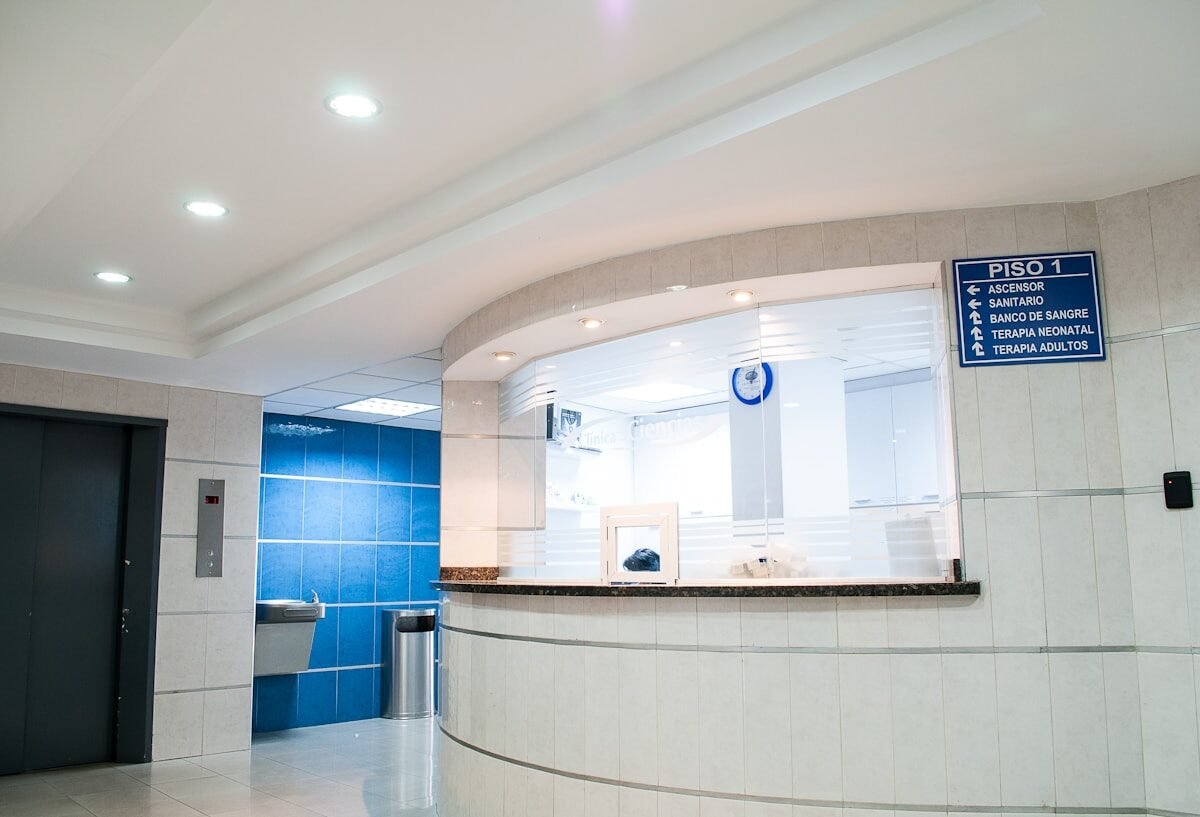
Healthcare demands vary between patient wards, mechanical rooms, and critical clinical suites. Equipment must maintain strict negative/positive pressure cascades, terminal pathogen capture, ultra-low operating noise, and uninterrupted domestic hot water.
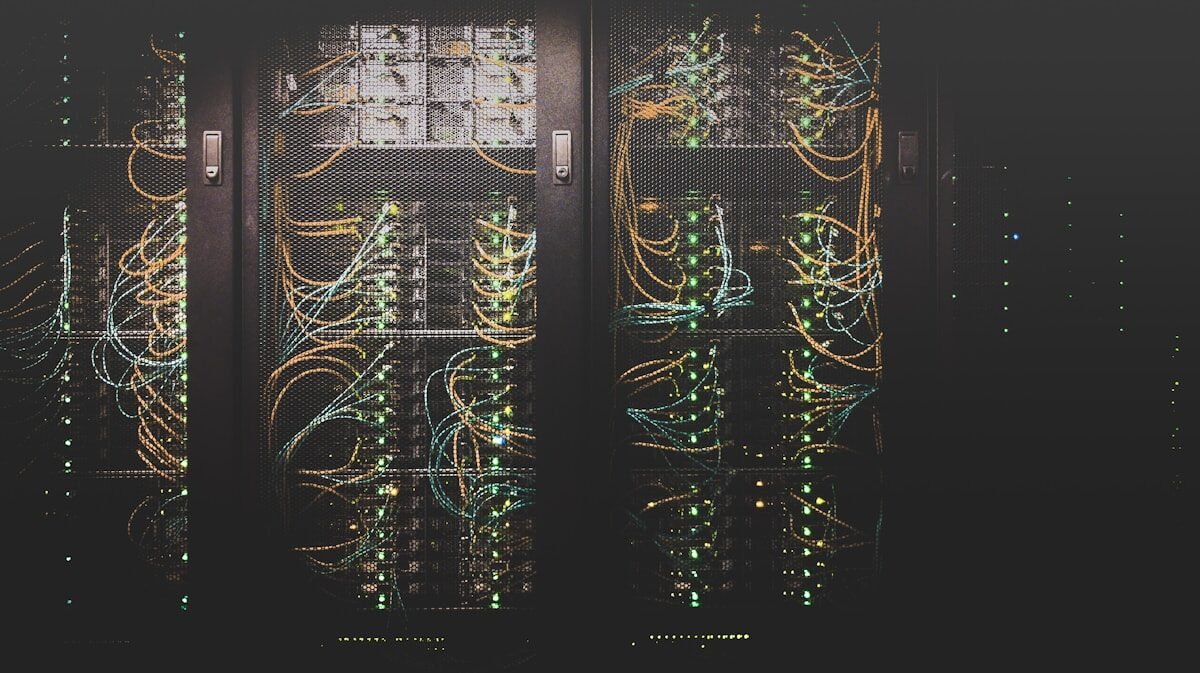
Cooling is only half the battle in data centers and refinery control rooms. Ambient air often carries acidic gases (H2S, SO2, Cl2) that corrode circuit boards. We distinguish between particulate filtration and chemical molecular adsorption to achieve ISA 71.04 Class G1 compliance.
Controlled cleanroom environments rely on sequential resistance management. Upstream stages protect expensive HEPA/ULPA media, extending service life while keeping total fan energy consumption within design thresholds.

Industrial processes create hazardous, flammable, and corrosive atmospheres. We provide spark-resistant explosion-proof fans for Zone 1/Zone 2 alongside chemical exhaust scrubbers and 316L stainless isolation dampers.

Tunnel ventilation requires rigorous calculation of vehicle emissions, CO/NOx dilution, and emergency smoke movement. SDS and SDS(R) reversible jet fans are sized according to tunnel cross-section, velocity profiles, and verified thrust rather than basic duct airflow.
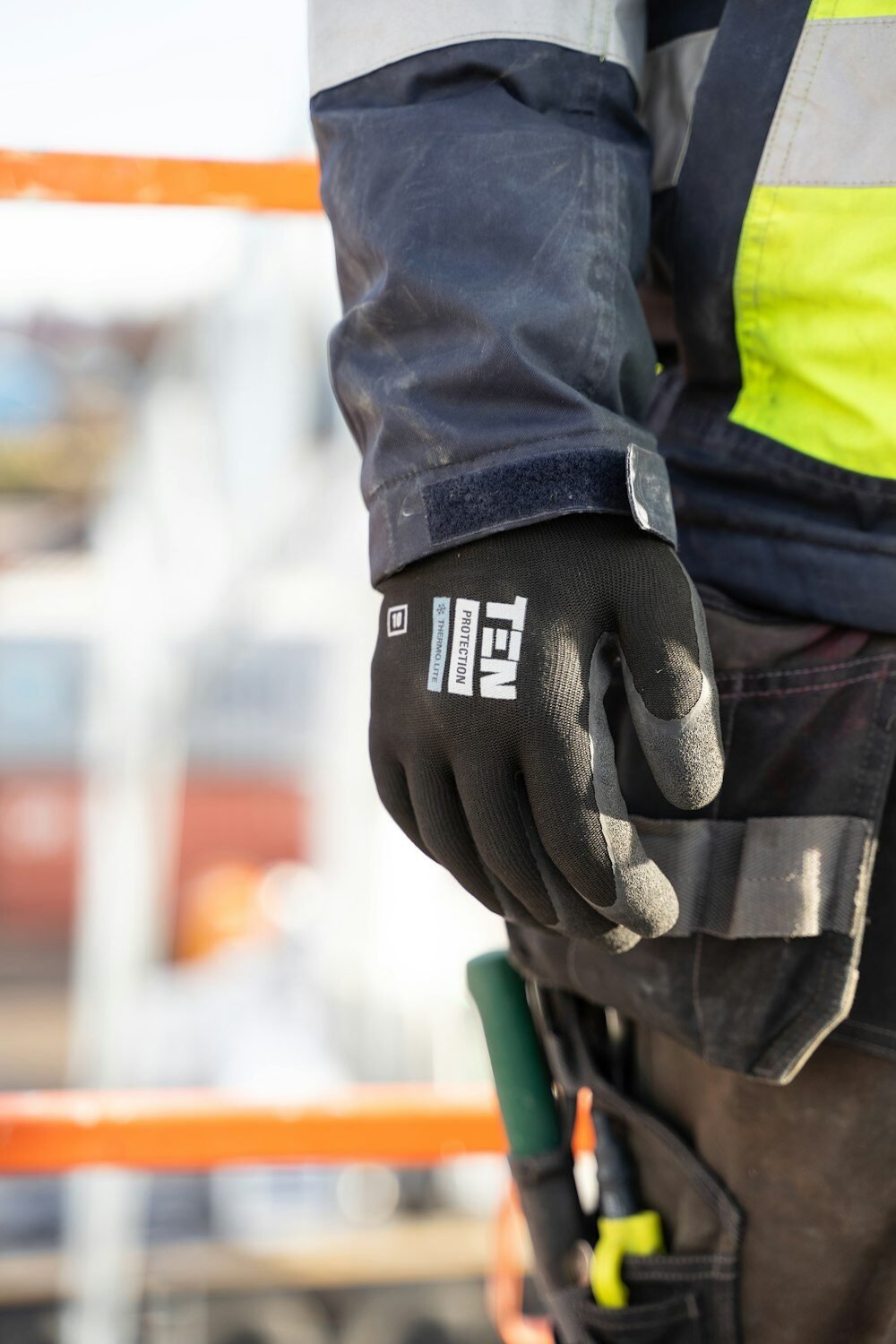
Supply schedules structured by project discipline. Simply provide the basic duty inputs and our engineering team will assemble the matching package.
We maintain engineering continuity from the first duty calculation to final on-site commissioning.
We receive equipment schedules, drawings, duty points, BOQs, or legacy product models. Complete designs are welcome but not mandatory to begin.
We map requirements to appropriate product categories, avoiding the premature constraint of forcing a preselected catalogue model.
Critical variables are validated: Airflow + ΔP for fans, Load + ΔT for exchangers, and Contaminant + Volume for gas filtration.
Detailed specification of casing materials, motors, filtration media grades, pressure ratings, flange standards, and control interfaces.
Comprehensive engineering submittal packages including performance curves, BIM/DWG drawings, and compliance data sheets for consultant approval.
Production with verified hold points: dynamic fan balancing, hydrostatic exchanger testing, filter leak scanning, and material batch tracking.
Export-grade crating, anti-corrosion barrier wrapping, and international freight coordination across EXW, FOB, CIF, or DDP terms.
Ongoing support with installation manuals, remote commissioning guidance, spare parts provision, and maintenance lifecycle advisory.
Many HVAC deficiencies occur at the interface between components. Correctly selecting individual catalogue parts is useless if their operational interaction is neglected.
Maximum freedom to optimize physical footprint, duct aspect ratios, centralized plant layouts, and advanced building management system protocols.
Constrained by fixed duct risers, narrow plant-room access doors, short shutdown windows, and legacy control signals. We supply equipment with custom flange drills and modular split casings to match existing physical and electrical interfaces.
Every approved case study in our project library is published to provide genuine engineering insight for professionals facing similar design challenges.
You do not need a final model list before contacting us. Send whatever project data is currently available, and our engineering team will identify the matching product families and sizing parameters.