YONGFAN HVAC - Premium Header
Engineered HVAC & Industrial Air Systems
YONGFAN HVACYOFAN HVAC Home
Storage Heat Exchangers | U-Tube & Floating Coil | YONGFAN
DHW Buffering · 100–15,000 L · Up to 10 MW

Storage Heat Exchangers: Sized for Peak Hot Water Draw

Storage heat exchangers must balance stored volume, recovery heat rate, water hardness and pressure rating; wrong volume leads to cold showers or oversized boilers.

Compare YONGFAN U-tube storage units (withdrawable flanged bundle, up to 10 MW) and floating-coil storage units (dynamic self-descaling thermal movement) across 100–15,000 L vessel volumes and pressures up to 2.5 MPa.
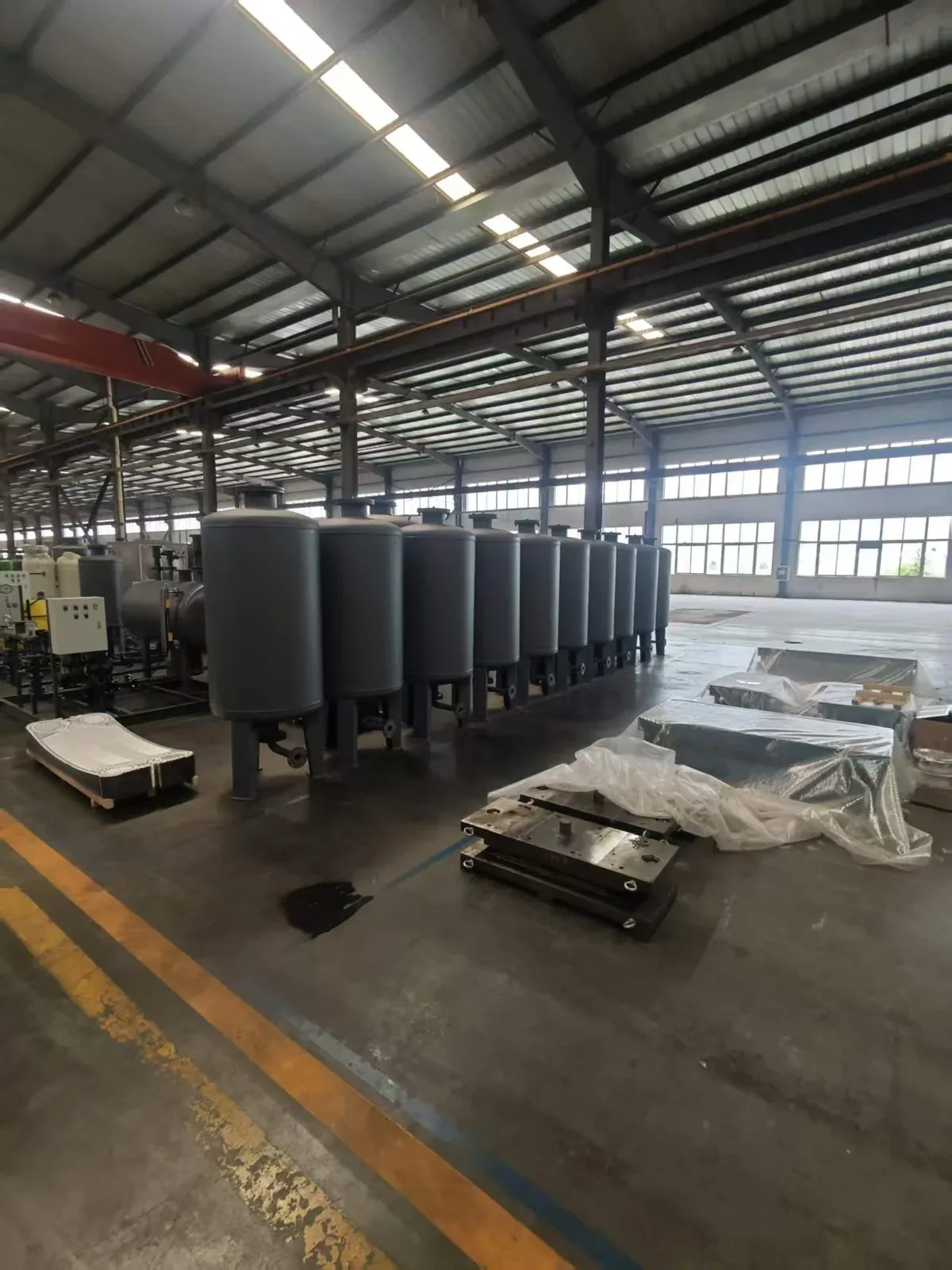
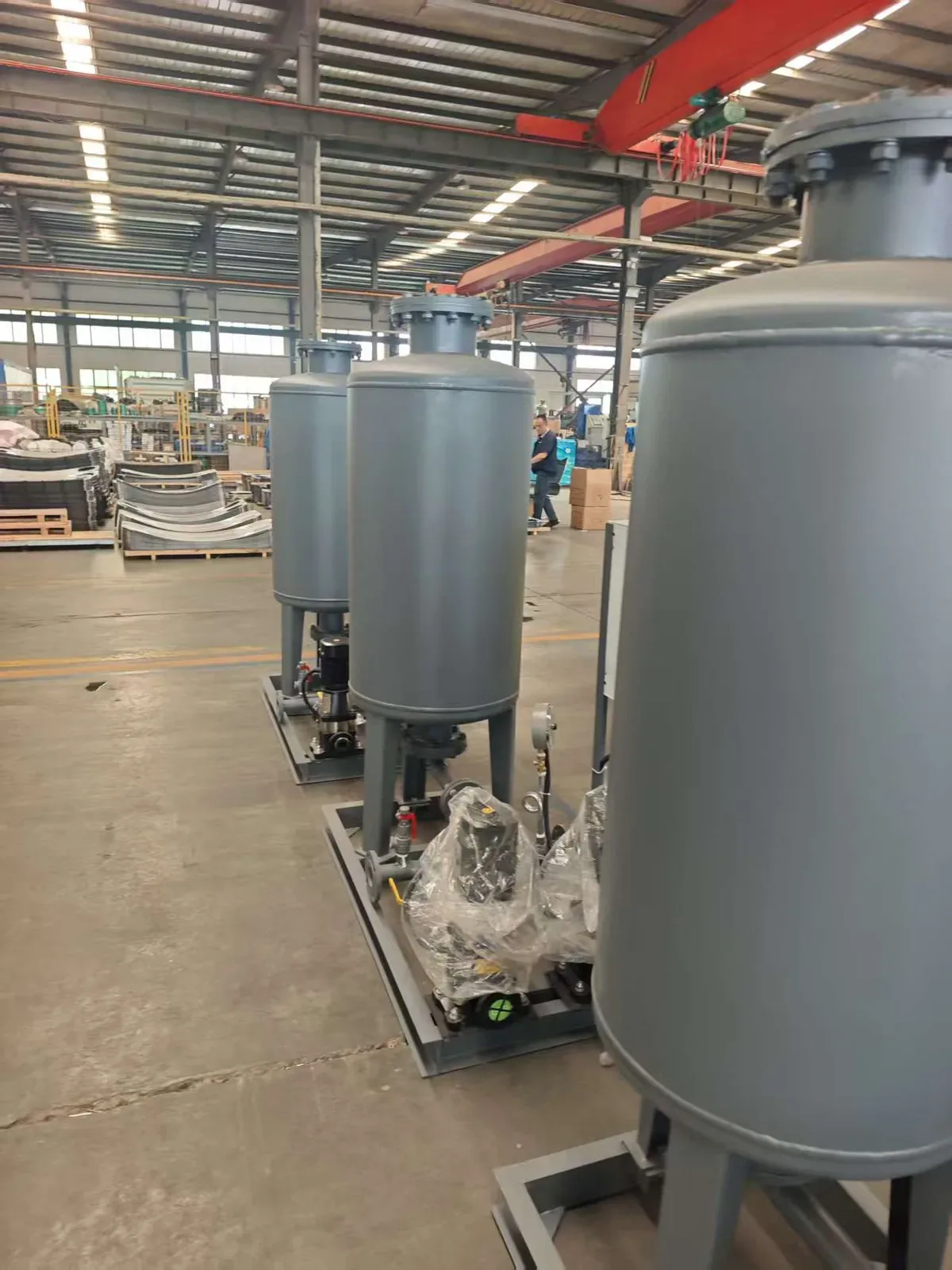
Vessel Volumes 100 – 15,000 L
Thermal Output Up to 10 MW
Pressures 1.0 / 1.6 / 2.5 MPa
Vessel Metallurgy Copper / 304 / 316L / 316Ti
YONGFAN storage-type U-tube heat exchanger
Domestic Hot Water Peak Storage Stored Thermal Volume · Continuous Recovery Heating · Self-Descaling Options
01 / Hydraulic Peak Dynamics

DHW Complaints Begin When Storage Volume Is Sized as Steady State

Hotels, schools, and hospitals don’t draw hot water evenly. 70% of daily consumption occurs during short 30–60 minute morning/evening windows. Without adequate buffer volume, instantaneous systems fail.
YONGFAN floating-coil heat exchanger
Peak Draw Kinetics

Why Stored Liters and Recovery kW Work in Tandem

Per ASHRAE Service Water Heating guidance, peak hour demand, storage buffer capacity, and boiler recovery rate must be solved simultaneously.

Morning Peak Depletion

Sizing storage from average hourly load drains the tank during 7:00 AM hotel shower peaks, sending cold water to guest rooms.

Impact: Severe morning hot water supply shortages

Scale Blinding on Hard Water

Hard domestic water builds calcium scale on stationary tube bundles. Floating coils must be specified for dynamic self-descaling.

Impact: Thermal recovery rate drops by 50%+ in months

Overnight Thermal Stratification

Poor internal vessel baffling creates stagnant cold zones at the bottom of the vessel, promoting bacterial growth and reducing usable volume.

Impact: Reduced usable volume & hygiene non-compliance

Ignoring Pressure Class

Specifying standard 1.0 MPa vessels in tall buildings where hydrostatic static head plus booster pressure exceeds 1.0 MPa.

Impact: Vessel over-pressurization & safety valve discharge

Two Storage Heat Exchange Architectures

Standard storage volumes from 200 to 10,000 L (custom from 100 to 15,000 L).

U-Tube Withdrawable Bundle · Cleanable · Up to 10 MW
Floating Coil Cantilevered Dynamic Coil · Self-Descaling
0.4 MPa Steam 21 – 1,045 kW Heat Exchange Rating
80/60 °C Water 10 – 528 kW Heat Exchange Rating
02 / Configuration Selection

U-Tube vs. Floating-Coil: Choosing the Core

Match the internal heat-transfer surface to your site’s water hardness, available heat source, and maintenance capabilities.
U-Tube Storage Exchanger

Withdrawable Flanged Bundle (Up to 10 MW)

Features a traditional U-tube bundle mounted on a flanged head. The entire tube assembly can be unbolted and withdrawn for direct mechanical inspection, acid washing, or replacement. High thermal capacity up to 10 MW for central institutions.

Capacity Range
Up to 10 MW thermal
Vessel Sizes
100 – 15,000 L
Maintenance
Withdrawable Bundle
Metallurgy
Copper, 304, 316L, 316Ti
Floating-Coil Storage Exchanger

Cantilevered Thermal Movement (Self-Descaling)

The floating coil is fixed at one end while the coil body expands and contracts freely with steam/water temperature cycles. This natural flexing cracks off brittle calcium scale before it binds, making it ideal for untreated hard water, solar thermal, and heat pumps.

Descaling
Dynamic Automatic Shedding
Vessel Sizes
200 – 10,000 L
Best Duty
Hard Water · Solar · HP
Pressure Rating
1.0 / 1.6 / 2.5 MPa
03 / Published Performance Schedules

Storage Exchanger Performance: Steam & Water Basis

Documented standard capacity steps comparing 0.4 MPa saturated steam and 80→60 °C hot-water primary sources.

Steam-Water Storage Duty (0.4 MPa Steam · Cold Water 10 → 60 °C)

Heat Exchanger Area (m²) Published Capacity (kW) Steam Consumption (kg/h) DHW Water Output (L/h)
0.5 m²21 kW35360
1.0 m²42 kW70720
2.0 m²84 kW1401,440
3.0 m²126 kW2102,160
5.0 m²209 kW3503,600
8.0 m²334 kW5605,760
10.0 m²418 kW7007,200
15.0 m²627 kW1,05010,800
20.0 m²836 kW1,40014,400
25.0 m²1,045 kW1,75018,000

Water-Water Storage Duty (Primary Water: 80 → 60 °C · Secondary: 10 → 60 °C)

Heat Exchanger Area (m²) Published Capacity (kW) Primary Flow (m³/h) DHW Water Output (L/h)
0.5 m²10 kW0.45170
1.0 m²21 kW0.90360
2.0 m²42 kW1.80720
3.0 m²63 kW2.701,080
5.0 m²105 kW4.501,800
8.0 m²168 kW7.202,880
10.0 m²210 kW9.003,600
15.0 m²316 kW13.505,400
20.0 m²422 kW18.007,200
25.0 m²528 kW22.509,000
04 / Procurement Protocol

Information Required for Storage Exchanger Sizing

Provide peak hot water consumption, allowable recovery time, primary medium, water hardness, and system pressure.
STEP 01

Peak Draw Volume (L)

Total hot water required during peak hour draw (e.g. 5,000 L in 60 min).

STEP 02

Recovery Window

Allowable tank recovery time between draw peaks (e.g. 60–120 minutes).

STEP 03

Heat Source Parameters

Steam pressure (MPa) or primary water supply & return temperatures.

STEP 04

Water Hardness & P

Hardness (ppm) to select U-tube vs floating coil; design pressure (1.0/1.6/2.5 MPa).

Engineering Handoff

Submit System Data for Storage Exchanger Sizing

YONGFAN engineers will calculate tank volume, internal coil surface area, and provide dimensioned submittal drawings.

Peak Draw: Liters & Window (min)
Storage Volume: 100 to 15,000 L
Primary Medium: Steam vs Hot Water
Type: U-Tube vs Floating-Coil
Vessel Material: 304 / 316L / 316Ti
Design Pressure: 1.0 / 1.6 / 2.5 MPa
05 / Pressure Vessel QA

Pressure Vessel Integrity & Sanitary Welding

Manufactured to GB150 and GB151 standards with dual hydrostatic pressure tests on vessel shell and internal tube bundle.
Vessel QA

1.25× Shell Hydrostatic Test

Every storage vessel shell undergoes 1.25× design pressure hydrostatic verification to guarantee structural integrity.

Bundle QA

Tube-to-Header Testing

U-tube and floating coil assemblies receive independent tube-side pressure tests to verify zero cross-circuit leakage.

Sanitary QA

Potable Passivation

Stainless steel shells and coils (304/316L/316Ti) undergo internal chemical pickling and passivation for drinking water safety.

Corrosion Protection

Sacrificial Anode Rods

Equipped with magnesium or electronic sacrificial anodes to prevent galvanic corrosion on potable water circuits.

Bespoke Nozzle Locations: Custom shell tapping positions, manway access, and dual sensor wells provided per project drawings. Trade Terms: EXW, FOB, CIF, and DDP export shipping with heavy-duty export cradles.
06 / Engineering Knowledge

Storage Heat Exchangers FAQ

Direct engineering answers regarding volume range, floating coil descaling, U-tube cleaning, and pressure ratings.

What vessel volume range is covered?

Standard documented models cover 200 to 10,000 L; project-specific custom units cover 100 to 15,000 L.

How does the floating coil achieve self-descaling?

The cantilevered coil expands and contracts with water temperature changes. This thermal movement cracks brittle calcium scale from the tube surface automatically.

When should I choose the U-tube storage design?

Choose U-tube units when plant maintenance protocol prefers unbolting and withdrawing the complete flanged bundle for direct mechanical inspection.

What pressure ratings are available?

Standard working pressures are 1.0 MPa and 1.6 MPa. High-pressure variants for tall buildings are available up to 2.5 MPa.

Can storage heat exchangers connect to solar or heat pumps?

Yes. Floating-coil storage units are well suited for low-temperature heat sources such as solar thermal collectors and commercial heat pump loops.

What vessel materials are available?

Carbon steel with internal coatings, copper, SUS304, 316, 316L, and titanium-stabilized 316Ti for domestic water hygiene.

07 / Application Boundaries

Storage Exchanger Engineering Boundaries

Understanding when storage heat exchangers are required versus instantaneous plate or packaged units.
Boundary 01 / Space Heating

Not for Closed-Loop Heating

Storage tanks are designed for DHW peak draw. For building space heating, select Packaged Units (ZS/ZW).

Boundary 02 / Steady-State Flow

Instantaneous Options

When hot water demand is steady and continuous, compact Plate Heat Exchangers save plant room space.

Boundary 03 / Steam Pressure

Trap & PRV Requirements

High-pressure steam requires an upstream pressure-reducing station to maintain stable 0.2–0.4 MPa coil inlet conditions.

Boundary 04 / Headroom Limits

Bundle Extraction Space

Horizontal U-tube units require horizontal clearance equal to vessel length for tube bundle extraction during maintenance.

08 / Engineering Handoff

Select the Right Storage Heat Exchanger

Send your peak draw requirements, recovery window, heat source parameters, and water hardness. YONGFAN application engineers will calculate tank volume, internal coil surface, and provide dimensioned submittal drawings.


Volume: 100–15,000 L Thermal: Up to 10 MW U-Tube & Floating-Coil 0.4 MPa Steam / 80/60 °C Water 1.0 / 1.6 / 2.5 MPa Classes 1.25× Hydrostatic Tested
YONGFAN application engineers reviewing storage heat exchanger drawings and peak demand curves
Direct Application Engineering Support
Peak demand curve modeling, recovery calculations & verified GA drawings.