The difficult part of buying HVAC components is rarely finding a product that looks similar on paper. The difficult part is confirming that it will actually work under the airflow, pressure, temperature, filtration, water‑quality, control and installation conditions of the project. That is where YONGFAN focuses.
We combine a broad HVAC component portfolio with application‑based selection, configurable manufacturing, product‑specific testing and international project support — helping contractors, system integrators, distributors and engineering companies move from specification to delivered equipment with fewer unanswered questions.
Because the same size does not mean the same performance. Nominal dimensions are only one part of HVAC selection — a DN valve, a fan, a filter or a heat exchanger can fit the drawing and still fail the actual operating condition. For this reason, YONGFAN prefers to begin with the operating requirement.
A fan can fit the duct and fail to reach the design airflow once the actual system resistance is applied. A filter can fit the frame while creating excessive pressure drop. A heat exchanger can have enough surface area physically, but still miss the required outlet temperature.
This approach reduces one of the most expensive sources of project problems: a component that technically fits, but operationally does not.
Selection considers airflow, static or total pressure, air temperature, noise limit, installation arrangement, and normal, smoke‑exhaust or hazardous‑area duty.
Selection considers airflow, filter stage, efficiency grade, initial resistance, available dimensions, and downstream filter requirement.
Selection begins with heat source, primary and secondary temperatures, required load, flow, medium, pressure and water quality.
YONGFAN is not limited to one isolated accessory category. Our product portfolio spans airside, hydronic and control components — supplied and integrated for commercial and industrial projects from a single platform.
Air filters, HEPA / ULPA filtration, activated‑carbon filtration, FFUs, ventilation fans, fan boxes, smoke‑exhaust equipment, dampers, VAV terminals, distribution plenums, silencers.
Heat exchangers, packaged heat‑exchange units, pressure stabilization, expansion equipment, water make‑up, VFD water supply, water distribution, condensate recovery, water treatment.
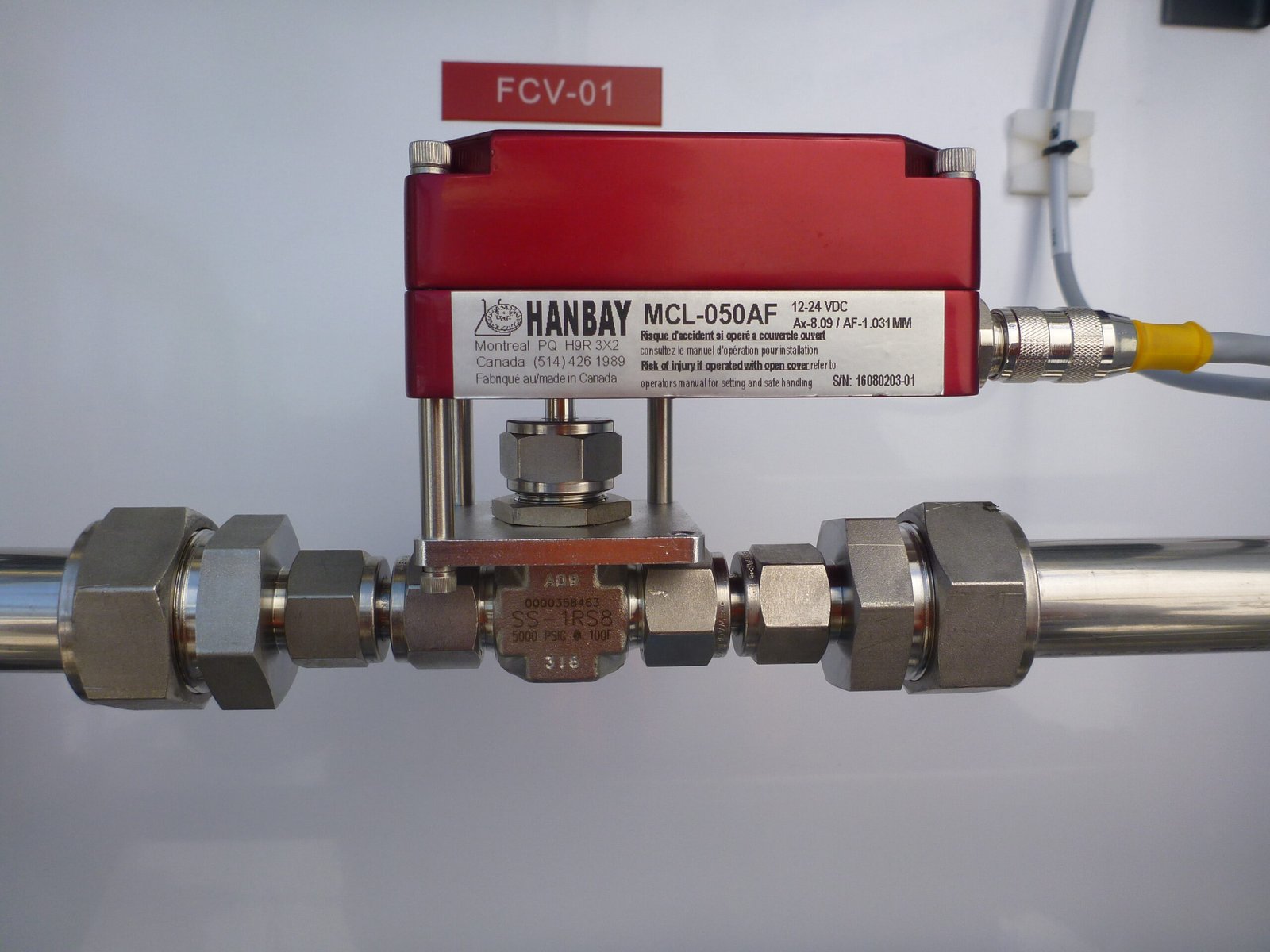
Thermostats, actuators, motorized valves, balancing valves, hydraulic control valves, general HVAC valves and supporting control components.
The filter resistance affects required fan pressure.
Control components change the resistance and operating point of the air system.
Flow, pressure drop and control strategy have to be considered together.
Water quality influences fouling, material selection and long‑term heat‑transfer performance.
A filter, a fan, a heat exchanger and a valve fail for different reasons. Quality control therefore has to reflect the product — not one generic inspection checklist applied to everything.
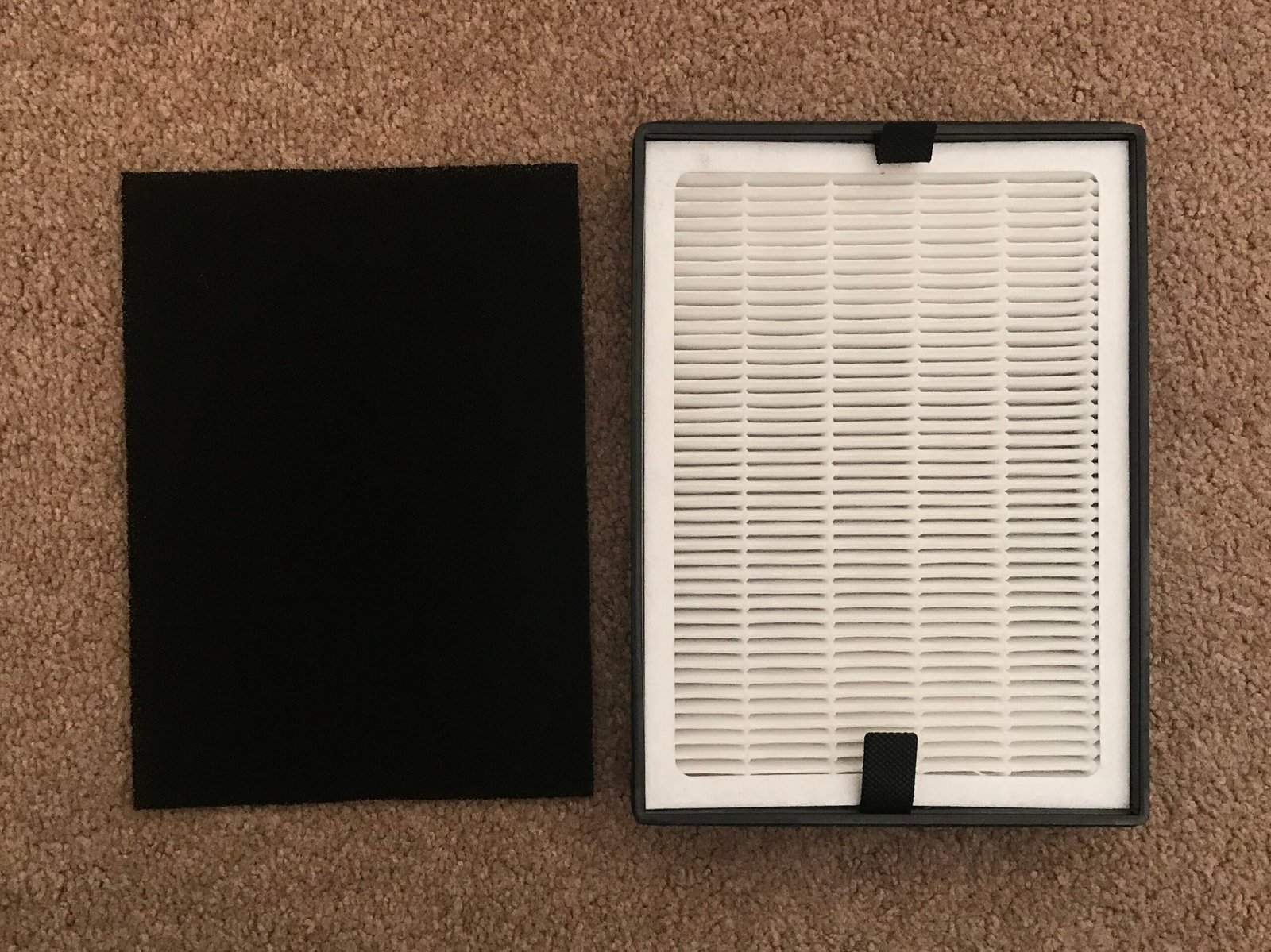
Media specification, pleat geometry, separator spacing, frame dimensions, sealing, efficiency, initial resistance and leakage — checked through incoming media inspection, controlled pack assembly, efficiency/resistance testing, HEPA/ULPA scan testing where applicable, and final labeling for traceability.
Impeller geometry, blade angle, dynamic balance, motor matching, airflow, pressure, current, vibration and noise. Rotating assemblies undergo high‑accuracy dynamic balancing and completed units are run‑tested against rated operating conditions before release.
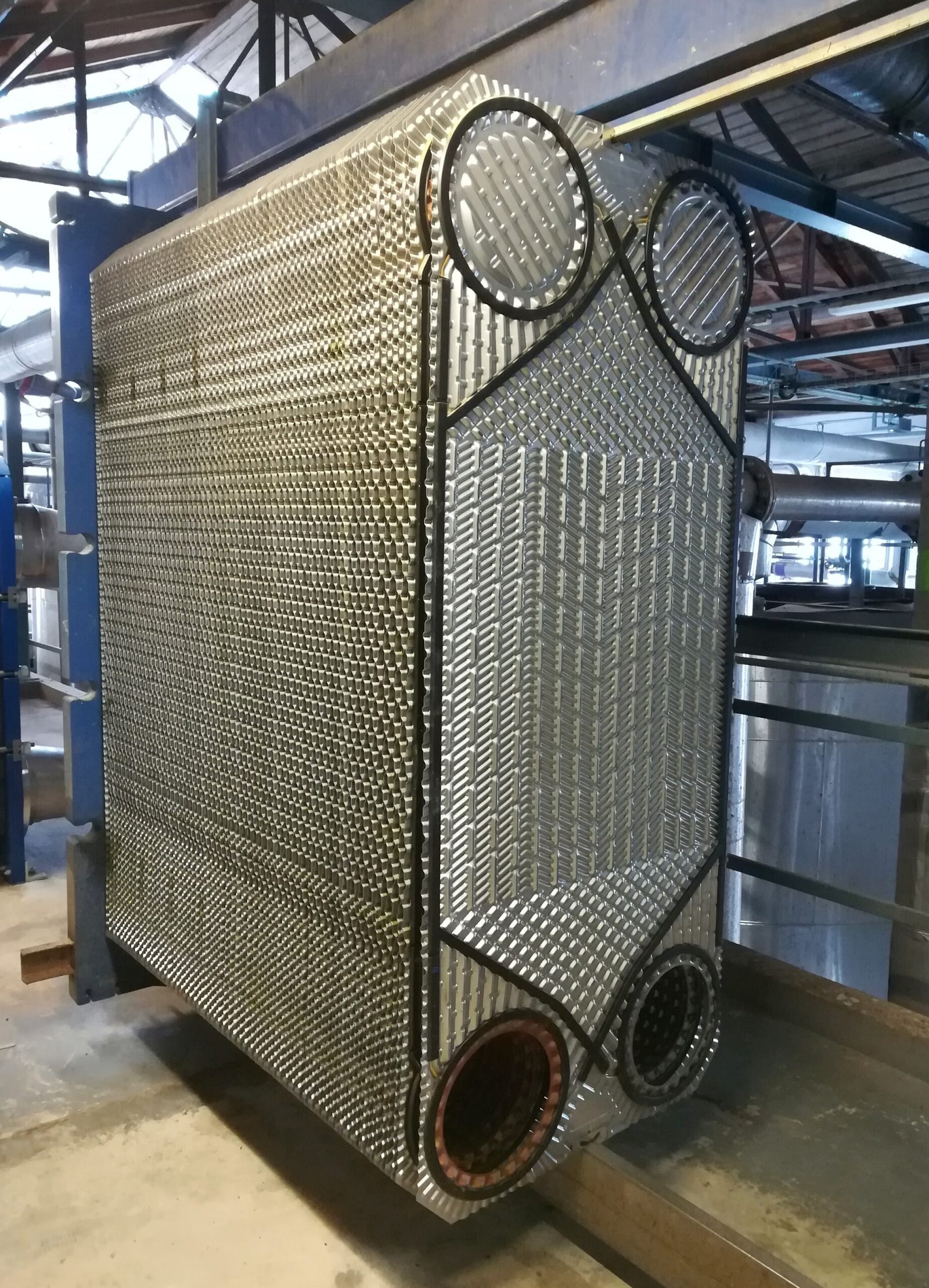
Material, design pressure, welding, heat‑transfer surfaces, leakage, pressure containment and connections — specified according to the medium, referenced against GB150 / GB151, and verified with hydrostatic pressure testing and leak testing.
“Quality control” should describe what is actually controlled — not just say that a factory has inspectors.
Standard where possible. Customized where necessary. Retrofit projects may need an unusual dimension, industrial environments may need a different material, a hazardous area may require explosion‑proof electrical equipment, and a distributor may require a consistent OEM specification.
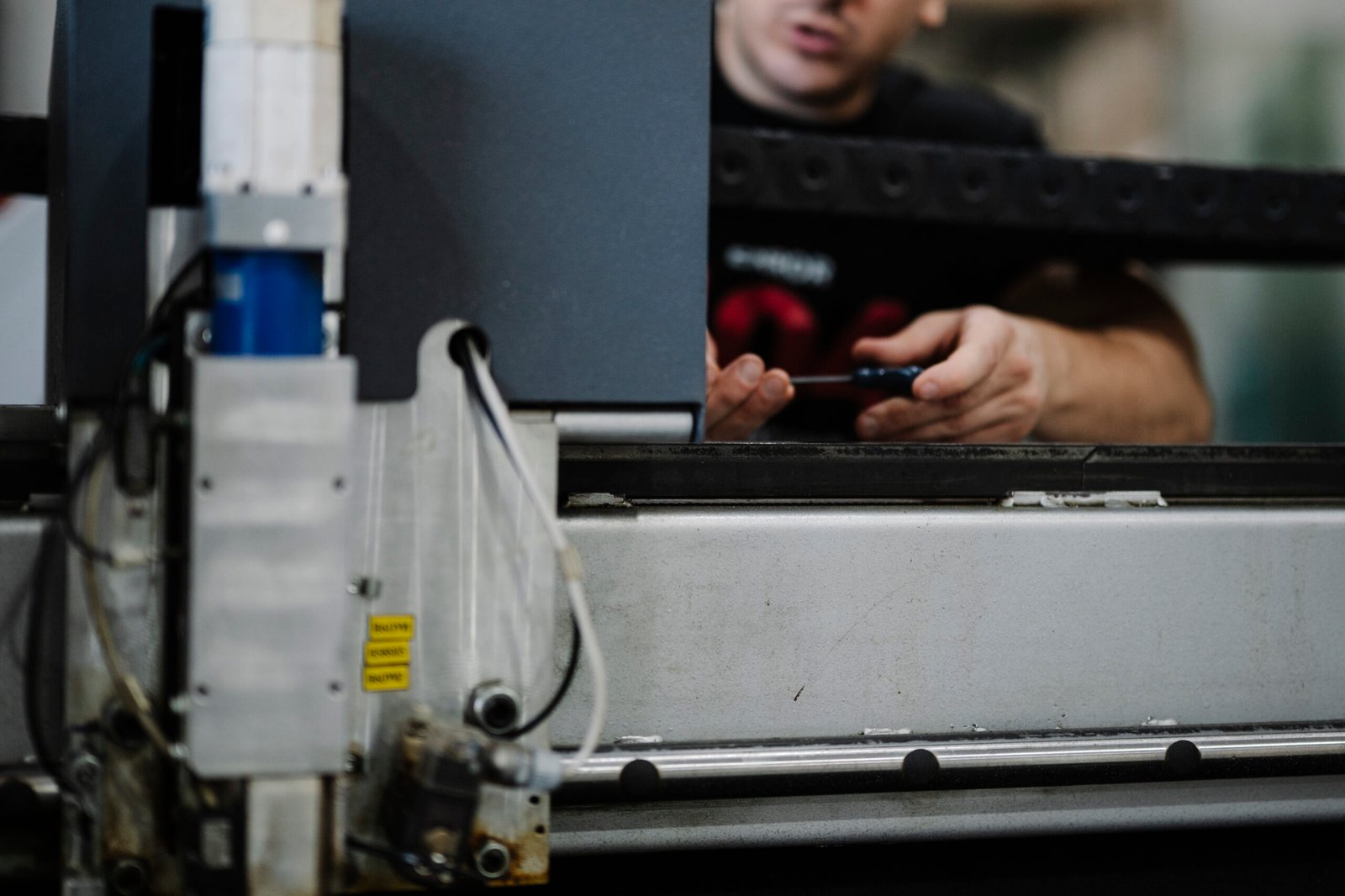
To match existing housings, ducts, plant rooms or project drawings.
Galvanized steel, stainless steel, aluminum or specialist materials according to the product and environment.
Power, speed, high‑temperature or explosion‑proof options where available.
Efficiency grade, media, frame and installation arrangement.
Selected for the actual water‑system operating condition, with actuator, thermostat and valve options.
Product marking, packaging and configuration for distributor partners.
The purpose of customization is practical: reduce field modification and deliver equipment closer to the final installation requirement.
A quotation should not be the first technical check. The lowest‑risk time to solve a selection problem is before production.
Series selection, duty‑point checking, efficiency‑grade selection, material and pressure‑class recommendation, configuration comparison.
Dimensions, performance curves, technical datasheets, equipment schedules, connection information, installation requirements.
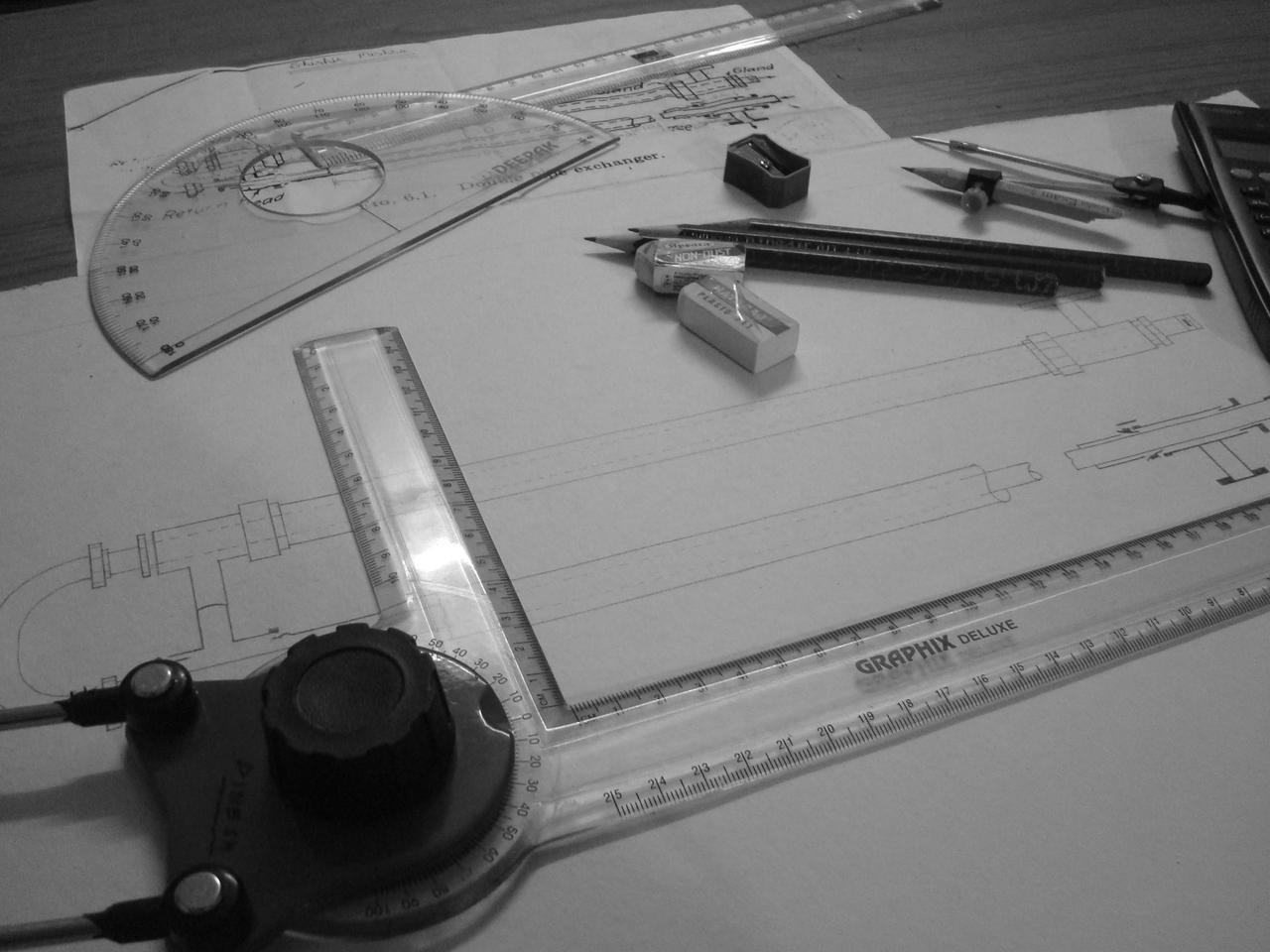
Drawings, submittal information, selection data, configuration confirmation, applicable certificates where available.
From clean air to corrosive industrial atmospheres. Conventional particulate filters capture particles — they cannot solve molecular contamination from gases such as H₂S, SO₂, Cl₂, NOx, NH₃ and VOCs, which can contribute to corrosion of electronics, connectors and instrumentation.
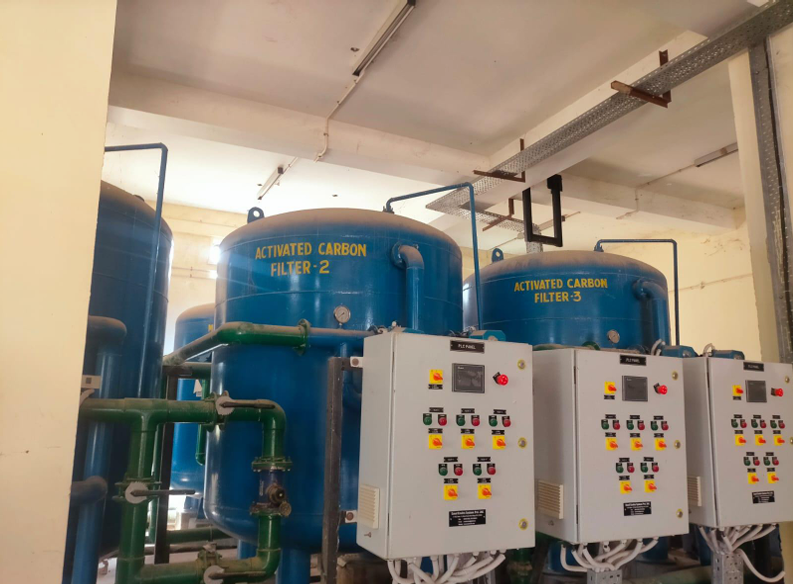
Fresh‑air or recirculation systems used to protect control rooms, server rooms and sensitive equipment.
Industrial exhaust treatment before contaminated air is discharged.
“Air filtration” is not one technology — the correct solution depends on whether the contaminant is a particle or a molecule, and whether the objective is indoor protection or exhaust treatment.
Commercial HVAC is only part of the portfolio. YONGFAN equipment also serves applications where temperature, corrosion, fire safety or hazardous atmospheres change the product requirement.
Selected fan ranges are available for high‑temperature smoke‑exhaust operation.
Explosion‑proof fan configurations for appropriate Zone 1/2 applications, referencing GB 3836 in relevant product documentation.
SDS/SDS(R) tunnel fan documentation supports model selection against tunnel pressure‑drop and effective‑thrust calculations.
Heat‑exchange material options extend to titanium and Hastelloy for appropriate applications.
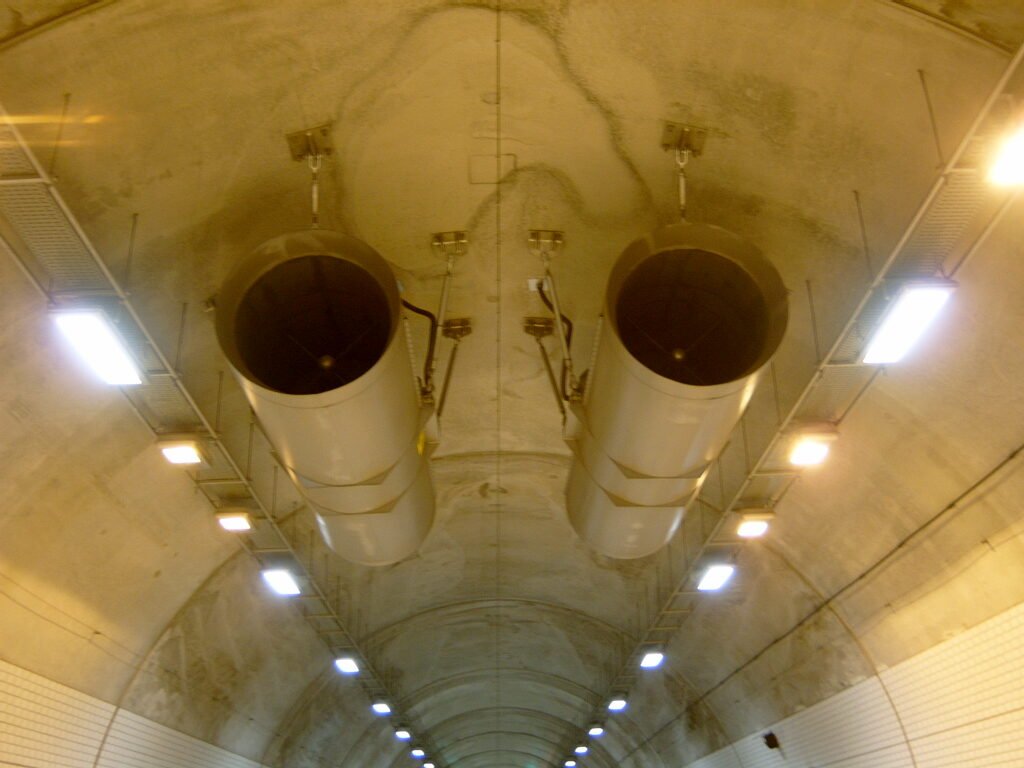
These are applications where selecting by price and nominal dimensions alone creates unacceptable risk.
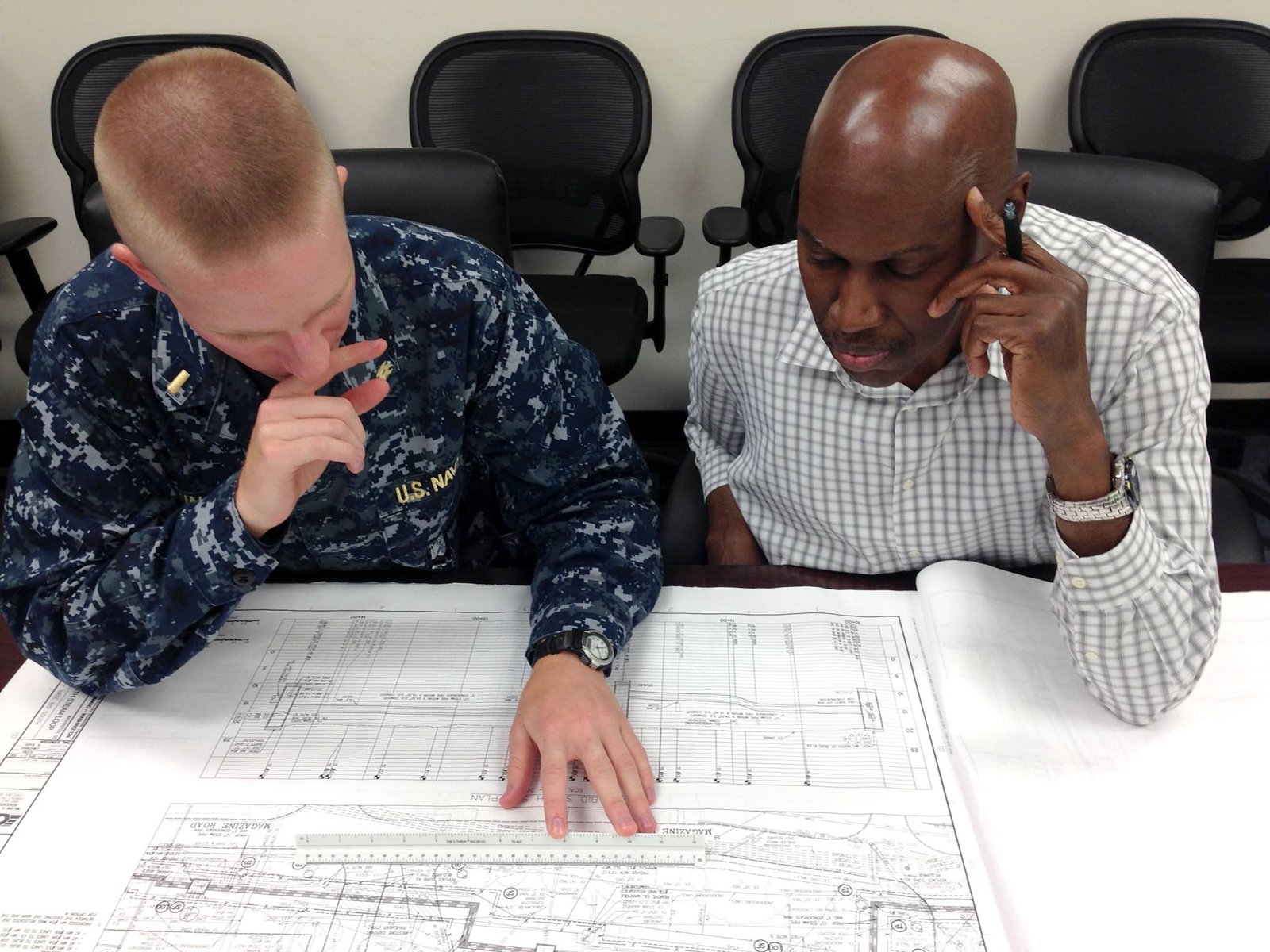
A component cannot move smoothly through a professional project without information. Consultants need to review it, contractors need to install it, procurement teams need to identify it, and commissioning teams need to understand how it should operate.
YONGFAN does not assume that one certification automatically covers every configuration or every market. Product documentation states that specific certificates should be confirmed according to the product, configuration and destination market.
That is a more reliable approach than placing a long list of certifications on every product page without confirming applicability.
From factory to site. The technical questions around HVAC equipment do not disappear when the goods leave the factory.
Remote or project‑specific installation guidance where applicable.
Clarification of product operation, configuration and connection.
Identification of filters, spare parts, components and replaceable assemblies.
Remote technical communication around equipment operation.
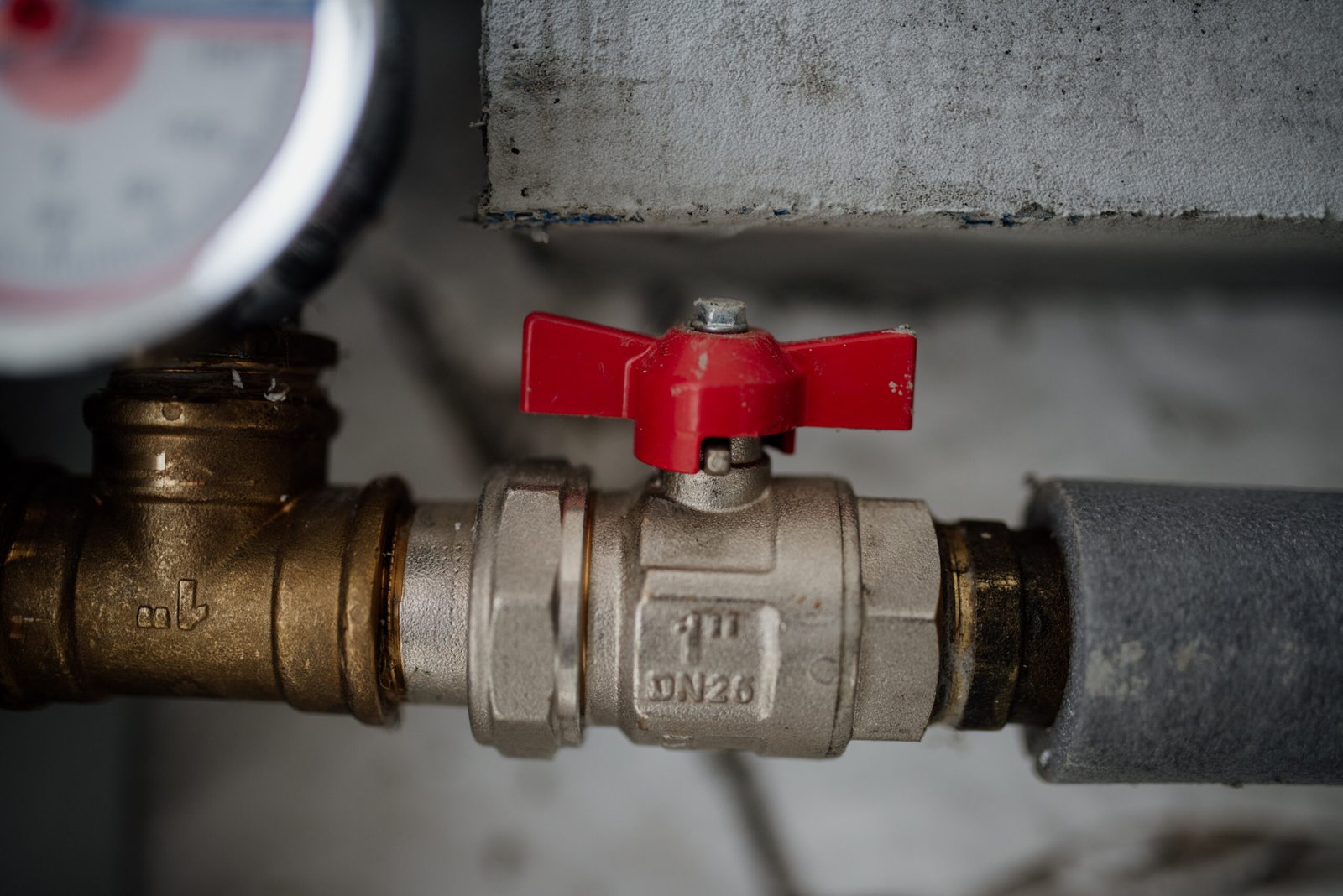
Training: technical and operational guidance for installers, partners and end users on applicable product ranges.
International HVAC supply brings additional practical requirements: packing, commercial documentation, transport, technical communication and delivery coordination.

Protecting equipment and vulnerable components during long‑distance transport.
Commercial and technical documents prepared according to the order.
Working with forwarding partners across sea, air and land transport.
On‑site or virtual factory visits can be arranged for suitable orders.

Need accurate dimensions, configurations and delivery information.
Need operating data, selection logic and documentation.
Need components that work together rather than isolated individual products.
Need repeatable specifications, stable supply and OEM possibilities.
Need maintainability, replacements and equipment appropriate for real operating environments.
Purchase price is only one part of equipment cost. The real cost may also include fan energy caused by unnecessary pressure loss, frequent filter replacement, premature bearing wear from vibration, heat‑exchanger fouling, field modifications, unplanned downtime, replacement labor and difficult access for maintenance.
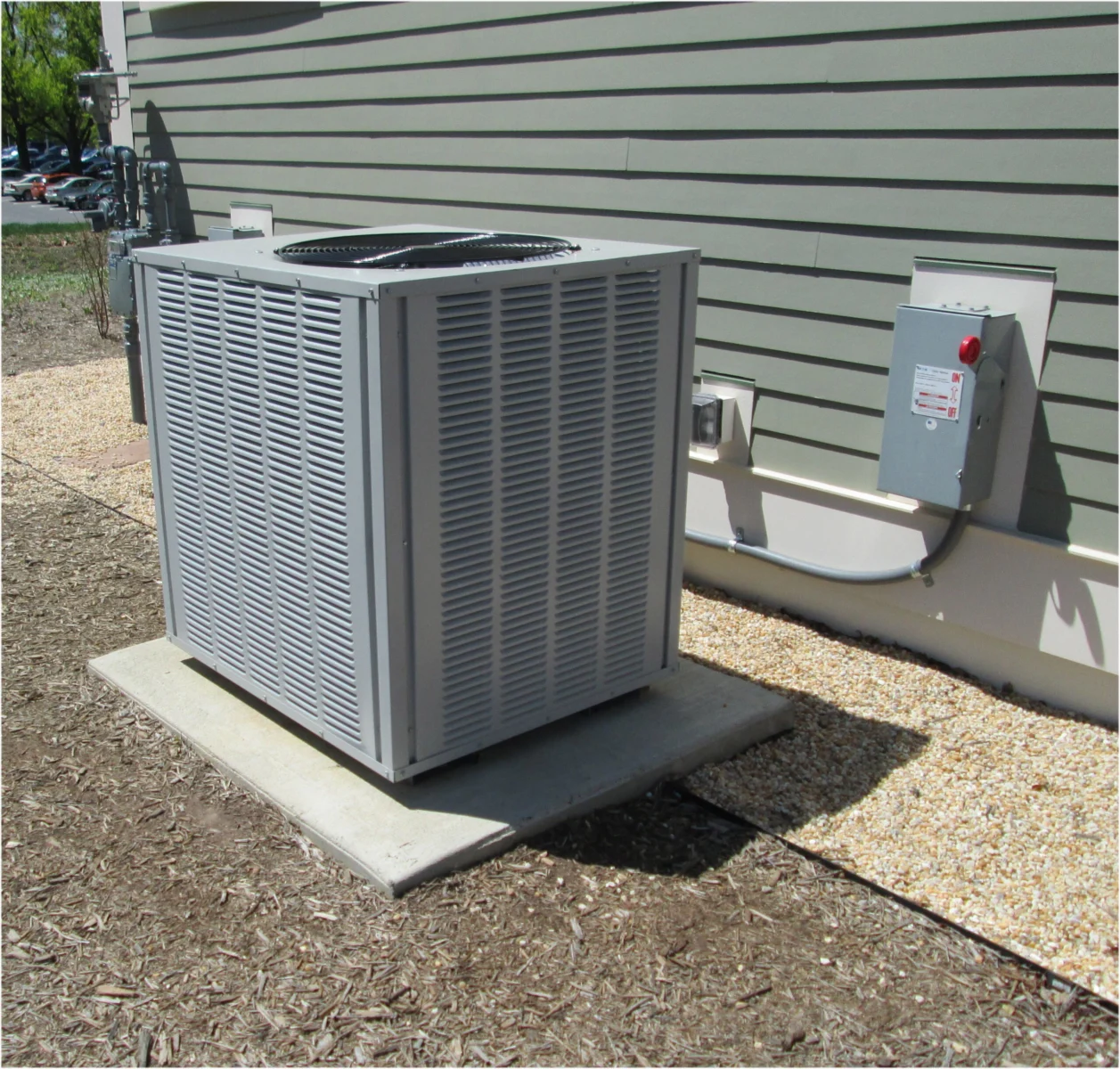
Lower filter resistance reduces the pressure the fan must overcome.
Selected nylon and metal‑mesh products can be cleaned and reused in suitable applications.
Some exchanger types use removable plates or tube bundles to simplify cleaning and maintenance.
Appropriate chemical‑filtration systems allow media replacement; operating a fan near the appropriate duty point reduces unnecessary energy and mechanical stress.
Good engineering does not mean adding the most expensive option. It means avoiding unnecessary cost over the life of the equipment.
A credible supplier should also be willing to say when information is incomplete.
“Final specifications are confirmed by model, configuration and project requirement.”
For equipment where project conditions materially affect performance, we prefer to confirm the operating requirement before finalizing the product — creating a more reliable relationship between what is quoted, what is manufactured and what eventually operates on site.
Eight principles behind every quotation, configuration and shipment.
Start from the operating requirement rather than only the model number.
Airside, hydronic and control components under one platform.
Different testing and manufacturing controls for different equipment.
Dimensions, materials, motors, filtration and controls adapted where required.
Selection, drawings, performance information and technical communication.
Cleanrooms, corrosion control, smoke exhaust, hazardous areas and tunnels.
Export packing, logistics coordination and commercial documentation.
Installation guidance, troubleshooting and spare‑parts support where applicable.
A useful enquiry does not have to begin with a product code. Send us the information already available in your project — we will help determine which product family is relevant and which parameters still need to be confirmed before selection.