For HVAC components, “good quality” is not a useful technical specification. A fan should deliver the required airflow and pressure without unacceptable vibration. A filter should achieve its stated efficiency while remaining within the expected resistance range. A heat exchanger should withstand its design pressure without cross-leakage. A chemical-filtration unit should be configured around the target contaminant and required air-quality condition.
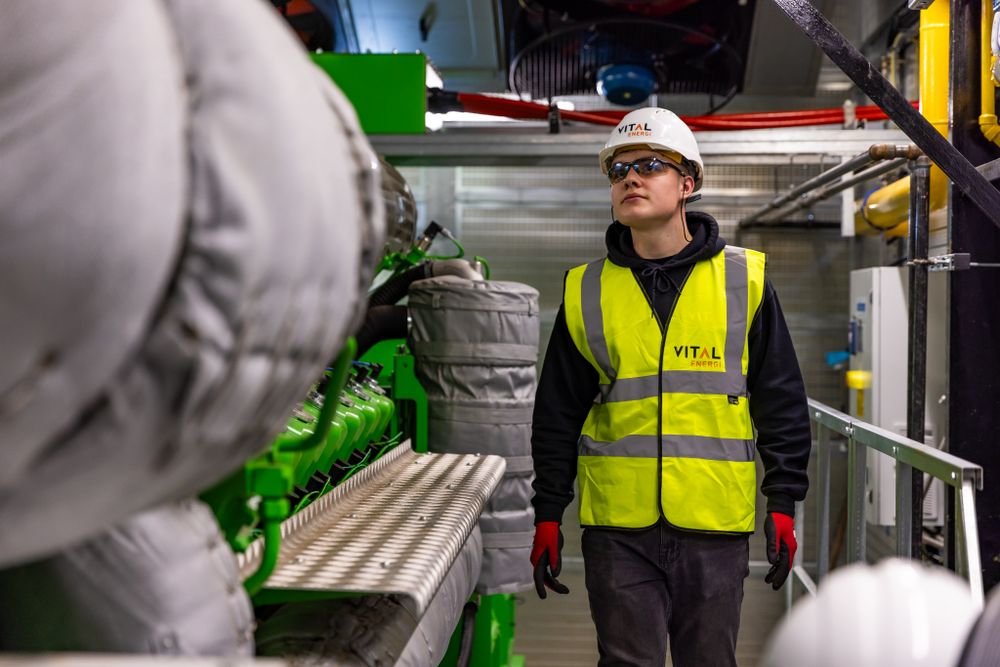
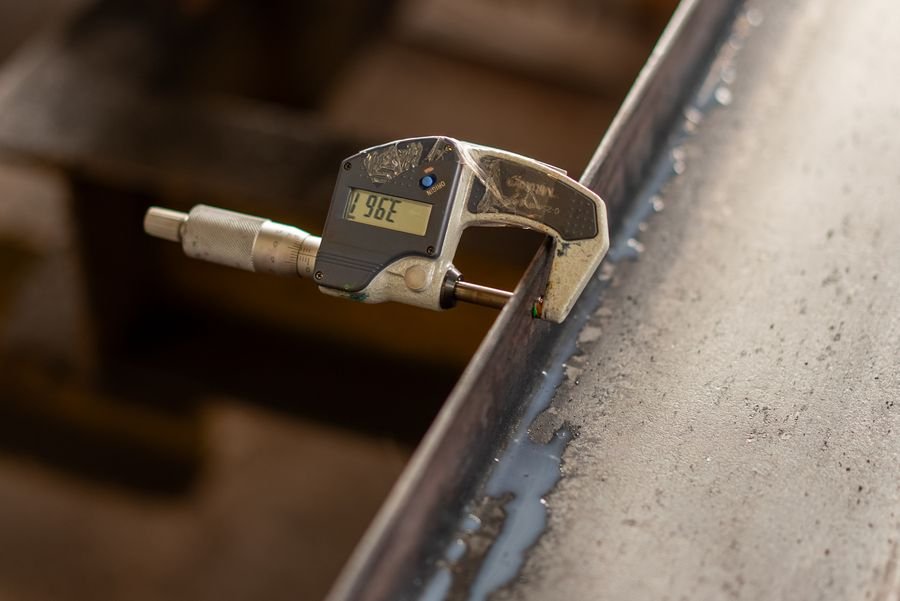
Many product failures begin long before final assembly. An incorrect filter medium cannot be fixed by better packaging. An unsuitable heat-exchanger material cannot be corrected by a final pressure test. An inaccurate impeller cannot be compensated for by a better motor. For this reason, quality control begins with the materials and purchased components entering production.
Inspection at the end of production is necessary, but it should not be the first point at which quality is checked. Different products require different process controls — that is why YONGFAN does not present one generic “QC process” as though it applies equally to every product.
 Air Filtration
Performance can be affected by details that are almost invisible after assembly — media specification, pleat geometry and gel-seal integrity all change airflow behaviour.
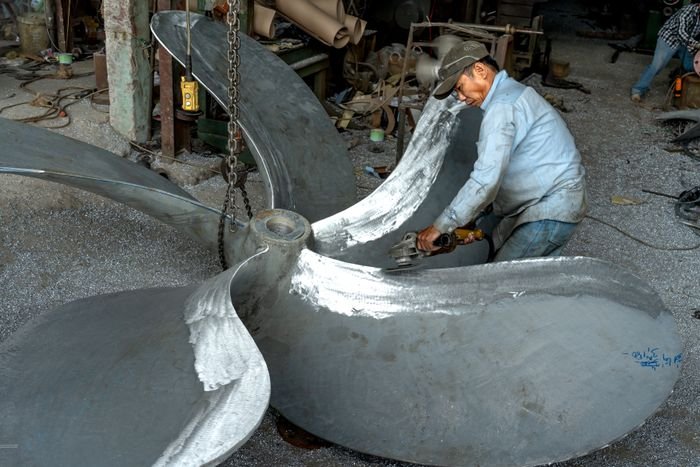 Ventilation Fans
Rotating assemblies are dynamically balanced before completed equipment is released. Poor balance increases bearing load, vibration and mechanical stress over the operating life.
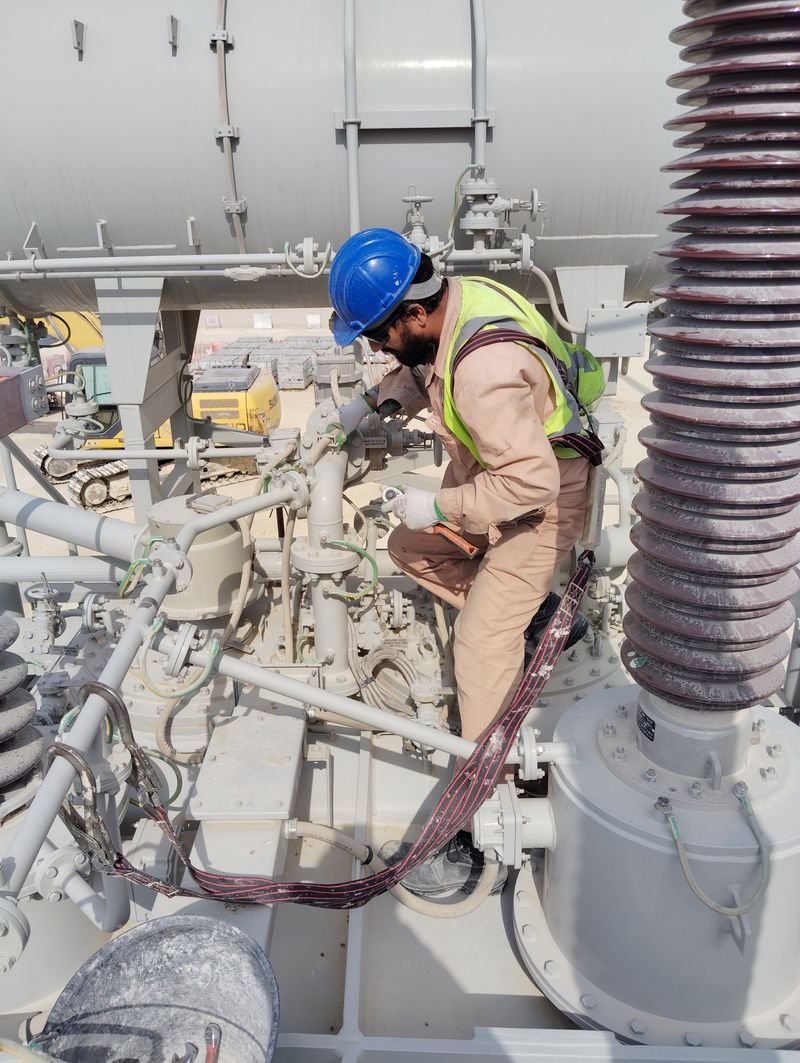 Heat Exchange Equipment
Manufacturing controls focus on pressure containment and leak-tight construction — a fundamentally different discipline from fans or filters.
The purpose of testing is not simply to generate a certificate — it is to confirm the characteristics that determine whether the product will perform correctly in the project.

A filter is not defined by efficiency alone. A higher-efficiency product that introduces excessive pressure loss can create problems elsewhere in the HVAC system. YONGFAN filtration testing therefore considers both filtration performance and resistance. HEPA/ULPA products are documented as receiving scan testing for pinhole leakage and frame-seal integrity before release. Final inspection also includes dimensions, gasket condition, packaging and model/grade/size identification.

YONGFAN documentation specifies pre-delivery operating verification across the parameters relevant to the fan. Completed fan units are run-tested against rated operating conditions, while rotating assemblies are dynamically balanced as part of the manufacturing process. Additional verification may apply to high-temperature smoke-exhaust duty, explosion-proof construction, motor insulation, temperature rise and IP protection where relevant.
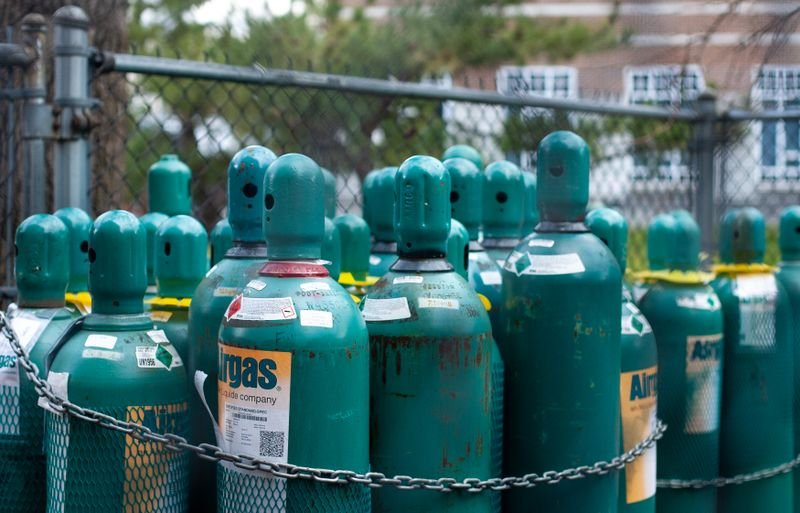
Heat exchangers and selected hydronic products include pressure-bearing structures. For these products, leakage and pressure integrity are fundamental acceptance criteria — vessel and heat-transfer sections are tested at 1.25 × design pressure in the documented exchanger range, with cross-leak verification ensuring primary-side media cannot leak into the secondary or stored-water side.
Traceability becomes especially important when equipment is installed in industrial plants, infrastructure, cleanrooms, mechanical rooms, or long-term OEM programs. Depending on the product, identification may include model, size, grade, configuration, serial number, working pressure, manufacture information and order-specific specification.

YONGFAN supplies several very different categories of HVAC equipment. There is therefore no single technical standard that can represent the complete portfolio. Applicable standards depend on product family, configuration, intended duty, destination market and project specification.
Current general-ventilation filter documentation references classification frameworks for general ventilation filters, with legacy terminology still appearing in existing product data for G- and F-class filters, alongside Chinese national standards for performance and resistance.
Relevant fan documentation references explosion-protection requirements for applicable Ex-rated configurations, building and underground/garage smoke-exhaust duty standards, sound-power measurement and motor requirements applied according to motor type and specified ingress-protection rating.
Where a high-temperature smoke-exhaust configuration is specified, relevant documentation identifies 280°C / 30 min emergency duty for applicable models only — this rating should not be associated with every YONGFAN fan.
YONGFAN heat-exchange documentation references pressure-vessel design and fabrication requirements together with heat-exchanger design and inspection requirements. The documented product range includes 1.0 / 1.6 / 2.5 MPa pressure classes depending on the specific product, with hydrostatic and leakage testing requirements confirmed per selected equipment.
Specialized chemical-filtration equipment operates under a different compliance framework from ordinary particulate filters. Current source documentation references environmental severity and corrosion-control targets for sensitive electronic environments, flame-retardancy requirements for chemical media, design/production quality management, and safety data documentation.
These claims remain attached to the relevant chemical-filtration product documentation and should not automatically be presented as certifications covering every YONGFAN product.
This table is a guide to the current product documentation. The final applicable standard must always be confirmed against the exact model, configuration and destination market.
| Product Family | Typical Verification Focus | Referenced Standards / Methods |
|---|---|---|
| General Air Filters | Efficiency, resistance, dimensions | ISO 16890, EN 779 terminology, GB/T 14295 |
| HEPA / ULPA Filters | Efficiency, MPPS, leakage, sealing | MPPS / scan testing as applicable |
| Ventilation Fans | Airflow, pressure, current, vibration, sound | ISO 3744, IEC/GB motor requirements |
| Explosion-Proof Fans | Fan performance + Ex construction | GB 3836 for applicable models |
| Smoke-Exhaust Fans | Normal duty + high-temperature emergency operation | Applicable GB fire/smoke requirements |
| Heat Exchangers | Material, pressure, leakage, dimensions | GB 150 / GB 151 |
| Chemical Filtration | Gas removal / corrosion-control performance, media safety | ISA 71.04 and product-specific documentation |
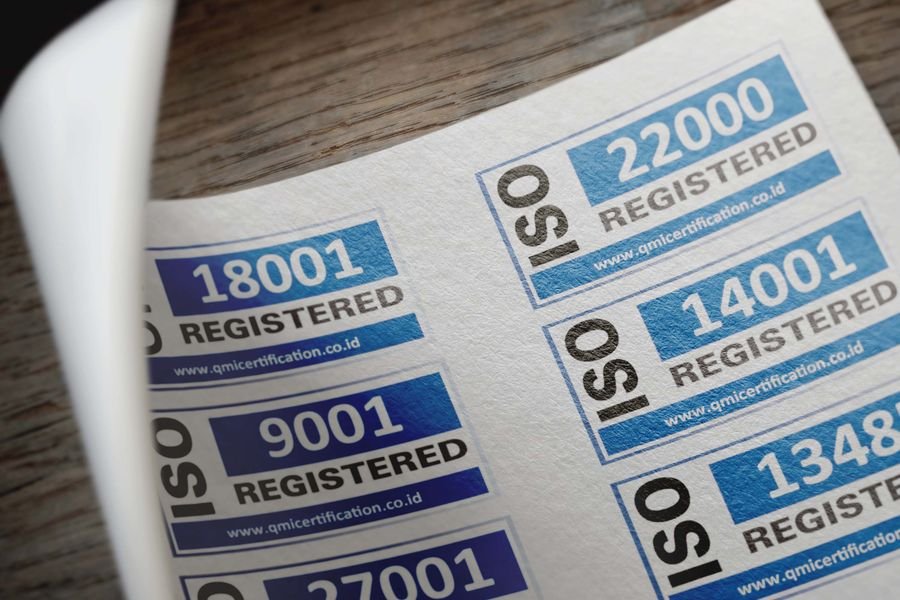
A large industrial supplier may offer dozens of different product types, manufactured to different standards, under different test methods, for different markets, and with different optional constructions. YONGFAN’s current fan and filtration documentation therefore repeatedly states: specific certificates are confirmed by order and configuration.

A product may comply with its relevant manufacturing standard and still require additional project-specific checks. International projects can also specify a wide range of additional requirements.
A product can be manufactured correctly, but project teams still need evidence they can review. For pressure equipment, current source documentation specifically states that material certificates and test records are provided with relevant heat-exchanger units.
Performance ranges and operating limitations.
Dimensions, connections and installation interfaces.
Fan curves, filtration data or equipment capacity information.
Material grade and relevant supporting documents.
Pressure tests, performance checks or other product-specific records.
Applicable product or component certification per order.
Installation, operation and maintenance information.
Model and technical identification for installed equipment.
Final inspection is the last opportunity to identify a mismatch between the order and the equipment being shipped. For ventilation products, current documentation specifies final checks of appearance, wiring, fasteners and packaging before release. For filters, dimensions, gasket condition and packaging are part of the documented final inspection. For pressure equipment, nozzle dimensions and connection positions are checked against drawings before dispatch.
OEM and project-specific products create an additional quality challenge: there may be no standard catalogue unit to compare against. The approved project configuration therefore becomes the manufacturing reference.
Inspection should not only separate acceptable products from unacceptable products — it should also improve future products. Recurring dimensional variation, excessive resistance, vibration trends, sealing weaknesses, material issues, installation difficulties or unclear specifications can all feed back into the engineering cycle.
Findings translated into design updates.
Process controls adjusted accordingly.
Revised parameters verified against duty.
Confirmed changes carried into future production.
For YONGFAN, quality is not defined by a single logo or certificate. It is the combination of seven connected disciplines.
The equipment must suit the operating condition.
Materials must suit the environment and medium.
Critical production characteristics must be managed.
Parameters that determine performance must be verified.
The supplied equipment should remain traceable.
Standards and certificates must match the product and market.
The project team should be able to verify what is supplied.

Compliance requirements vary between products and countries. Our team can confirm which documents are available for your configuration and identify any requirements that need to be addressed before production.