You do not need to know the YONGFAN model number to begin. Start with what your project needs to achieve — whether moving high-volume air, controlling individual zones, capturing sub-micron particles, eliminating corrosive molecular gases, or balancing complex hydronics.
Choose the primary functional challenge closest to your project parameters.
Ventilation, high-volume exhaust, circulation, positive pressure, or tunnel thrust.
Fire/smoke isolation, zone regulation, VAV distribution, airtight shut-off & acoustic balancing.
G1–U17 coarse pre-filtration, synthetic pocket filters, HEPA/ULPA, FFU & terminal cleanrooms.
Gas-phase corrosion protection (ISA 71.04 Class G1), H2S/SO2 adsorption & industrial exhaust treatment.
Plate/tube heat exchangers, packaged skids, domestic hot-water storage & high-rise direct mixing.
Expansion & degassing, automated make-up, VFD booster sets, headers & condensate recovery.
Electronic/induction scale prevention, physical water softeners & cyclone separators.
Smart thermostats, actuators, PICV balancing, hydraulic pilot valves & BMS automation.
Choose this path to provide fresh air, remove process heat, exhaust airborne contaminants, overcome duct static pressure, or deliver emergency high-temperature smoke control.
Engineered for high airflow volume at low to moderate system static pressures with aerodynamically optimized impellers.
Combines axial flow compactness with the superior pressure development of a centrifugal wheel, fitting tight ceiling voids.
Delivers substantial pressure capability to overcome complex, long-run duct networks, silencers, and multi-stage filtration banks.
Direct roof-level exhaust units featuring aerodynamic rain hoods, bird guards, and corrosion-resistant coatings for harsh outdoor exposures.
High-velocity impulse ventilation selected strictly on effective thrust (N) and tunnel geometry rather than volumetric airflow alone.
Constructed with non-sparking aluminum/brass liners, flameproof motors, and conductive grounding for classified hazardous environments.
Focuses on precision routing, acoustic comfort, dynamic thermal zoning, airtight shut-off, and certified life-safety fire isolation across the duct network.
Thermal-link and motorized fire dampers designed to compartmentalize zones and prevent smoke migration during fire emergencies.
Parallel or opposed blade damper assemblies for manual duct commissioning balancing or automated modulating volume control.
Featuring silicone edge seals and thermally broken insulated blades to eliminate condensation and prevent cross-contamination.
Single-duct, dual-duct, or fan-powered VAV boxes with integrated differential pressure flow sensors for demand-based cooling/heating.
Acoustically lined plenum boxes and engineered splitter silencers designed to balance duct velocity and attenuate fan noise.
Determining the exact filtration stage is crucial: coarse pre-filters extend the service life of expensive downstream stages, while terminal HEPA/ULPA units achieve sub-micron purity.

Pleated panel, washable metal mesh, and synthetic coarse pads engineered for ultra-low initial resistance and high bulk dust capture.
Synthetic and microfiber pocket/bag filters designed as critical intermediate stages ahead of cleanrooms or high-occupancy AHUs.
Micro-glass and PTFE membrane filters with gel or gasket seals, tested under EN 1822 for MPPS particulate capture in critical spaces.
Self-contained Fan Filter Units with integrated EC backward-curved impellers, providing localized laminar flow without oversized central ducting.
A finer particulate filter cannot capture molecular gases. Industrial facilities must address corrosive gases (H2S, SO2, Cl2, NH3, VOCs) using chemical chemisorption and dry-scrubbing architectures.

Multi-stage deep bed and modular chemical filtration providing clean, pressurized make-up air to prevent corrosive gas infiltration into sensitive spaces.
Continuous internal chemical air scrubbing designed to eliminate indoor-generated contaminants and transient gas ingress from personnel entry.
Heavy-duty granular media scrubbers utilizing custom blended virgin carbon and impregnated alumina for extreme ppm concentrations.
Positioned strictly for environmental exhaust treatment before discharge rather than indoor room protection, scrubbing acids and VOCs.
Never begin solely with exchanger dimensions. Sizing begins with the heat source, inlet/outlet temperatures, thermal kW load, media viscosity, and allowable pressure drop across circuits.
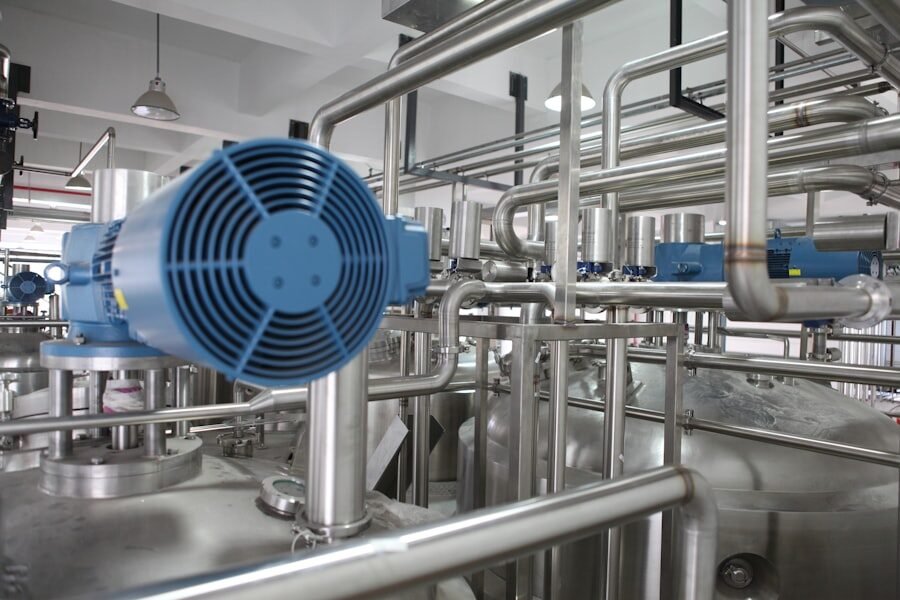
Corrugated stainless steel / titanium plates providing extreme heat transfer coefficients and small physical footprints with full serviceability.
Robust tube bundle construction capable of withstanding severe steam hammer, high thermal shocks, and challenging water chemistries.
Combines instantaneous heat transfer with insulated vessel storage capacity to buffer high peak domestic hot-water demand.
Factory pre-assembled stations integrating heat exchangers, dual circulation pumps, VFDs, sensors, valves, and PLC controls on a single baseframe.
Direct pressure-reducing mixing technology eliminating the need for high-pressure secondary loops in multi-tier high-rise heating schemes.
Closed hydronic loops require dynamic thermal expansion absorption, vacuum micro-bubble deaeration, automated make-up, and energy-efficient condensate recovery.
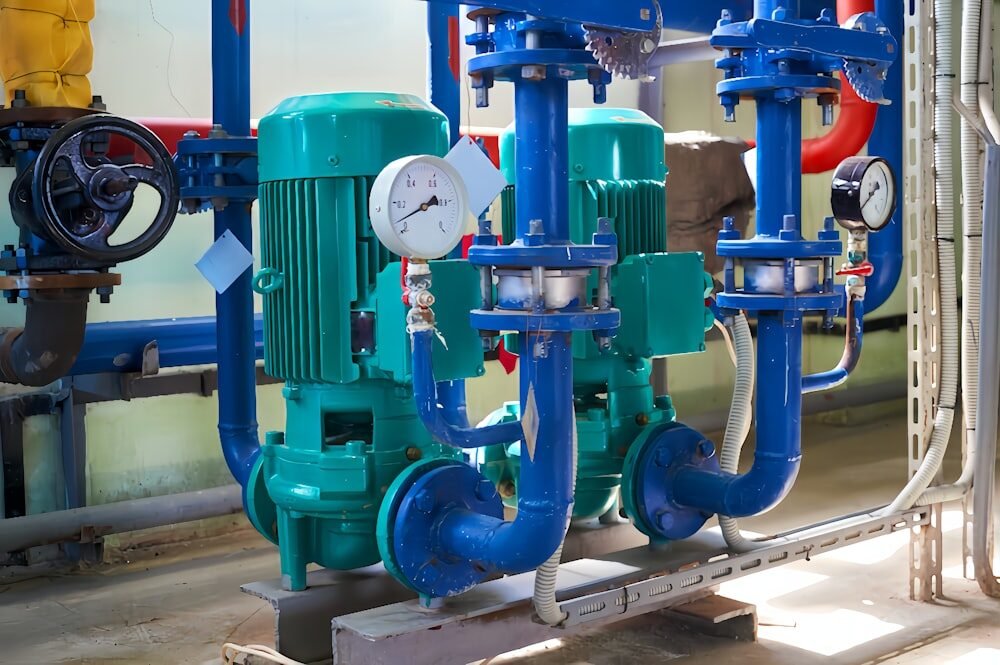
Diaphragm expansion units and pump-controlled pressure-maintenance systems that absorb volumetric swings while preventing cavitation.
Monitors system pressure drops and automatically injects treated make-up water to replenish minor loop losses without water hammer.
Multi-pump variable-frequency booster sets engineered to connect directly to municipal lines without drawing negative inlet pressures.
Custom-welded steel headers and flow balancing manifolds designed for uniform velocity distribution across multiple circuit branches.
High-temperature sealed condensate return stations that pump valuable hot condensate back to the boiler, saving heat energy and treated water.
Prevent scaling, bio-fouling, and corrosion in cooling towers and closed loops without reliance on toxic chemicals that increase operating expenses.
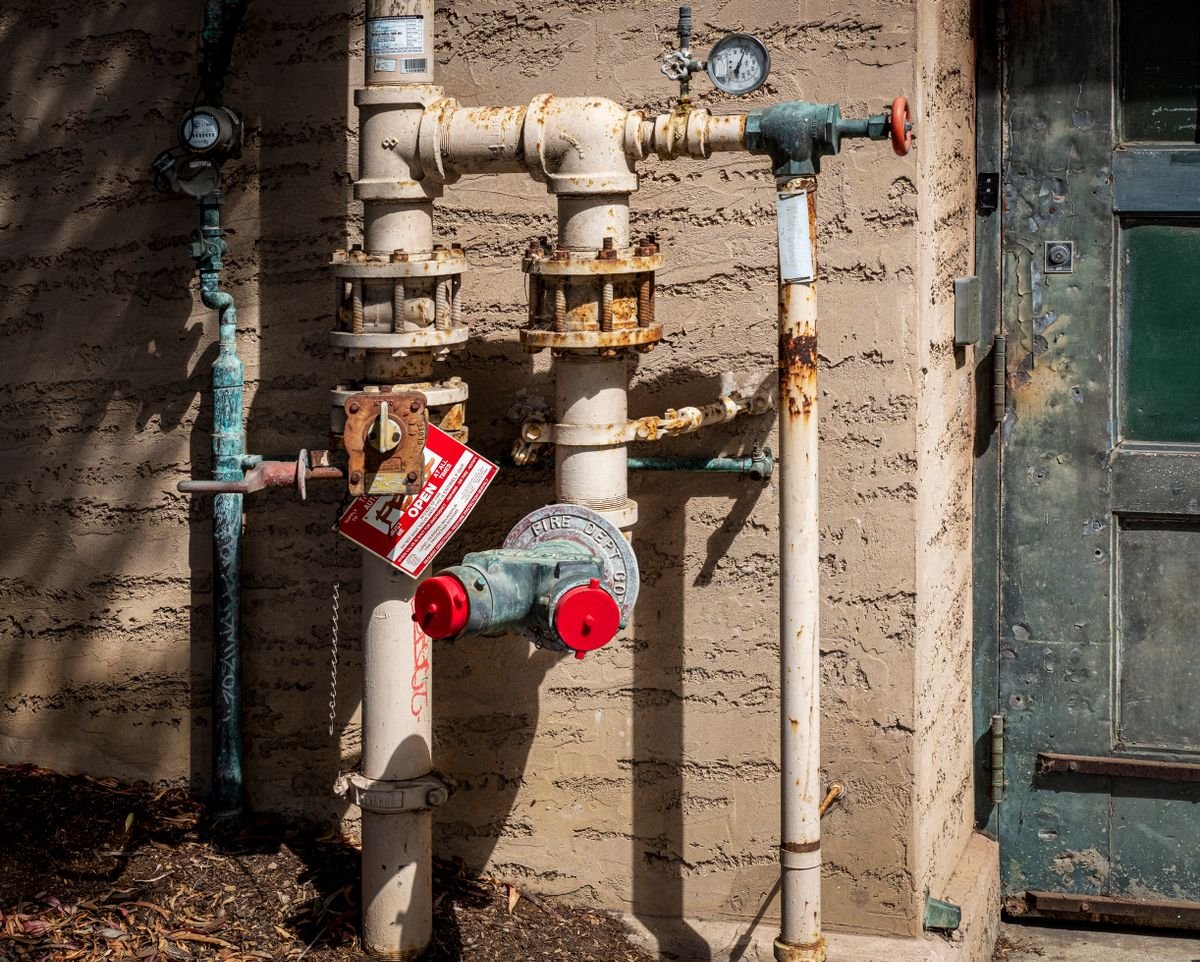
Applies high-frequency electromagnetic fields directly to passing water, altering crystalline calcite scale into soft, non-adherent aragonite.
External signal coils clamped directly around pipework, delivering conditioning without cutting pipework or interrupting system operations.
Automated sodium ion-exchange resin vessels with microprocessor-controlled regeneration to physically eliminate calcium and magnesium ions.
Hydrocyclonic centrifugal separation that removes heavy suspended solids, sand, and grit without filter media replacement.
Translating system logic into accurate physical flow modulation. From fan-coil thermostats to Pressure Independent Control Valves (PICV) and building automation.

Digital touch thermostats controlling water valves and multi-speed or EC fan operations based on room temperature and occupancy.
Pressure Independent Control Valves that maintain exact flow regardless of system pressure fluctuations, ensuring high control valve authority.
Linear and rotary actuators with electronic feedback and optional mechanical spring return fail-safe functionality.
Static orifice balancing valves, pilot-operated pressure reducing valves, and altitude valves for accurate water network balancing.
Wafer butterfly valves, resilient seated gate valves, dual-plate check valves, and Y-strainers for standard plant-room plumbing services.
Different sectors group equipment around distinct operating standards. Explore the typical coordinated equipment packages for your industry.
Recognize common site symptoms and map directly to root-cause equipment solutions.
How YONGFAN narrows complex project parameters to the final certified equipment specification.
Air movement, flow control, particle filtration, gas scrubbing, heat exchange, or hydronics.
Airflow, pressure, temp, target gas concentration, water hardness, or acoustic NC level.
Product Finder isolates the specific engineering architecture suited for the project duty.
Move to Selection Center for duty-point curve calculation, materials, and motor configuration.
Download BIM Revit models, CAD dimensions, wiring schematics, and test certificates.
The Product Finder answers: “Which YONGFAN technology and family should I specify?” It guides you to the correct engineering architecture, ensuring you don’t apply particulate filters for molecular gases or nominal fans for high-resistance systems.
Describe what is happening in your facility. Our application engineers will map your raw operational data directly to the appropriate equipment family.