YONGFAN HVAC - Premium Header
Engineered HVAC & Industrial Air Systems
YONGFAN HVACYOFAN HVAC Home
Commercial Building HVAC Components | YONGFAN
Comfort, Part-Load IAQ & High-Rise Hydronics

Commercial Buildings: VAV Part-Load Control & Staged IAQ Filtration

Commercial HVAC performs reliably only when zone airflow turn-down, indoor air quality staging, high-rise hydraulic zone breaking and acoustic limits operate as one coordinated system.

Compare YONGFAN YFVAV-S-T100 pressure-independent VAV terminals, DTXF quiet cabinet ventilation fans, staged particulate & carbon filtration (ZF7/8), plate heat exchangers for high-rise zone breaking, and dynamic PICV hydronic balancing.

IAQ Standards ASHRAE 62.1-2025 · 90.1
VAV Range 122 to 6,232 m³/h · Ø125–Ø400
Acoustic Edge DTXF −6 to −12 dB(A) Quiet
Hydraulic Scope PHE to 2.5 MPa · JFWP Units
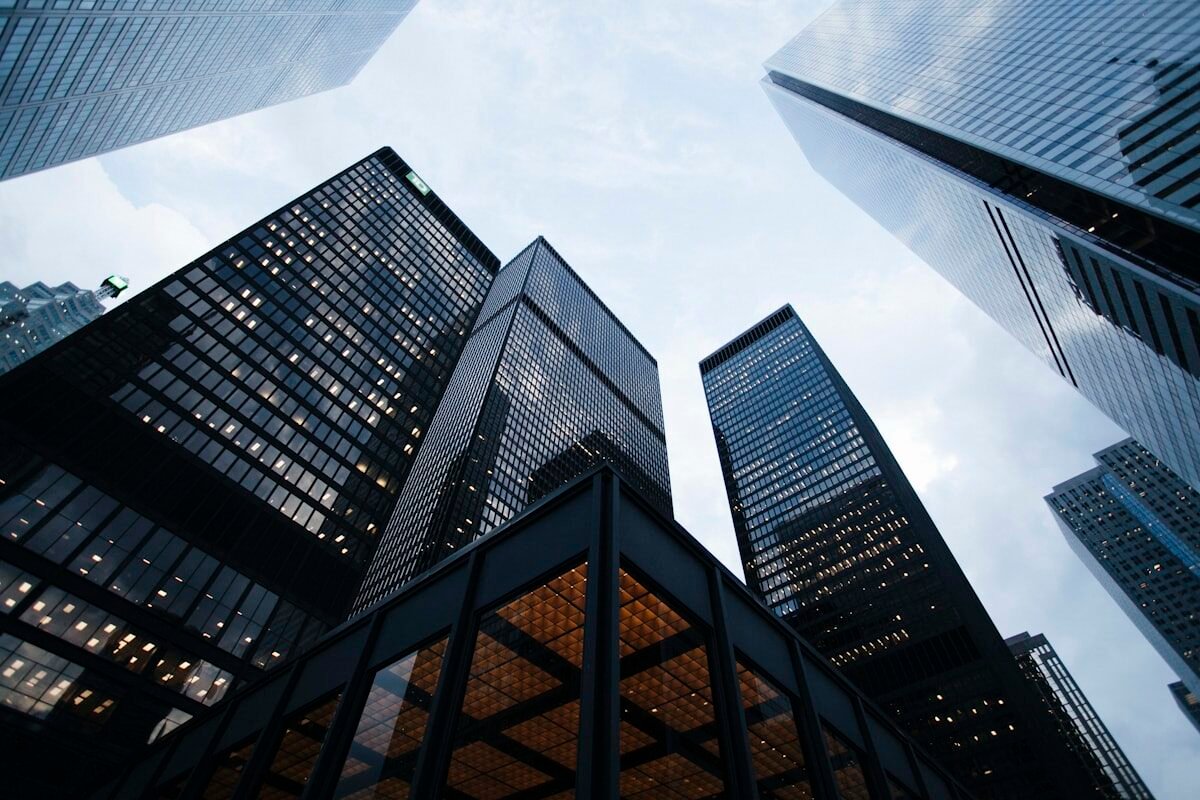
Modern commercial office tower with energy efficient HVAC zone controls and central plant
Commercial Building Engineering ASHRAE 62.1-2025 IAQ Staging, Pressure-Independent VAV Modulation & High-Rise Hydronics
01 / Failure Mechanisms

Commercial HVAC Needs a Part-Load Strategy

Peak airflow represents less than 5% of building operating hours. Sizing equipment strictly for peak summer cooling leads to acoustic rumble, over-cooling, poor ventilation turn-down, and low delta-T chiller penalties.
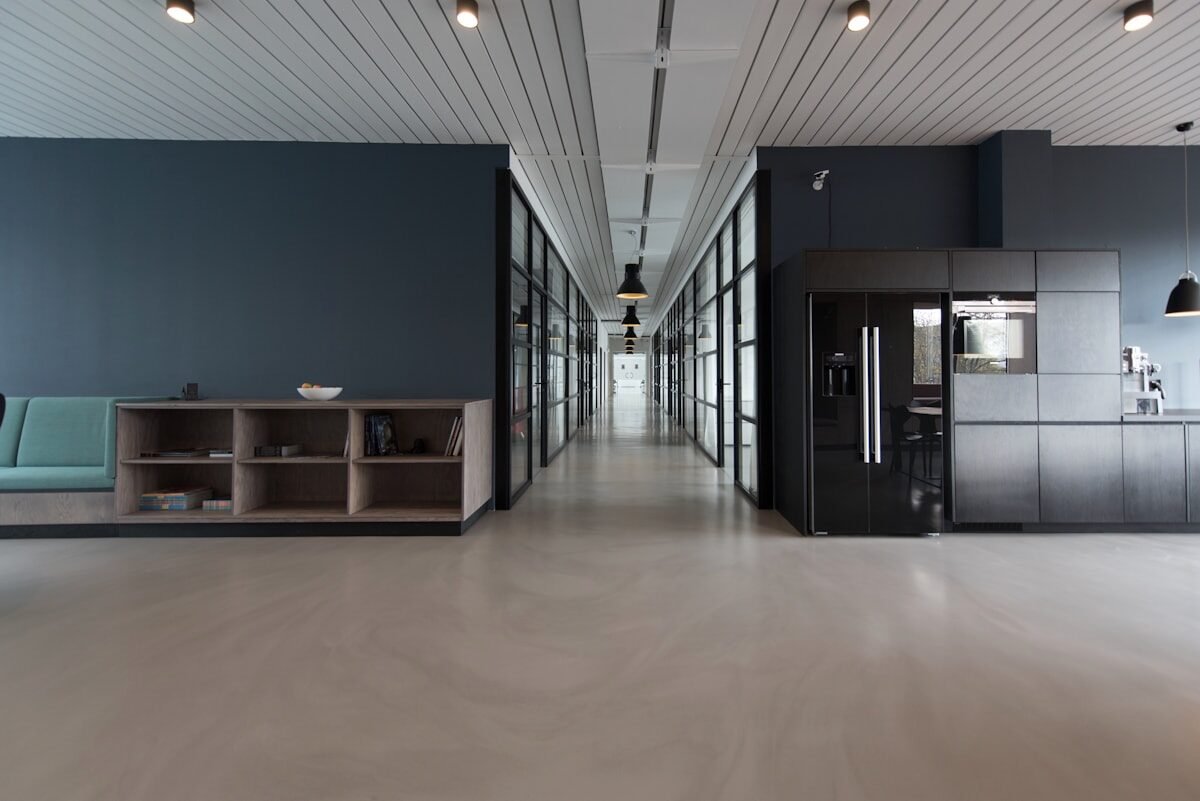
Commercial open plan office interior with ceiling VAV diffusers and quiet air distribution
Occupant Comfort Boundary

Why Peak Sizing Fails Operating Reality

Per ASHRAE Standard 62.1-2025 and ASHRAE Standard 90.1-2025, commercial systems must dynamically track occupancy variations down to minimum outdoor air setpoints.

VAV Hunting & Zone Dumping

Pressure-dependent dampers hunt when central duct static pressure shifts, causing chilly cold air dumping on occupants during minimum turndown.

Impact: Thermal comfort complaints & energy waste

Ceiling Fan Acoustic Rumble

Installing standard high-speed axial fans above ceiling tiles without sound attenuation radiates low-frequency blade-pass drone into meeting rooms.

Impact: NC criteria violations in executive spaces

High-Rise Hydrostatic Over-Pressure

In 30+ story towers, failing to break static head with plate heat exchangers subjects lower-level valves and coils to destructive 2.0+ MPa hydrostatic pressure.

Impact: Hydronic gasket blowout & flooding risks

Low Delta-T Hydronic Penalty

Unbalanced 2-way control valves overflow chilled-water coils during part-load hours, blinding chillers and forcing unnecessary auxiliary pump staging.

Impact: Massive central chiller plant COP degradation

The Four Operating Variables of Commercial HVAC

Coordinating terminal turndown, staged IAQ filtration, quiet cabinet fans, and pressure-broken hydronics ensures optimal energy efficiency.

01 Pressure-Independent VAV Modulation
02 Quiet −6 to −12 dB(A) DTXF Fans
03 Staged IAQ (MERV 8 + 14 + Carbon)
04 PHE High-Rise Hydrostatic Zone Breaking
02 / Equipment Lineup

Engineered Equipment for Offices, Hotels & Retail Complexes

Coordinated product families for zone airflow turndown, whisper-quiet ventilation, staged indoor air quality, and high-rise hydronic pressure control.
Architecture 01 · YFVAV-S-T100 Pressure-Independent · Modbus / BACnet DDC

YFVAV-S-T100 Pressure-Independent Variable Air Volume Terminals

The cornerstone of energy-efficient commercial climate control. YFVAV-S-T100 single-duct circular terminals (Ø125–Ø400 mm, 122 to 6,232 m³/h) dynamically compensate for duct static pressure changes using cross-flow differential pressure sensors.

Maintains precise room airflow from 100% peak design down to minimum outdoor air ventilation setpoints without hunting. Features low air-leakage damper blades, acoustic internal fiberglass lining, and seamless integration with DDC controllers and BMS automation.

Capacity Scope
122 – 6,232 m³/h · Ø125 to Ø400 mm
Flow Sensor
Multi-point center-averaging velocity cross
Standard Compliance
ASHRAE 90.1-2025 VAV Turndown Efficiency
Acoustic Attenuation
Insulated dual-skin internal absorption casing
Minimum Turndown Ratio: Sizing VAV boxes too large reduces flow sensor differential pressure at minimum turndown, causing inaccurate airflow readings. Size boxes to maintain minimum velocity ≥1.5 m/s.

YFVAV pressure independent variable air volume terminal box installed in ceiling plenum
YFVAV-S-T100 Pressure-Independent Terminal
Key Applications:
  • Perimeter and interior commercial office zones
  • Conference rooms with demand-controlled ventilation (DCV)
  • Hotel public lobbies, restaurants, and retail spaces
  • Modbus RTU / BACnet MS/TP actuator compatibility
Architecture 02 · DTXF / DFX Series −6 to −12 dB(A) Quiet · Ceiling Void Fit

DTXF & DFX Low-Noise Ceiling Ventilation Fan Boxes

Ducted commercial ventilation must fit within tight false-ceiling voids without transmitting fan noise to occupied rooms below.

DTXF Series: Cabinet centrifugal fan documented as 6 to 12 dB(A) quieter than standard axial fans at identical duty points. Acoustic-lined housing and forward/backward-curved impellers ensure whisper-quiet operation in hotels and offices.
DFX Series: Multi-stage purification fan boxes integrating primary (G1–G4), medium (F5–F8), sub-HEPA (H11–H14), and activated carbon modules for localized fresh air purification.

Acoustic Reduction
6 – 12 dB(A) lower radiated noise (DTXF vs Axial)
DFX Filtration
G1–G4, F5–F8, H11–H14, Carbon configurations
Ceiling Integration
Low-profile shallow cabinet with inline spigots
Motor Controls
Multi-speed AC / High-efficiency EC brushless
Acoustic Discharge Note: In sensitive executive spaces, pair DTXF fan boxes with flexible acoustic duct drops and silencer baffles to achieve NC-30 or lower criteria.
DTXF low noise cabinet fan box mounted in commercial building ceiling void
DTXF Low-Noise Ceiling Fan Box
Acoustic & Airflow Roles:
  • Hotel guest room continuous make-up supply
  • Executive boardroom quiet ventilation
  • Restroom and core service area exhaust
  • Easy bottom-access service panels for filter maintenance
Architecture 03 · ZF / ZZH / Carbon ASHRAE 62.1 IAQ · Low Energy Pressure Drop

Staged Particulate & Gas-Phase Filtration for Commercial IAQ

High indoor air quality should not impose severe energy penalties on AHU supply fans. Staged filtration intercepts outdoor particulate matter (PM2.5, PM10) and urban odors with low initial resistance.

Primary Stage: CG panel filters (25–45 Pa) and washable CNL/CJS mesh protect cooling coils.
Secondary Stage: ZF7(8) F7/F8 bag filters (96/100 Pa initial ΔP, 600 mm depth) or compact ZZH V-banks deliver MERV 13–14 particulate removal.
Gas-Phase Option: Carbon panel and pleated chemisorption stages capture traffic exhaust (NOx, SO2) and urban kitchen odors.

Primary Stage
CG panel (25–45 Pa) · Washable CNL/CJS mesh
Secondary Medium
ZF7/F8 (96/100 Pa) · ZZH V-Bank (to 3,600 m³/h)
IAQ Compliance
ASHRAE 62.1-2025 & LEED IAQ Credits
Gas Removal
Activated carbon media for traffic NOx, VOCs & odors
HEPA Boundary: Standard commercial buildings do not require HEPA filtration. HEPA adds 160–250 Pa of fan resistance that wastes energy unless serving specialized healthcare or cleanroom tenancies.
Commercial AHU filter bank with staged pocket bag filters and pre filters
Commercial AHU Multi-Stage Filter Bank
Filtration Design Highlights:
  • ZF7/8 delivers fine PM2.5 capture without high fan kW
  • ZZH V-Bank format where 600 mm bag length cannot fit
  • Washable metal mesh for kitchen and parking exhaust
  • UL 900 fire retardancy compliant synthetic media
Architecture 04 · Hydronics & PHE Hydrostatic Zone Breaking · 2.5 MPa Rated

Plate Heat Exchangers & Dynamic Hydronic Balancing

High-rise commercial towers present severe hydrostatic pressure challenges. Water columns exceeding 100 meters generate downward static pressures that exceed standard coil ratings.

Gasketed Plate Heat Exchangers (4–900 m³/h, up to 2.5 MPa): Act as hydraulic zone breakers, isolating low-pressure upper building riser loops from high-pressure basement chiller loops.
JFWP Expansion Units (48–480 m³ capacity): Maintain constant system static pressure with automatic make-up.
Dynamic PICV Valves: Eliminate overflow across AHU cooling coils, curing low delta-T syndrome.

PHE Flow Capacity
4 to 900 m³/h · Design pressure to 2.5 MPa (25 bar)
Zone Breaking
Hydraulic isolation of high-rise hydrostatic zones
System Expansion
JFWP units (2.4 to 24 m³/h make-up pump capacity)
Dynamic Balancing
Pressure-Independent Control Valves (PICV)
Plate Cleanliness: On open cooling tower loops, protect plate heat exchangers with inline automatic backwash strainers and JFGP electronic descaling to prevent fouling.
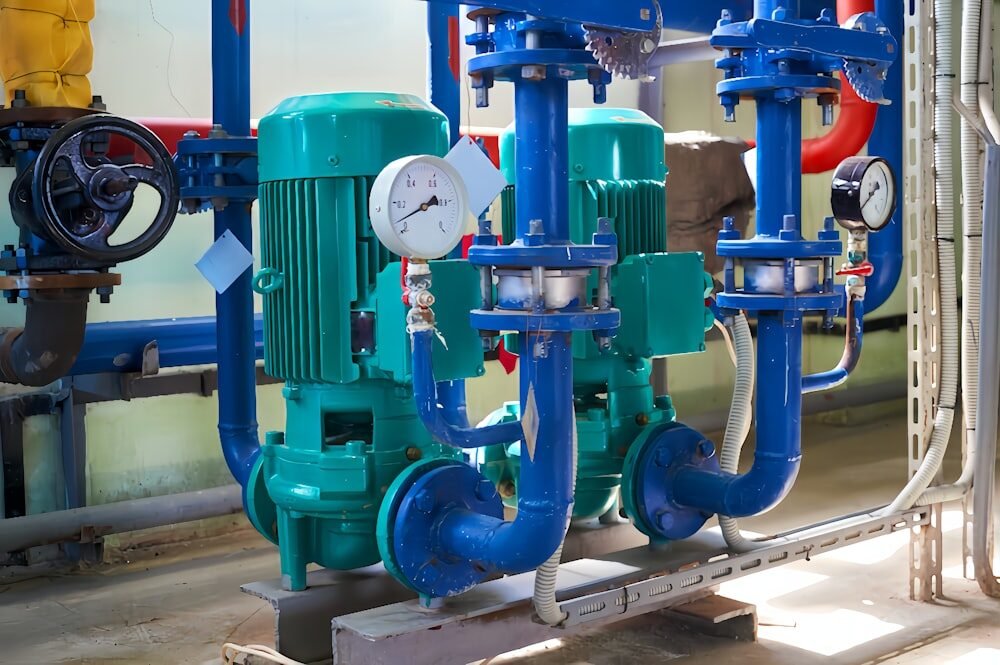
High rise commercial plant room plate heat exchanger and dynamic balancing valves
High-Rise Sub-Station Plate Heat Exchanger
Central Plant Scope:
  • District cooling substation interface exchangers
  • Free-cooling waterside economizer isolation
  • Hydrostatic zone division for tall office towers
  • Dynamic balance valves interlocked with DDC BMS
03 / Selection Matrix

Commercial Building Component Routing Table

Cross-reference YONGFAN components by commercial building requirement, supplier boundaries, and the first technical confirmation input.
Building Requirement First YONGFAN Route Supplier-Supported Boundary First Input to Confirm Specification Action
Zone variable airflow control 122–6,232 m³/h · Ø125–Ø400 mm inlet Zone max/min design airflow + duct pressure Configure VAV
Low-noise ducted ventilation 6–12 dB(A) quieter than standard axials Design CFM, external static & ceiling void height Configure DTXF
Packaged fresh air purification G1-G4, F5-F8, H11-H14, Carbon module combos Airflow, external static & filtration stages Configure DFX
AHU primary coarse pre-filter CG 25–45 Pa initial; CNL ≤15 Pa; CJS ≤10 Pa Filter face dimensions and dust loading Configure Pre
AHU secondary IAQ filter ZF7/F8 (96/100 Pa); Standard models 1,300–3,200 m³/h Required test grade and allowable static pressure Configure Medium
Emergency stairwell & smoke exhaust 280°C / 30 min · 1,886–114,829 m³/h Fire smoke flow rate and external static Configure Smoke
Fire & smoke barrier dampers 70°C fusible / 280°C smoke · DC 24V actuator Duct dimensions and wall fire rating Configure Damper
High-rise hydrostatic zone breaking 4–900 m³/h · 1.0 / 1.6 / 2.5 MPa ratings Thermal duty + 4 fluid temperatures + static head Configure PHE
Chilled-water coil dynamic balancing Dynamic pressure independence · Modbus DDC Coil design GPM and differential pressure Configure Valve
Hydronic expansion & make-up 48–480 m³ system water capacity; 2.4–24 m³/h make-up Total loop water volume and building height Configure JFWP
04 / Procurement Protocol

Information Required for a Commercial HVAC Quotation

Providing complete zone turndown ranges, acoustic limits, static pressure margins, and building height data ensures exact component sizing.
STEP 01

Zone Airflow & Turndown

State design peak CFM, minimum outdoor air ventilation rate, allowable static pressure drop across terminals, and DDC protocol (BACnet/Modbus).

STEP 02

Acoustic & Spatial Limits

Provide room NC/dBA acoustic target, clear ceiling void depth, and duct layout to determine DTXF low-noise cabinet fan sizing and silencer needs.

STEP 03

IAQ & Staging Targets

State particulate filter efficiency class (MERV 8 / MERV 13–14), allowable clean filter ΔP, and whether carbon odor filtration is required.

STEP 04

Hydronics & Static Head

Provide building height, design flow rates, entering/leaving fluid temperatures, hydrostatic zone break boundaries, and valve differential pressure.

Engineering Handoff

Required Parameters for Commercial Quotes

Submit your MEP schedules and mechanical drawings. YONGFAN application engineers will verify VAV turndown authority, fan acoustics, and plate heat exchanger pressure ratings.

1. Max / Min Design Airflow per Zone (m³/h)
2. YFVAV-S-T100 Diameter & BACnet DDC Actuator
3. DTXF Quiet Fan Box Acoustic Target (NC/dBA)
4. Staged IAQ Filter Schedule (MERV 8 + 14)
5. Emergency Smoke Fan Duty (280°C / 30 min)
6. Building Height & Static Pressure (MPa)
7. PHE Thermal Program (Four Temperatures)
8. Dynamic PICV Valve Sizing & Flow Control
05 / Manufacturing Verification

Quality Assurance for Commercial Reliability

Automated aerodynamic calibration, acoustic reverberation chamber testing, and hydrostatic pressure verification for commercial durability.
VAV Calibration

Factory Flow Sensor Test

Every YFVAV terminal velocity sensor is factory calibrated against certified flow nozzles across full 100% to 20% turndown curves.

Acoustic Testing

Reverberation Sound QA

DTXF low-noise cabinet fans undergo sound power octave-band testing to guarantee compliance with published −6 to −12 dB(A) acoustic ratings.

High-Rise PHE

Hydrostatic Pressure QA

Plate heat exchangers are hydrostatically proof-tested at 1.25–1.5× design pressure (up to 3.75 MPa test) with zero cross-leakage.

Life Safety

280°C Fire Certification

DTF/HTFC smoke exhaust fans and PFHF fire dampers are certified in accredited fire laboratories for 280°C / 30 min continuous smoke clearing.

06 / Engineering Knowledge

Commercial Buildings Frequently Asked Questions

Technical answers to key selection questions regarding VAV turndown, acoustic cabinet fans, staged IAQ filtration, and high-rise hydronics.

Why use pressure-independent VAV instead of pressure-dependent dampers?

YFVAV-S-T100 pressure-independent terminals use dynamic flow sensors to maintain target CFM even when central duct static pressure shifts. Pressure-dependent dampers hunt continuously, causing over-cooling, acoustic noise, and poor comfort.

What makes DTXF fans quieter than standard axial fans?

DTXF uses an acoustically lined cabinet housing and forward/backward curved centrifugal wheels that generate lower tip speeds, achieving approximately 6 to 12 dB(A) lower sound power than standard axial fans at identical flow points.

Should commercial buildings install HEPA filters?

No. Standard commercial buildings achieve excellent IAQ with staged filtration: CG pre-filters plus ZF7(8) (MERV 13–14 equivalent) medium bag filters. HEPA adds unnecessary static resistance (160–250 Pa) that wastes fan energy unless required for medical suites.

How do plate heat exchangers solve high-rise hydrostatic problems?

In tall buildings, water columns exert extreme static pressure on lower floors. Plate heat exchangers divide the building into vertical hydraulic pressure zones (e.g., Low, Mid, High), keeping local operating pressures below 1.0–1.6 MPa without over-pressurizing terminal coils.

What causes low delta-T syndrome in commercial chiller plants?

Low delta-T occurs when uncontrolled chilled-water bypasses or overflows AHU cooling coils during part-load hours. Installing Dynamic PICV control valves maintains design delta-T, preventing chiller staging inefficiencies.

Can DFX fan boxes remove urban traffic odors?

Yes. DFX multi-stage purification boxes can be equipped with activated carbon chemisorption modules that adsorb nitrogen oxides (NOx), sulfur dioxide, and volatile organic compounds (VOCs) from street-level fresh air intakes.

Does YONGFAN supply complete central chillers and boilers?

YONGFAN manufactures air distribution VAV terminals, cabinet fans, staged filtration, plate heat exchangers, expansion units, and hydronic valves. Primary chillers and boilers are supplied by specialized mechanical equipment manufacturers.

What fire ratings are available for commercial dampers?

YONGFAN supplies FHF (70°C) fusible-link fire dampers for fire compartmentation and PFHF (280°C) motorized smoke fire dampers certified for high-temperature smoke clearing in commercial escape routes.

07 / Application Boundaries

Commercial HVAC Scope Ends at the Component Interface

Understanding system boundaries ensures clear delineation of engineering responsibilities across commercial MEP projects.
Boundary 01 / Primary Chillers

Not Central Chillers / Boilers

YONGFAN manufactures airside terminals, fans, filters, and hydronic sub-station equipment; primary chillers, cooling towers, and boilers belong to central plant trade scope.

Boundary 02 / Energy Modeling

Building LEED Certification

YONGFAN provides component performance ratings; whole-building energy modeling (ASHRAE 90.1 / LEED / BREEAM) remains the responsibility of the MEP consulting engineer.

Boundary 03 / BMS Software

BMS Programming Scope

YONGFAN provides factory-calibrated DDC actuators and standard Modbus/BACnet interfaces; BMS supervisor graphics and control network wiring belong to controls contractors.

Boundary 04 / Architectural Integration

Ceiling Void Fitment

Verify clear mechanical plenum void dimensions, structural ceiling hangers, and service access panels before finalizing terminal box layout drawings.

08 / Engineering Handoff

Plan Commercial Building HVAC Components

Send your mechanical zone schedules, peak/minimum airflow rates, acoustic limits, and high-rise hydronic parameters — YONGFAN application engineers will configure coordinated VAV, fan box, filtration, and plate heat exchanger packages.

ASHRAE 62.1 · 90.1 Compliance YFVAV-S-T100 Pressure Independence DTXF −6 to −12 dB(A) Quiet Fan Box Staged IAQ (MERV 8 + 14 + Carbon) PHE 2.5 MPa High-Rise Zone Breaking 280°C / 30 min Smoke & Fire Dampers
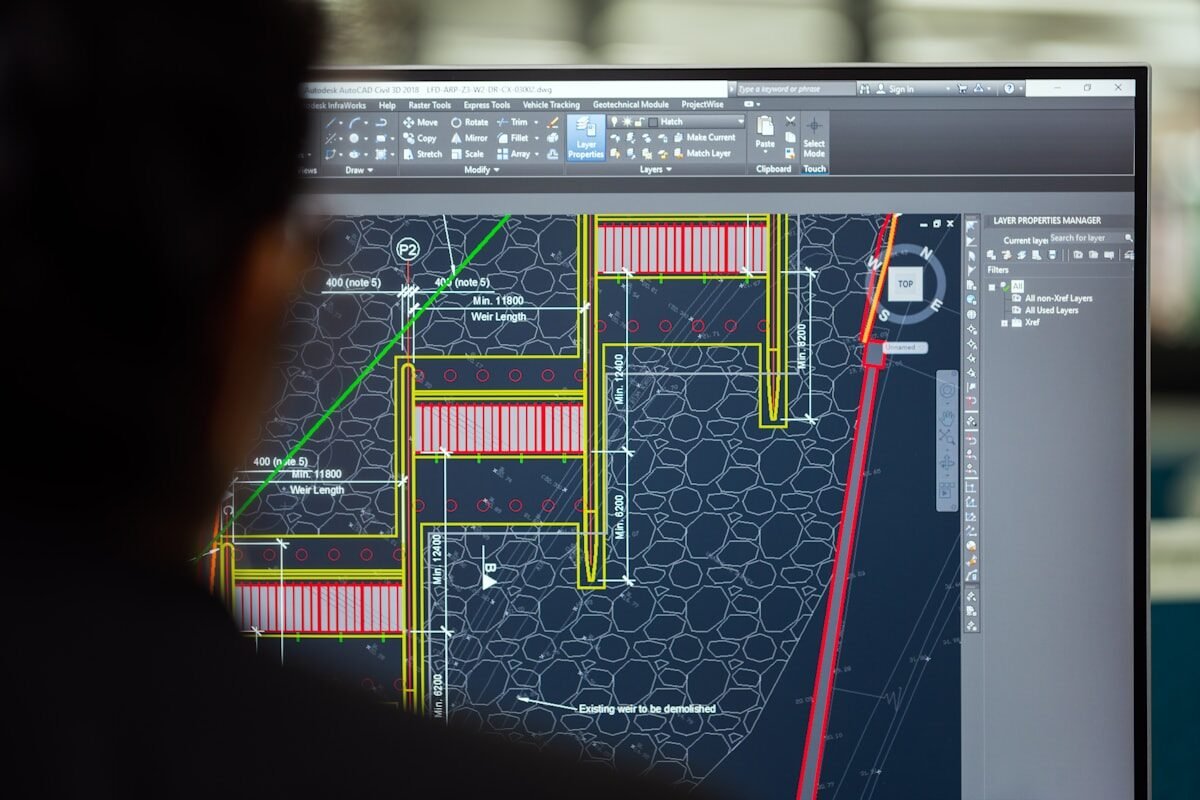
Engineers reviewing commercial office building HVAC zone drawings and hydronic schedules
Commercial Application Engineering
VAV part-load turndown verification, acoustic noise attenuation & high-rise hydraulic zone breaking.