
YONGFAN HVAC - Premium Header
Engineered HVAC & Industrial Air Systems
YONGFAN HVACYOFAN HVAC Home
Selection Center | YONGFAN
Home / Resources / Selection Center
Duty First. Model Second.

Select HVAC Components by Real Operating Conditions

A model number should be the result of selection—not the starting point. YONGFAN Selection Center helps engineers, contractors and system integrators organize the operating data needed to select HVAC components more accurately.

Start with the product family, then confirm the parameters that actually determine performance.

Engineers selecting HVAC components from operating data
Airflow · Pressure · Load · Medium
How to Use the Selection Center

Four Steps From Requirement to Configuration

01 — Define the Duty

What must the equipment actually do?

  • Move 15,000 m³/h of air
  • Maintain 650 Pa static pressure
  • Achieve a required filtration stage
  • Transfer 800 kW between two water circuits
  • Stabilize pressure in a closed hydronic loop
02 — Operating Conditions

Performance changes with the duty environment

Temperature Pressure Humidity Medium Water quality Contaminant Installation Electrical
03 — Narrow the Range

Use the duty data to identify

  • Product family
  • Size
  • Performance range
  • Material
  • Motor
  • Pressure class
  • Filter grade
  • Control option
04 — Confirm Configuration

Check against the actual project before ordering

Especially important for smoke-exhaust equipment, explosion-proof products, high-efficiency filtration, chemical filtration, pressure equipment, and non-standard configurations.

Fan Selection

Start With Airflow and Pressure

A fan cannot be selected correctly from airflow alone. The same fan will operate at different airflow depending on the resistance of the system connected to it.

Required Airflow + Required Pressure → Fan Duty Point

YONGFAN’s current fan documentation repeatedly states that final model selection is confirmed against project airflow, static pressure and duty conditions.
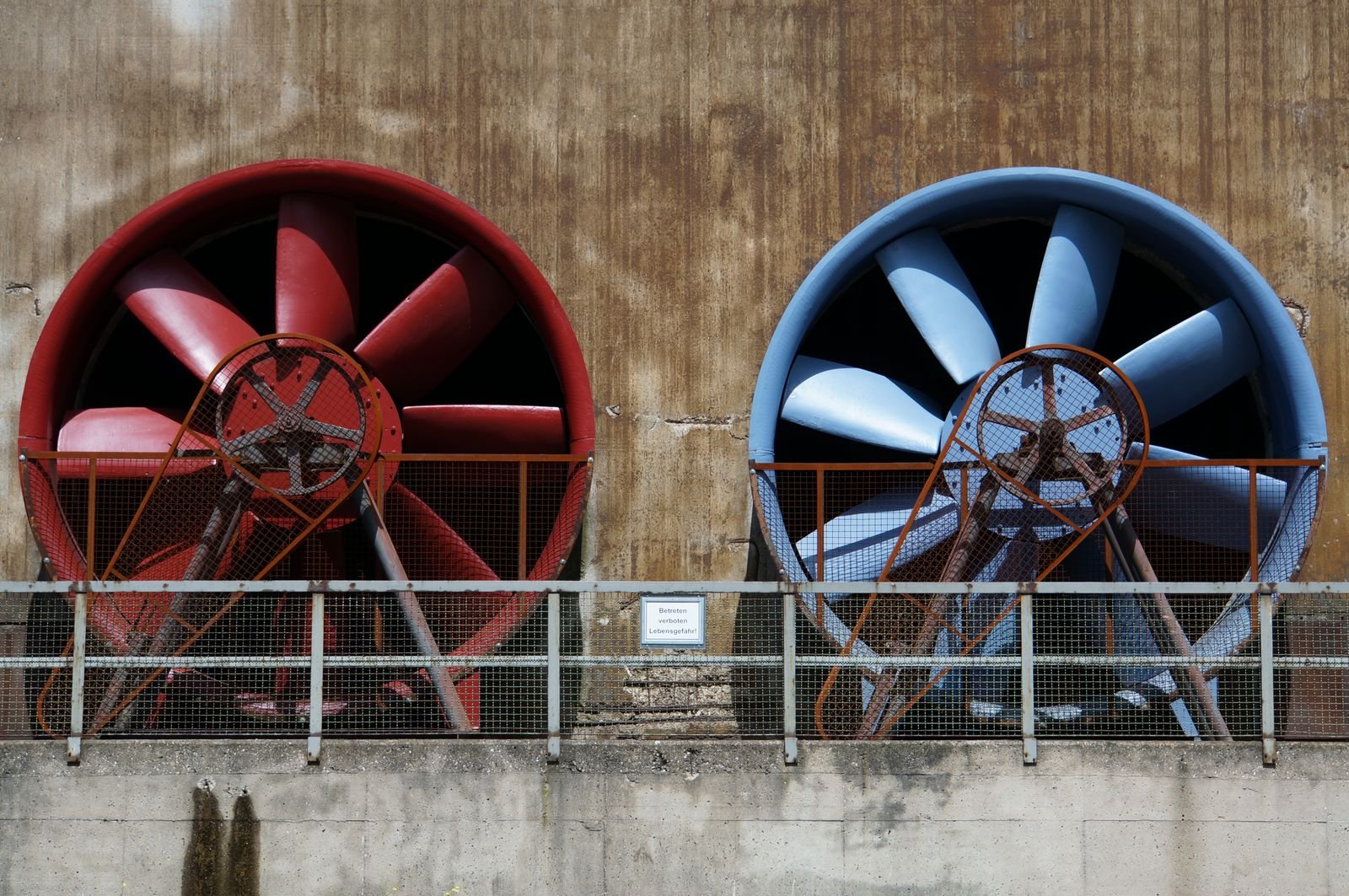
Industrial exhaust fans selected against airflow and pressure
Duty point, not free-air volume
Fan Duty Inputs

Seven parameters that actually determine the fan

Step 1 — Required Airflow

How much air must the fan move?

Provide design airflow in m³/h or m³/s.

  • Ventilation calculations
  • Air-change requirements
  • Process exhaust demand
  • Smoke-control design
  • Heat-removal calculations
  • Tunnel ventilation calculations

If only room dimensions and air-change rate are available, airflow can first be determined from the ventilation requirement.

Step 2 — Required Pressure

What resistance must the fan overcome?

Ductwork Bends Transitions Filters Dampers Coils Silencers Louvers Terminals
A fan that delivers the required airflow at 0 Pa may not deliver that airflow once installed in a real duct network. Always provide the design pressure where possible.
Step 3 — Operating Temperature

Standard ventilation or special duty?

Confirm the normal air temperature. Special applications may include hot process exhaust, boiler rooms, smoke exhaust and industrial process air.

Some YONGFAN fan families are available in configurations for elevated temperature or fire/smoke duty, but applicability must be confirmed by model and configuration.

Step 4 — Air Condition

What is in the airstream?

Clean Dusty Humid Corrosive Greasy Chemically contaminated Potentially explosive

This may affect fan architecture, motor position, material, surface protection and explosion-proof requirement. YONGFAN’s bifurcated T35-11 / BT35-11 architecture keeps the motor outside the main airstream and is documented for hot, corrosive, dusty and hazardous applications.

Step 5 — Installation Type

Where will the fan sit in the system?

  • In-line duct mounted
  • Wall mounted
  • Roof mounted
  • Cabinet mounted
  • Free inlet / discharge
  • Tunnel mounted
  • Underground

Installation affects both the appropriate fan family and the actual system losses.

Step 6 & 7 — Noise & Electrical

Occupied-area targets and motor data

Noise: hotels, hospitals, offices and schools may prioritize acoustic performance more strongly than industrial process areas. Provide the project noise target where available.

Electrical: voltage, frequency, phase, motor type, speed, control method. Where applicable: VFD, dual-speed, explosion-proof motor, high-temperature configuration.

Which Fan Architecture?

Match the machine to the duty, not the catalogue photo

Axial fan high airflow
Axial Fan

High airflow + relatively low/moderate pressure

Typical applications: general ventilation, exhaust, large-volume air movement.

Compact mixed-flow and rooftop ventilation
Mixed-Flow Fan

Compact installation + more pressure than conventional axial

Consider when the system needs extra pressure capability without a large centrifugal footprint.

Centrifugal fan for higher system resistance
Centrifugal Fan

Higher system resistance

Consider when the project has more demanding duct pressure requirements.
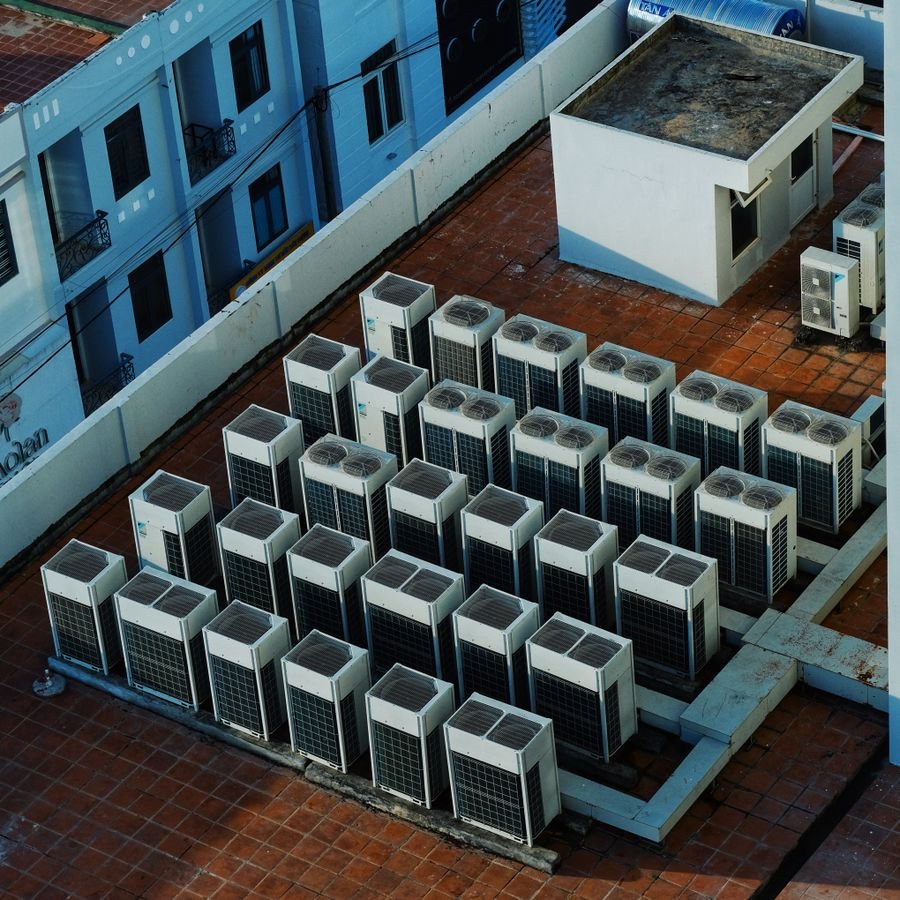
Roof fan discharging through the roof
Roof Fan

Direct roof discharge

Consider when exhaust is discharged directly through the roof.
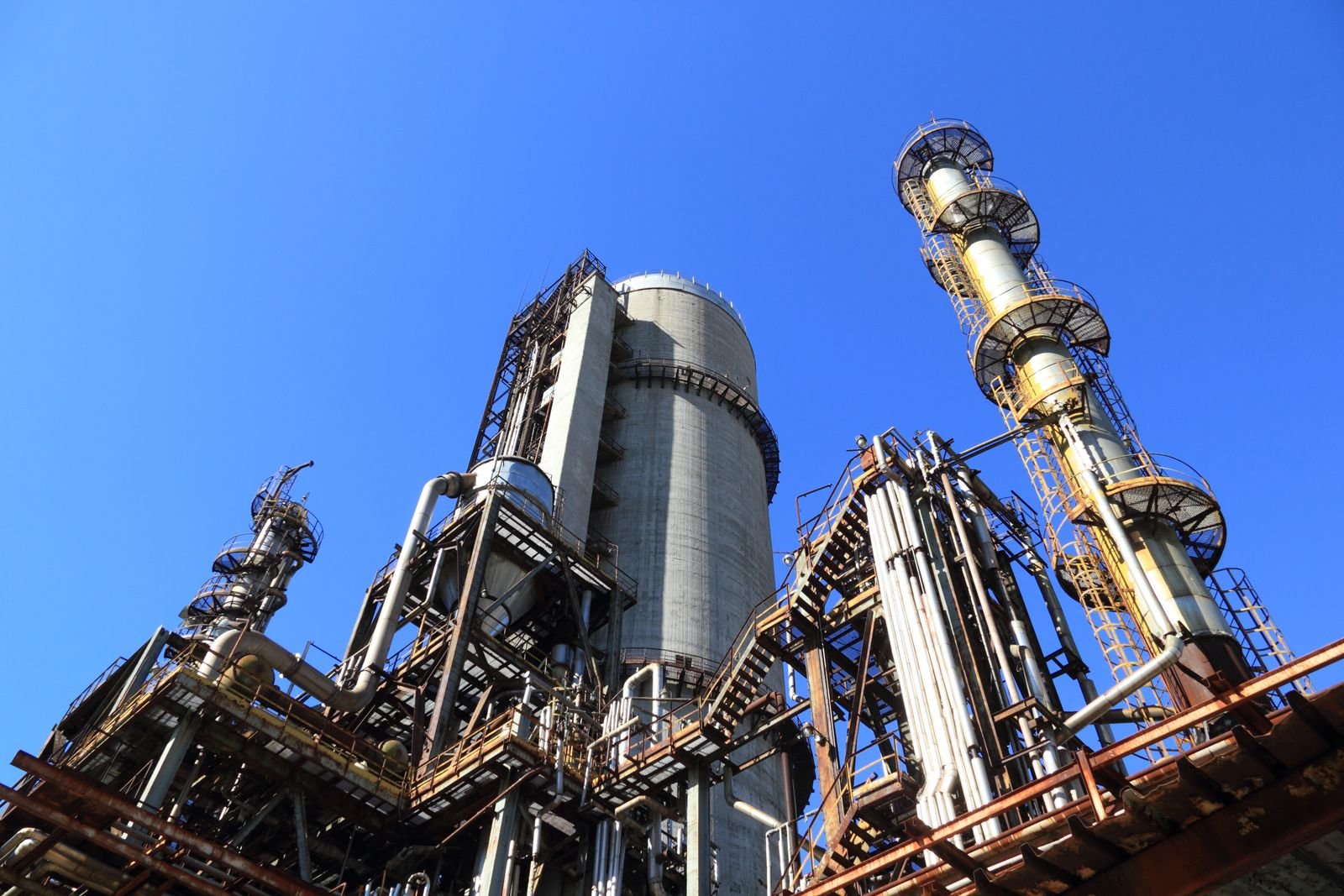
Bifurcated fan motor outside airstream
Bifurcated Fan

Motor outside the handled airstream

Consider for hot, corrosive, dusty or hazardous air where the motor should remain outside the airstream.

Tunnel jet fan selected by thrust
Tunnel Jet Fan

Thrust, not ordinary duct static pressure

Depends on effective thrust, tunnel air velocity, geometry, traffic, pollutant concentration and fire strategy. YONGFAN’s SDS/SDS(R) documentation specifies selection against project thrust calculations.
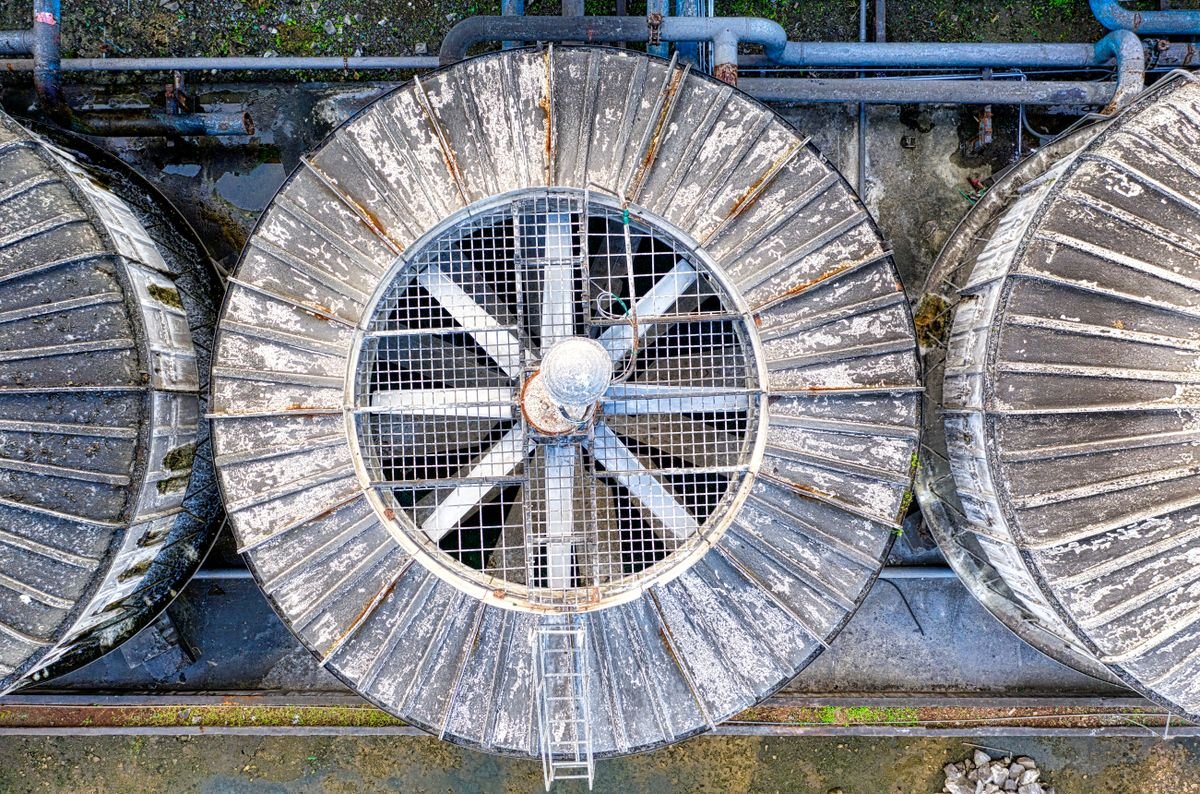
Fan Selection Data Checklist

Send the duty, not only a model number

Airflow
______ m³/h
Static / Total Pressure
______ Pa
Temperature
______ °C
Application
______
Airstream Condition
______
Noise Limit
______ dB(A)
Installation
______
Voltage / Frequency
______
Special Duty
Standard / Smoke Exhaust / Explosion-Proof
Fan duty data for project selection
Checklist before model lock
Filter Selection

Select the Filtration System, Not Just the Grade

Filter selection requires a balance between air quality and air resistance. A filtration system with unnecessarily high resistance can increase the pressure requirement of the entire air system.

Selection should therefore begin with the filtration objective.

Filtration selected as a system, not a single grade
Efficiency × Resistance × Frame size
Step 1 — Primary Filtration

Larger particles and HVAC protection

Used for general HVAC protection and extending downstream filter life. Typical advantages: lower resistance, simple maintenance, washable options in selected types.

Step 1 — Medium Filtration

Protect the final high-efficiency stage

Used to remove finer particles and protect final high-efficiency filtration. YONGFAN’s F9 documentation positions medium filtration as an intermediate stage before HEPA terminals in pharmaceutical and electronics environments.

Step 1 — High-Efficiency

Where particulate control is critical

Applications can include cleanrooms, pharmaceutical environments, electronics and critical-process areas.

Step 2 — Required Efficiency

Follow the project specification

This may be expressed as project specification, filter class, ISO 16890 terminology, HEPA classification, or another applicable standard.

Do not automatically substitute one classification system for another. The required classification should follow the project specification.
Step 3 & 4 — Airflow & Resistance

Wrong airflow changes the whole system

A filter selected at the wrong airflow can produce different pressure drop, service behavior and system performance. Resistance affects fan selection. YONGFAN’s filtration material treats efficiency and initial resistance as key selection parameters.

Step 5 & 6 — Size & Environment

Especially for replacement and retrofit

Provide Width × Height × Depth for existing AHUs, filter banks and retrofit cleanrooms. Confirm temperature, humidity, dust loading, hygiene requirement and installation orientation. Non-standard dimensions may be considered where the product allows customization.

Step 7 — Final Filter or Multi-Stage System?

Consider the complete filtration sequence

Outdoor Air Primary Medium HEPA / Final

This can provide better lifecycle performance than expecting one final filter to handle the entire dust load.

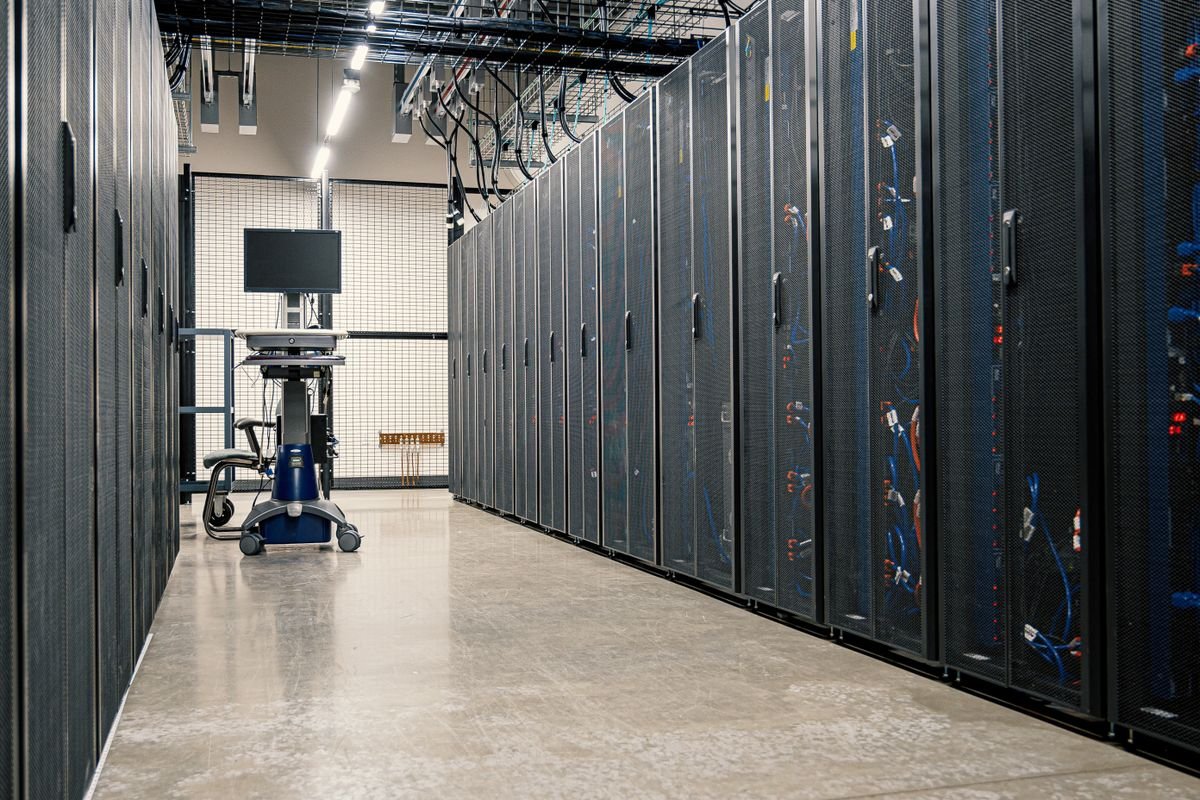
If the target contaminant is dust / particles, use particulate filtration. If the target is H₂S / SO₂ / Cl₂ / NH₃ / VOCs / other gases, the project may require activated-carbon or dedicated gas-phase filtration. A higher-efficiency particle filter does not automatically solve a gas-contamination problem.
Multi-stage cleanroom filtration train
Particle or gas? Different systems.
Filter Selection Data Checklist

Send

Airflow
______ m³/h
Required Filter Stage
______
Efficiency Requirement
______
Initial Resistance Limit
______ Pa
Dimensions
______ × ______ × ______ mm
Operating Temperature
______ °C
Humidity
______
Application
______
Downstream Filter
______
Filter selection against airflow and resistance
Stage · Grade · ΔP · Frame
Chemical Filtration Selection

Start With the Gas Analysis

Chemical filtration should not be selected by airflow alone. At minimum, identify the target gas, concentration, and whether you are protecting an indoor space or treating an exhaust stream. This distinction determines the system architecture.

H₂S SO₂ Cl₂ NOx NH₃ VOCs
Indoor Protection

Filtered fresh air, positive pressurization, recirculation purification, or combination systems. Typical environments: control rooms, server rooms, electrical rooms, instrument rooms.

Exhaust Treatment

If contaminated process air needs treatment before discharge, an exhaust-oriented system is required. The selection logic differs from corrosion-control systems used to protect rooms.
Chemical filtration starting from gas analysis
Protect a room, or treat exhaust?
Chemical Filtration Data Checklist
Airflow
______ m³/h
Room Volume
______ m³
Target Gas
______
Gas Concentration
______
Application
Indoor Protection / Exhaust Treatment
Required Indoor Condition
______
Installation Environment
______
Gas-phase filtration duty data
Gas · Concentration · Duty
Heat Exchanger Selection

Start With the Thermal Duty

Not: “What connection size do I need?”
“What heat must be transferred, between which media, under what conditions?”

YONGFAN’s existing heat-exchange documentation uses heat source, temperatures, load and water quality as core selection inputs.
Heat exchanger selected from thermal duty
Load · ΔT · Pressure · Water quality
Step 1 — Heat Source

Confirm whether the primary side uses hot water, steam, or another applicable medium.

Step 2 — Primary Temperatures

Primary Inlet: ______ °C  ·  Primary Outlet: ______ °C

Step 3 — Secondary Temperatures

Secondary Inlet: ______ °C  ·  Secondary Outlet: ______ °C

Step 4 — Heat Load

Required capacity: ______ kW. If heat load is not available, flow and temperature difference may be used to help determine it.

Step 5 & 6 — Flow & Pressure

Provide primary and secondary design flows where available. Confirm system pressure. Existing YONGFAN documentation references 1.0, 1.6 and 2.5 MPa classes across applicable exchanger products.

Step 7 — Water / Medium Quality

Material selection can depend strongly on water chemistry: hard water, chloride content, corrosive media, seawater, process fluids.

SUS304 316 316L 316Ti Titanium Hastelloy Copper

Which Heat Exchanger Type?

Plate

Compact footprint, efficient transfer, serviceable plates

Tube

When tube construction better matches medium, fouling or maintenance

U-Tube Storage

Heat transfer + hot-water storage both required

Floating-Coil Storage

Storage required, more demanding water quality, or service-favoring coil

Packaged Unit

Exchanger + pumps + controls as an integrated station

Architecture Rule

A storage-type exchanger may be more appropriate when peak demand buffering is required. A plate exchanger may be more suitable when compact heat transfer without storage is the main objective.
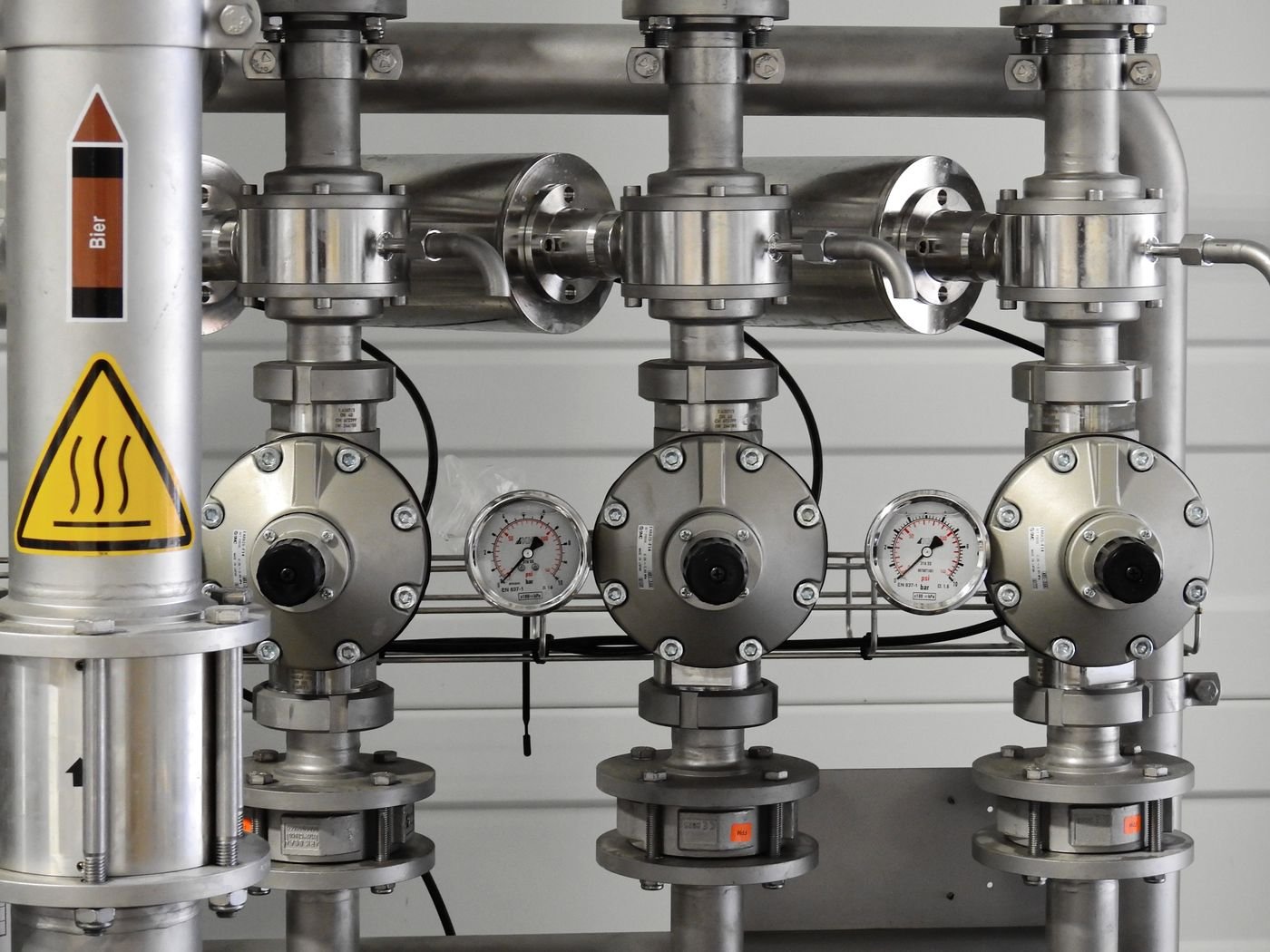
Heat Exchanger Selection Data Checklist
Heat Source
______
Primary Inlet / Outlet
______ / ______ °C
Secondary Inlet / Outlet
______ / ______ °C
Heat Load
______ kW
Primary / Secondary Flow
______ / ______ m³/h
Working Pressure
______ MPa
Medium / Water Quality
______
Storage Required
Yes / No
Available Space
______
Heat exchanger pressure and temperature data
kW · °C · MPa · Material
Valve & Hydronic Selection

Start With Function, Not Pipe Size

DN tells you the connection size. It does not tell you what the component must do. First determine the function.
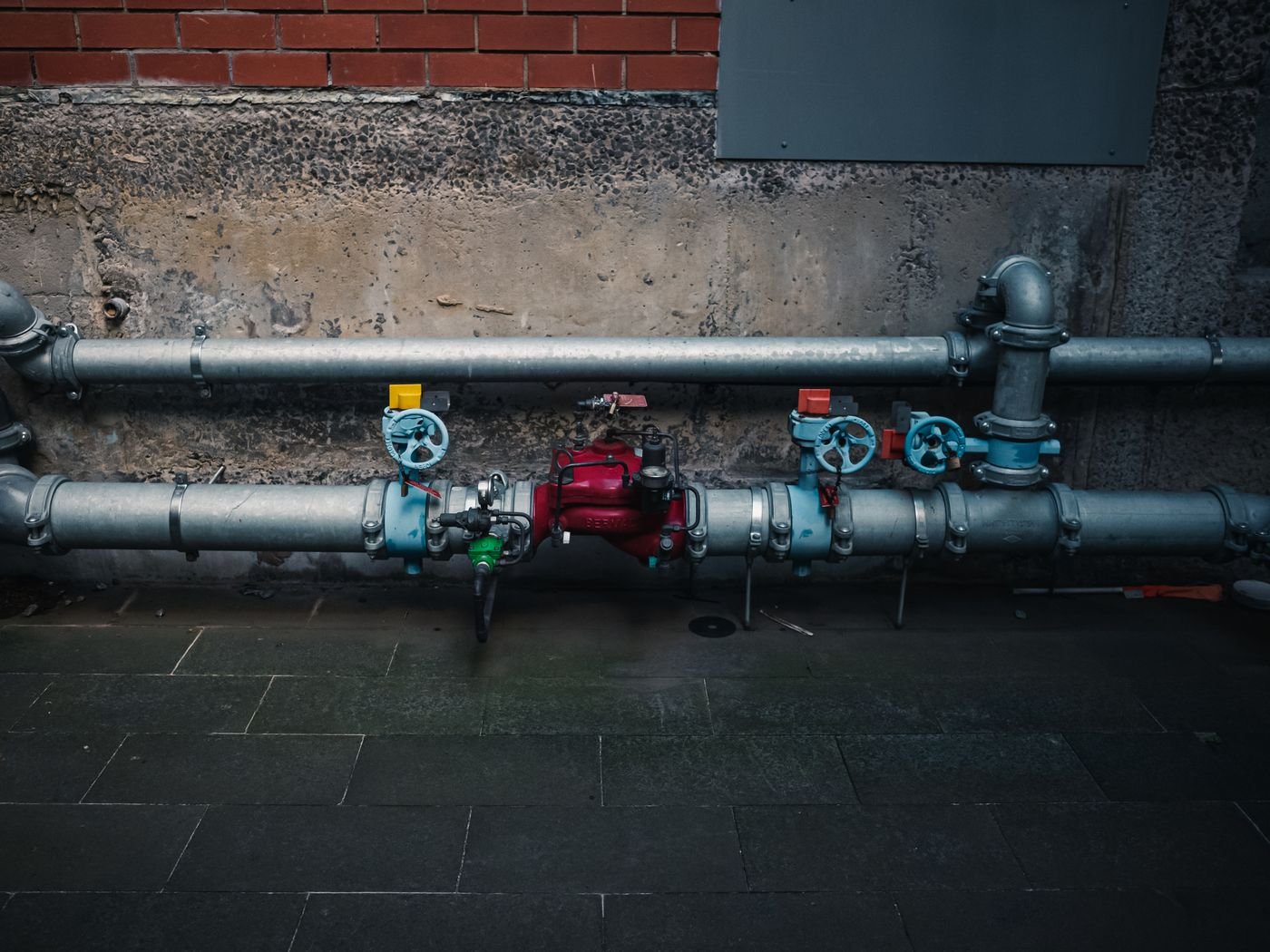
Hydronic valves selected by function not pipe size
Function first. DN second.
I Need to Control Room Temperature

Thermostat + Actuator + Control Valve

Depending on the terminal system. Confirm system type, control logic, valve arrangement and voltage.

I Need Automatic Water-Flow Control

Motorized Control Valves

Selection may require DN, flow, differential pressure, control method and actuator voltage.

I Need Hydronic Balancing

Balancing Valves

When the objective is to distribute design flow correctly between circuits.

I Need Pressure / Hydraulic Control

Hydraulic Control Valves

Depending on the required function.

I Need Pressure Stabilization

Pressure Stabilizing & Expansion Equipment

Confirm system volume, static pressure, working pressure, water temperature and expansion requirement.

I Need Water Supply

VFD or Non-Negative-Pressure Water Supply

Depending on available incoming pressure, required flow, required head and demand variation.

I Need Water Distribution

Distributors / Collectors

Confirm total flow, branch quantity, branch sizes and working pressure.

I Need Water Treatment

Define the water-quality problem first

Confirm water-quality problem, pipe diameter, flow, temperature and installation condition before selecting treatment equipment.
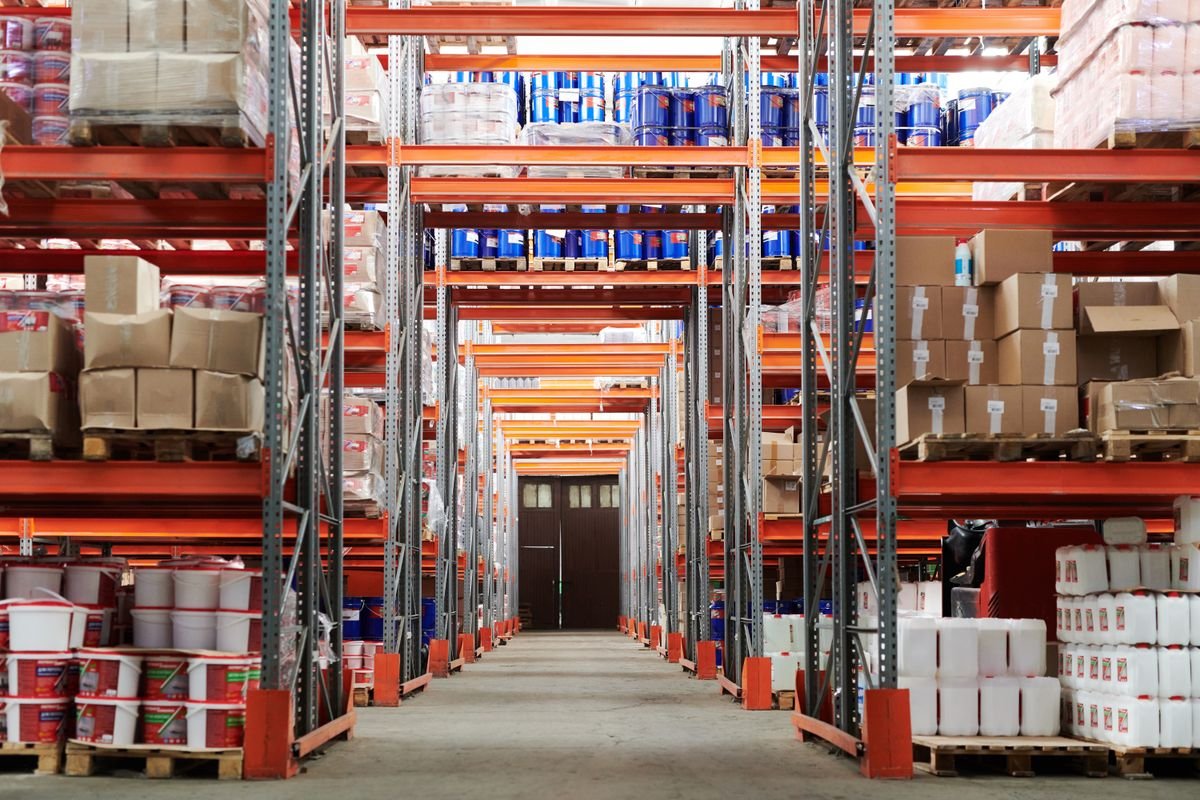
Valve & Hydronic Data Checklist
Function
______
DN / Pipe Size
______
Flow
______ m³/h
Head / Differential Pressure
______
Working Pressure
______ MPa
Temperature
______ °C
System Volume
______ m³
Voltage
______
Control Method
______
Existing Product / Drawing
______
Hydronic plant-room selection data
Function · Flow · Head · Volume
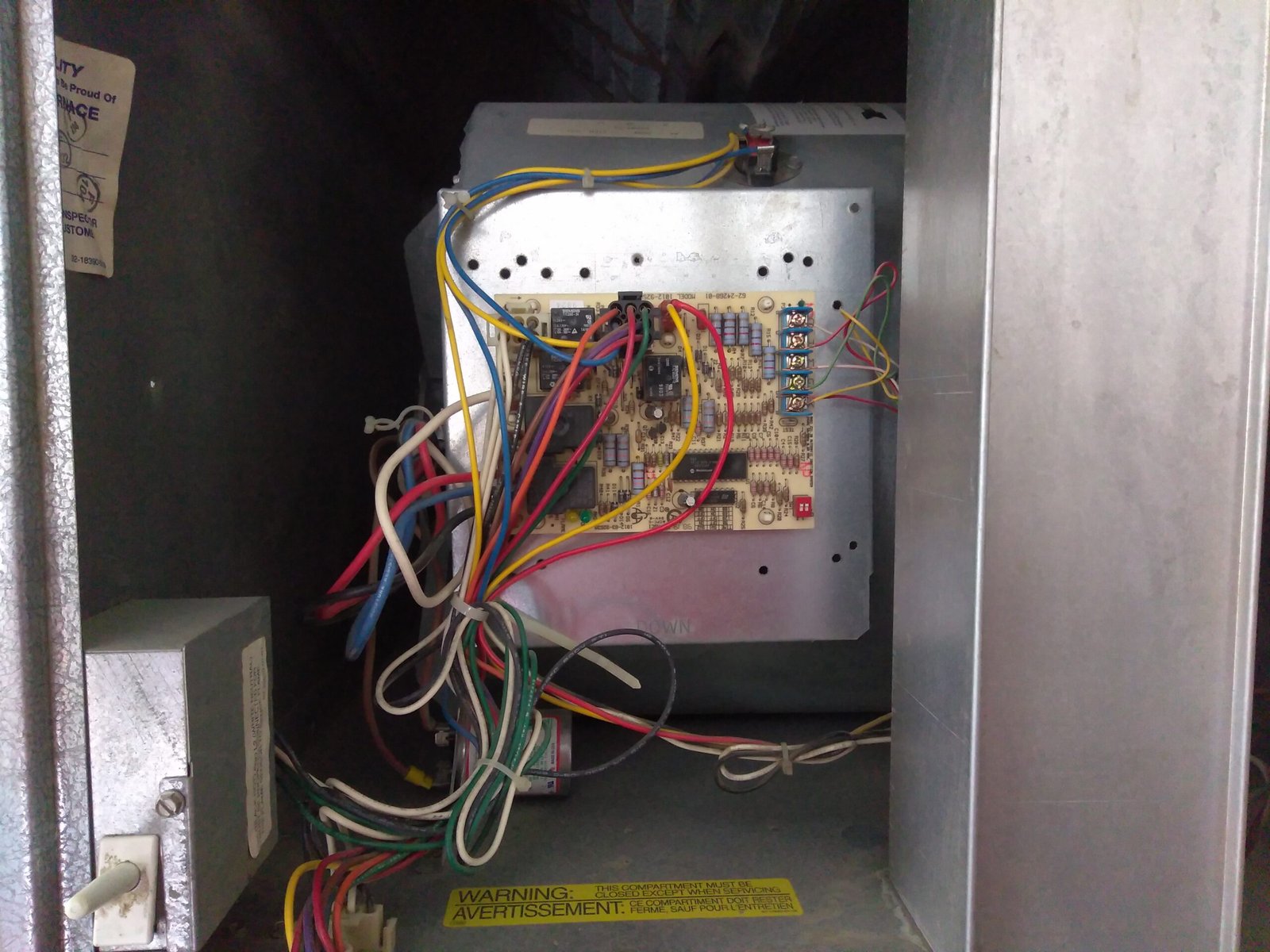
Retrofit selection against existing interfaces
Retrofit Selection

Existing Conditions Become Selection Parameters

For retrofit projects, also provide:

Existing model Nameplate photo Equipment dimensions Flange dimensions Connection locations Motor / electrical data Existing airflow or flow Existing controls Project drawings
Replacement = Performance + Interface Compatibility
Cross-reference competitor models by specification
Do You Have a Competitor Model?

Cross-Reference by Specification, Not Appearance

If you have an existing product from another manufacturer, send manufacturer, model, datasheet, dimensions and duty point. YONGFAN can evaluate the requirement against available product families.

The objective should not be to find something that only “looks the same.” The replacement should match the required function + performance + interface.
When Online Selection Is Not Enough

Ask for Engineering Review When:

  • The duty is outside the standard range
  • The operating temperature is unusual
  • The atmosphere is hazardous
  • The medium is corrosive
  • The equipment is pressure-bearing
  • The project has strict certification requirements
  • The installation dimensions are fixed
  • Several products need to operate as one package
  • The product is intended for fire or life-safety service

In these situations, use the Selection Center to organize the data, then send it to YONGFAN for final review.

From Selection to Technical Documents

After the product is identified

Product Page

Review the product range and technical characteristics.

Download Center

Access available datasheets, drawings, manuals, certificates and supporting technical files.

Technical Support

Request clarification where project-specific confirmation is required.

Send Us Your Selection Data

No Final Model Required

You can send an equipment schedule, BOQ, drawings, existing datasheet, or simply complete the relevant parameter list above. YONGFAN can then help determine:

Product Family Model Range Configuration Additional Data Final Confirmation
Equipment Schedule BOQ Drawings Existing Datasheet Fan Checklist Filter Checklist Heat Exchanger Checklist Hydronic Checklist Chemical Filtration Checklist
Submit HVAC selection data for technical confirmation