Product Configuration
- Model
- Size
- Material
- Motor / voltage
- Pressure class
- Filtration grade
- Control or actuator options
- Accessories
Supplying HVAC components internationally involves much more than booking a shipment.
Before equipment leaves the factory, the product configuration has to be confirmed, documentation prepared, packaging matched to the equipment, and logistics coordinated around the destination, delivery terms and project schedule.
YONGFAN supports international orders across airside, hydronic and control product categories with a process designed to keep the technical and commercial sides of the order aligned from confirmation through shipment.
Our current product documentation supports sea, air and land transport, with international commercial terms including EXW, FOB, CIF and DDP where agreed.
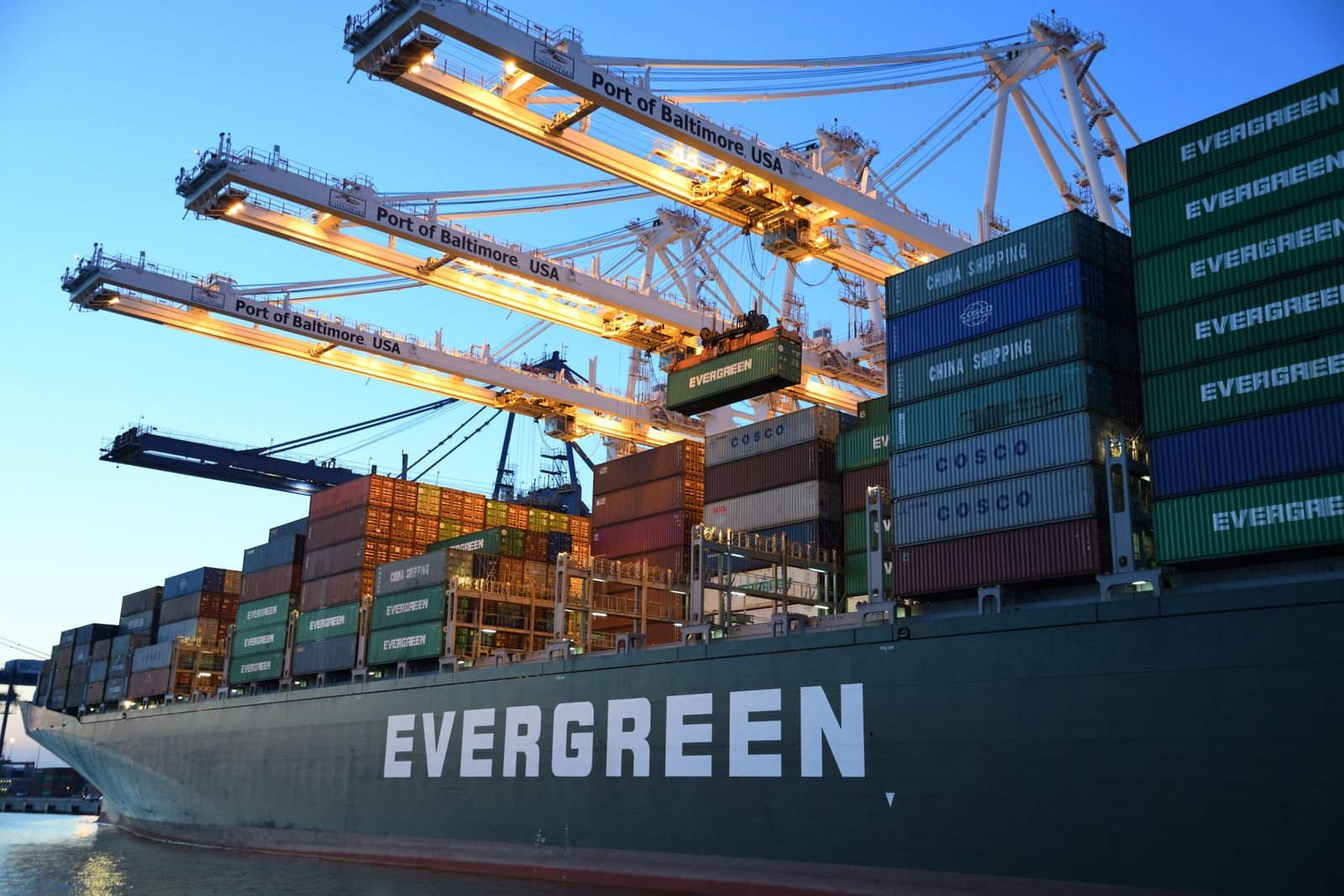
Configuration, packing and documents stay aligned with the actual equipment.
The best logistics plan begins with the right product. A shipment can arrive on time and still create a project problem if the equipment is the wrong configuration, the dimensions are not confirmed, the accessories are missing, or the required documentation is incomplete.

YONGFAN treats export coordination as part of the project workflow rather than a separate activity after manufacturing. Before shipment planning begins, the following items should be confirmed:
The objective is to reduce last-minute changes after the equipment is already packed.
Each stage keeps the technical record connected to the commercial terms, the packed equipment and the documents that travel with it.
The process starts with the technical requirement. If the exact model is not known, YONGFAN can support product selection before commercial confirmation.
Before the order is finalized, key technical details are confirmed. A technically confirmed order reduces the risk of rework later.
Once the technical scope is clear, the commercial terms can be aligned.
YONGFAN’s product materials list EXW, FOB, CIF and DDP as available commercial terms depending on the order.
Production follows the confirmed order specification. Before release, inspection is carried out according to the product family.
Packing is selected according to equipment size, weight, fragility, shipping method, transit distance and handling risk. YONGFAN product documentation references export-standard packing across multiple product families.
The shipping method is selected according to destination, urgency, cargo volume, equipment size, freight cost and project schedule. Transport can be arranged by sea freight, air freight or land transport depending on the destination and order requirements.
Before shipment, the required commercial and technical information is coordinated. The exact document set depends on the product, destination and contractual requirement.
Different products need different logistics strategies. The final shipping method depends on the route, cargo profile and project requirement.
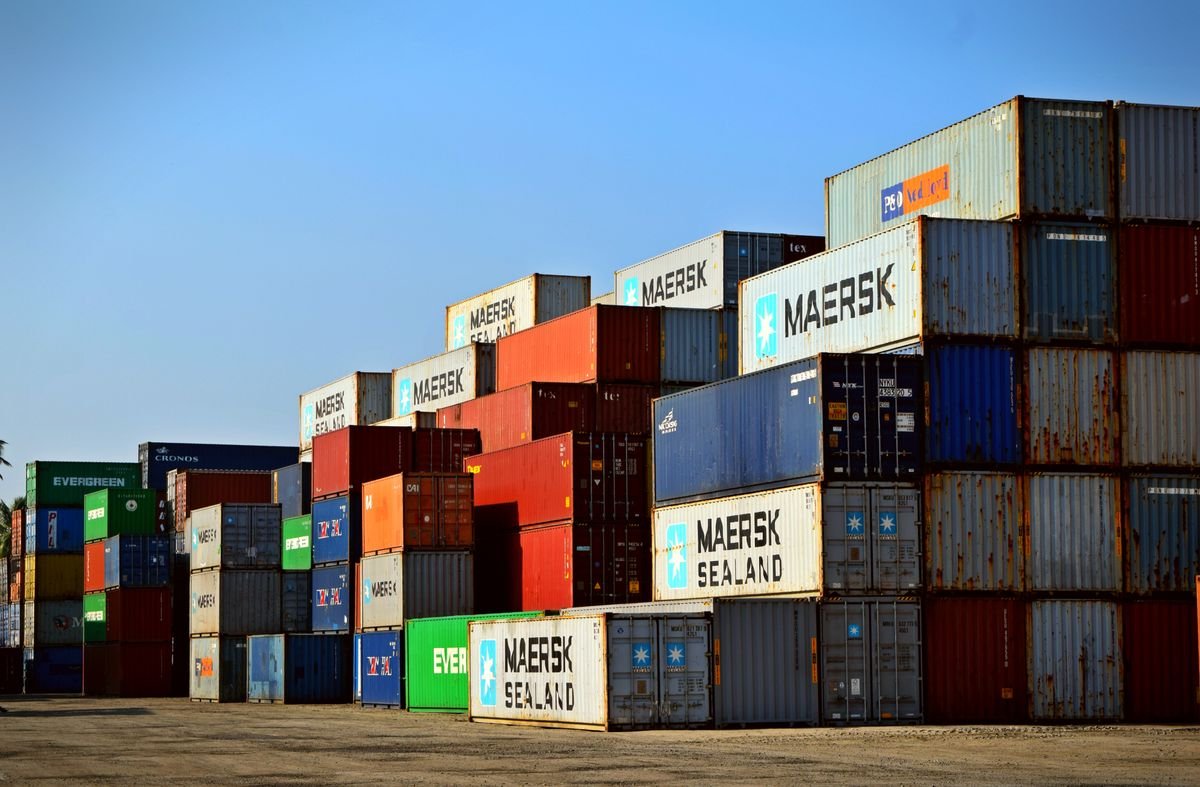 Volume & cost
Sea freight normally provides the best balance of cost and volume for large international HVAC orders.
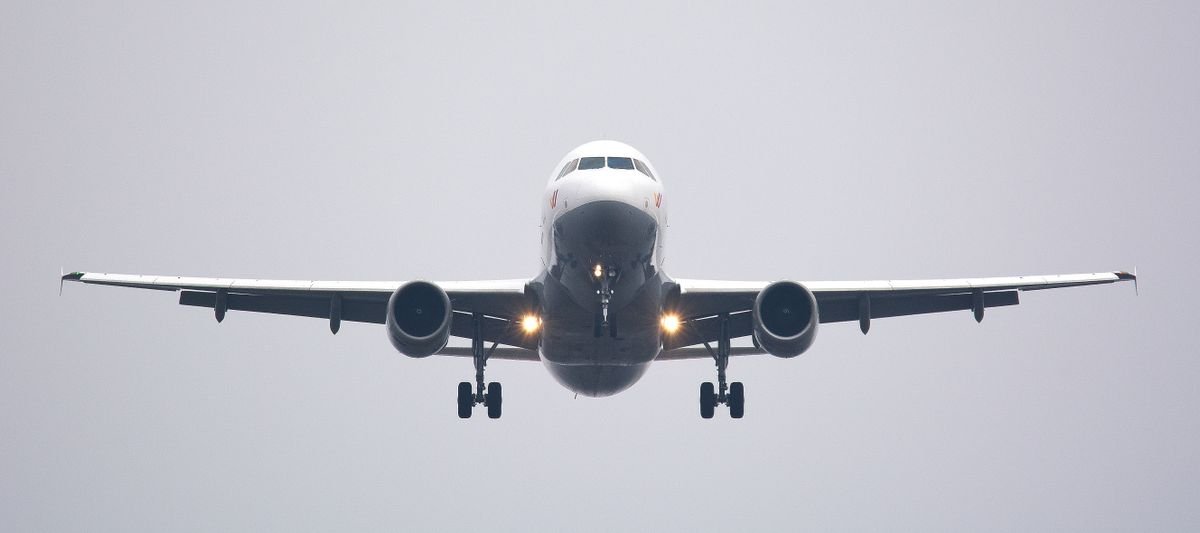 Urgency
Air freight is typically used where project delay costs more than the additional transport expense.
 Regional routes
Can be suitable for regional destinations, cross-border deliveries and combined multimodal transport.
The risk profile of a filter is different from that of a pressure vessel or a fan. Packing should reflect that.
 01
01
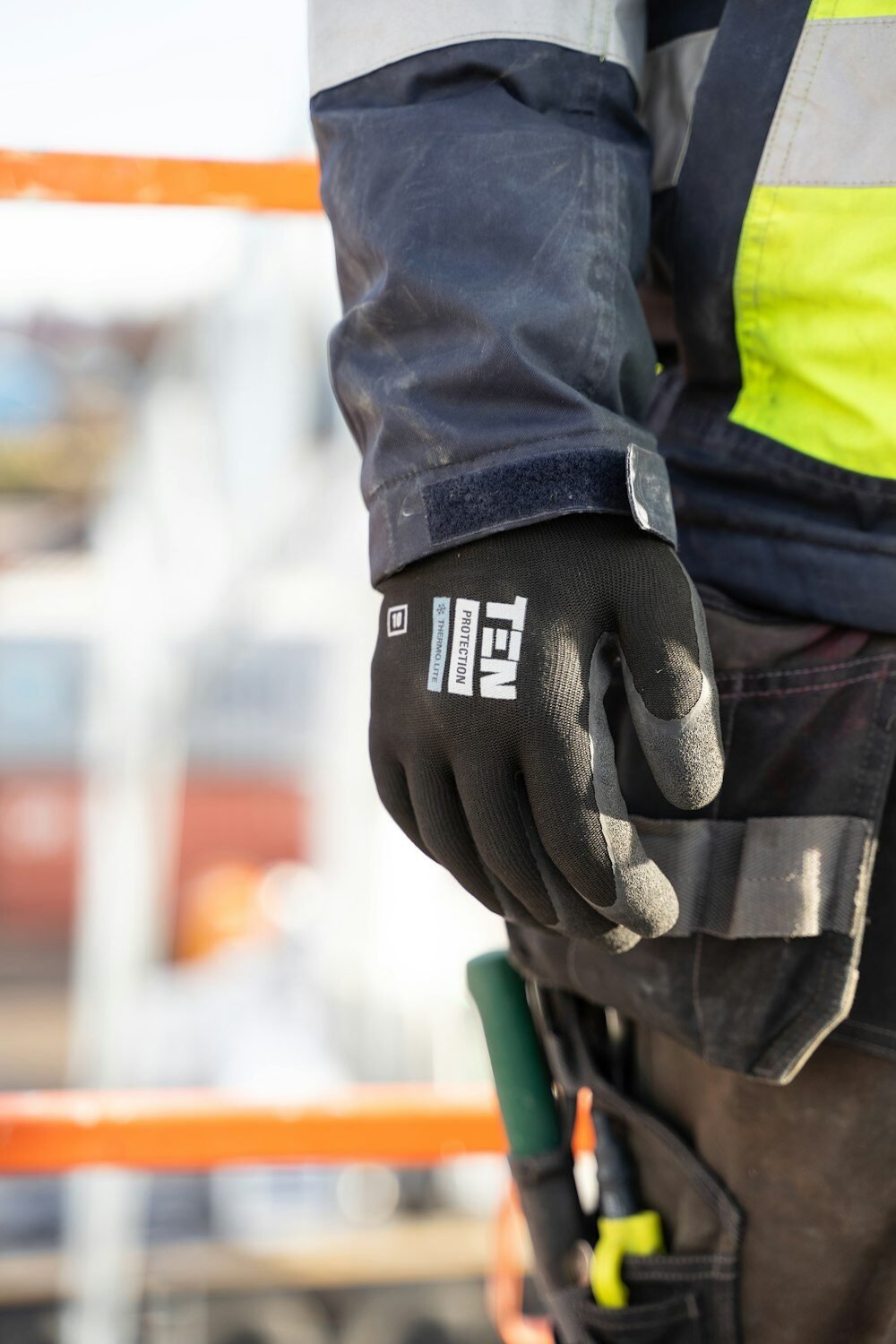
Filters are vulnerable to frame deformation, media damage, moisture, crushing and seal damage. Packing should protect the filter face and maintain dimensional integrity during handling and stacking.
 02
02
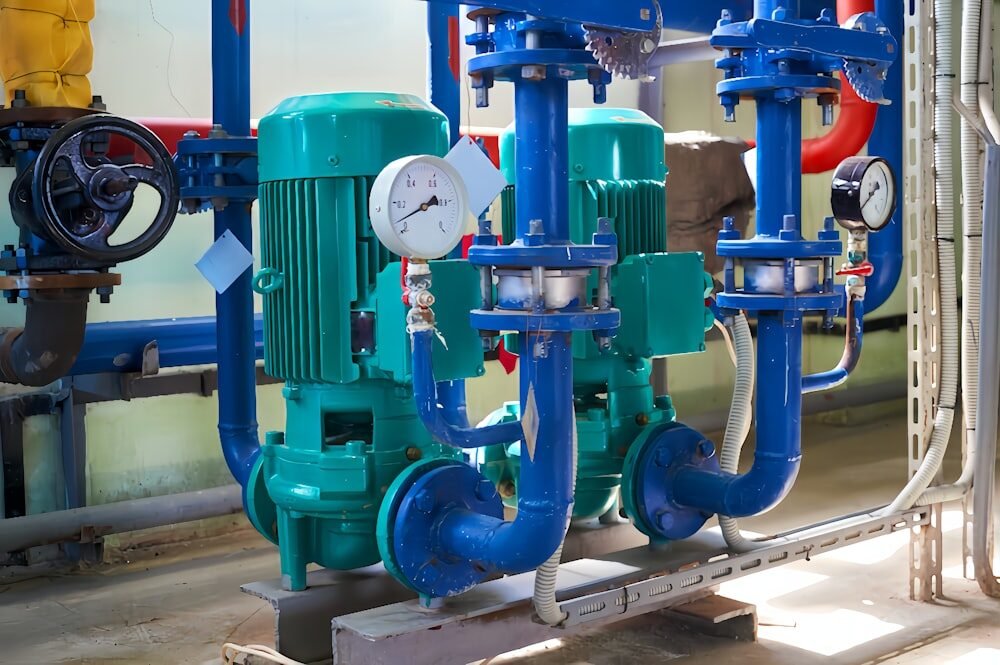
Fan transport requires attention to impeller protection, motor protection, shaft / bearing load, casing deformation and vibration during transport.
 03
03
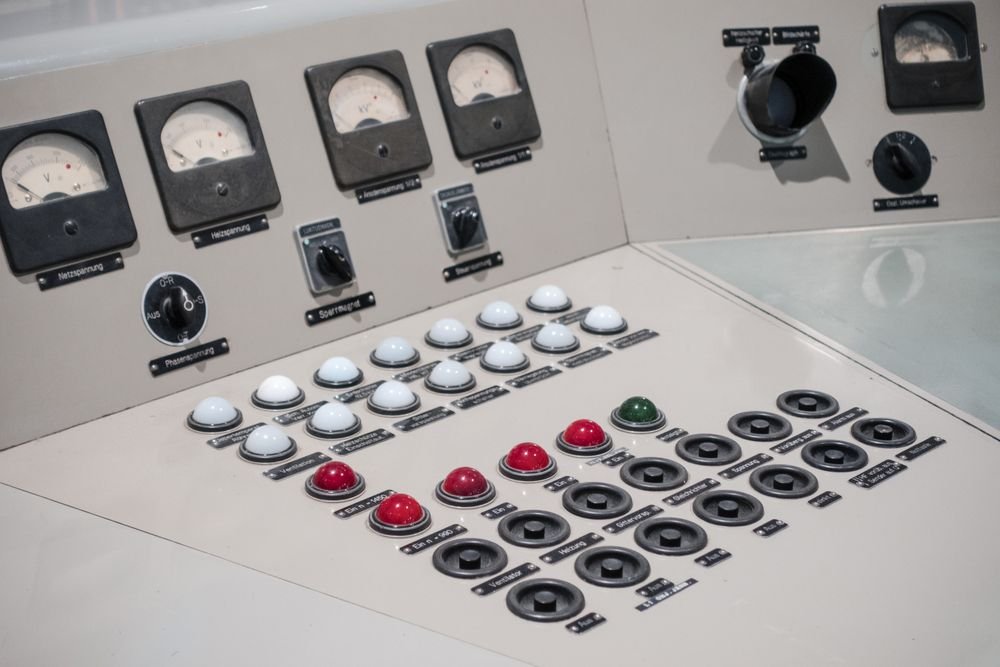
Larger pressure equipment requires protection of nozzles, flange faces, tube bundles, controls, instruments and external surfaces.
 04
04
Smaller controls and valves require protection against moisture, impact, thread damage, wiring damage and loss of small accessories.
YONGFAN can support different trade terms depending on the agreed order. Existing export materials list these terms as available according to order conditions.
The buyer arranges pickup from the agreed location. Suitable when the customer has its own forwarder, manages consolidation, or wants direct logistics control.
YONGFAN coordinates the shipment to the agreed port and export process up to the defined FOB point. Often suitable for experienced importers with their own ocean-freight arrangements.
Freight and insurance are arranged to the agreed destination port. Suitable for customers that want the supplier to coordinate the main international transport.
Available where specifically agreed and operationally feasible. This is the most integrated delivery arrangement but depends heavily on destination-country import procedures, local customs arrangements and product type.
DDP availability should be confirmed before quotation.One advantage of a broad component portfolio is the possibility of consolidating multiple product groups into one project supply package. It is most useful when product schedules and shipment timing are planned early.
International projects often require more documentation than domestic orders. The important point is that documentation must correspond to the actual supplied configuration.

Depending on the equipment and contract, the documentation package may include:
In many HVAC projects, equipment cannot be manufactured or shipped until consultant or contractor approval is complete.

YONGFAN can support the approval process with:
For suitable orders, current product documentation supports on-site factory visits or virtual factory audits.

Depending on the project, the inspection window can cover manufacturing, testing, finished equipment, packing and documentation — so the technical record stays connected to the actual equipment being shipped.
Some HVAC products become logistics projects in their own right. Thinking about transportation before manufacturing can reduce problems later.

Examples include large heat exchangers, storage vessels, hydronic skids, large fan assemblies and oversized project equipment. For these products, transport considerations can influence engineering decisions such as:
Logistics continues after the first delivery. Distributor logistics also differ from one-off project logistics.

YONGFAN’s existing product support documentation includes spare-parts and after-sales supply across relevant product families. For repeat orders, correct model identification and traceability help reduce the risk of supplying incompatible replacement components.
A distributor may need repeatable product specifications, mixed-product shipments, OEM packaging, planned stock replenishment and consistent documentation. This helps move the relationship from individual transactions toward repeatable supply.
Give us the information that changes freight cost. Once the equipment configuration is confirmed, final packing dimensions and shipping weight can be used for logistics planning.
Country, city and port if known.
Equipment type and model.
Required units.
EXW, FOB, CIF or requested delivery arrangement.
Required shipment or site date.
Air freight, consolidated shipment, special packing, inspection, documentation or oversized cargo.
Fast shipment is useful only if the correct equipment is being shipped. The purpose is not simply to move cargo. It is to help move technically confirmed HVAC equipment from the production stage to the project site with fewer surprises.
Tell us where the equipment is going. Our team can coordinate the technical, commercial and logistics requirements around the order.