
YONGFAN HVAC - Premium Header
Engineered HVAC & Industrial Air Systems
YONGFAN HVACYOFAN HVAC Home
Exhaust Gas Treatment Units | WGP & OGP Series | YONGFAN
Industrial Emissions · WGP & OGP · Up to 100,000+ m³/h

Industrial Exhaust Gas Treatment: Sized for Contaminant Mass Loading

Industrial exhaust treatment must match the actual gas mixture, mass loading and airflow; an undersized carbon or chemical bed reaches breakthrough long before the fan shows an issue.

YONGFAN WGP combines G4 pre-filtration, deep coal-based activated carbon (iodine ≥1,000 mg/g), and reactive chemical media, paired with OGP source-capture enclosures (1,000–10,000 m³/h).

WGP Airflow Up to 100,000+ m³/h
OGP Enclosure 1,000 – 10,000 m³/h
Purification ≥99% H₂S · ≥95% VOC
EPA Guidance Carbon Mass & Activity
YONGFAN deep-bed fresh-air chemical filtration system
Industrial Emission Compliance Deep-Bed Adsorption & Chemisorption for Hazardous Waste, Process & Odor Streams
01 / Engineering Methodology

Exhaust Failures Begin When Airflow Is Specified Without Contaminant Mass

Airflow tells how much gas passes; concentration tells how much contaminant media must capture. Multiplied together, mass loading determines required bed volume.
YONGFAN deep-bed chemical filtration unit
Contaminant Mass Dynamics

Why Carbon Breakthrough Happens Early

Per U.S. EPA carbon adsorber guidance, bed activity, moisture, and peak inlet concentrations govern breakthrough kinetics.

Ignoring Peak Concentration

Sizing from average daily VOC levels causes rapid breakthrough during batch reactor venting or waste transfer spikes.

Impact: Emission violations during process upsets

Single Chemistry for Mixed Streams

Expecting standard activated carbon to capture acid gases, ammonia, and NOx without impregnated reactive chemisorbents.

Impact: Zero retention of acid and basic vapors

Confusing Exhaust with Room Units

Using indoor PSA/CA units for outgoing discharge streams. WGP is specifically built for heavy exhaust emission duty.

Impact: Overloaded media and premature fan failure

Ignoring Source Capture

A scrubber cannot treat gas that escapes into the atmosphere. Open wastewater tanks require OGP source enclosures first.

Impact: Fugitive odor emissions bypass treatment

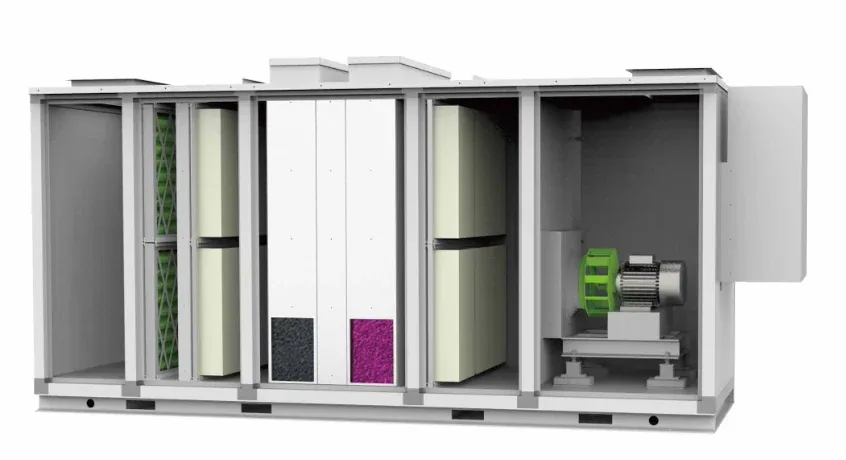
3-Stage Filtration Architecture for Complex Exhaust

Verified against GB/T 14294-2008 & GB/T 34012 standards.

Stage 1: G4 Particulate Trap (37 Pa init / 174 Pa final)
Stage 2: Carbon Deep Bed (Iodine ≥1,000 mg/g · CTC ≥60%)
Stage 3: Chemical Reactive Media (>20% H₂S, >10% SO₂, >9.5% NOx)
Safety Logic Gas Sensor Interlock + Fire Dampers
02 / Equipment Series

WGP Exhaust Treatment & OGP Odor Capture Enclosures

OGP captures wastewater odor at the source; WGP treats the extracted stream through adsorption and chemisorption before atmospheric discharge.
WGP Series · Custom Exhaust Unit Up to 100,000+ m³/h · 2,000 Pa Casing

WGP Exhaust Gas Treatment Unit

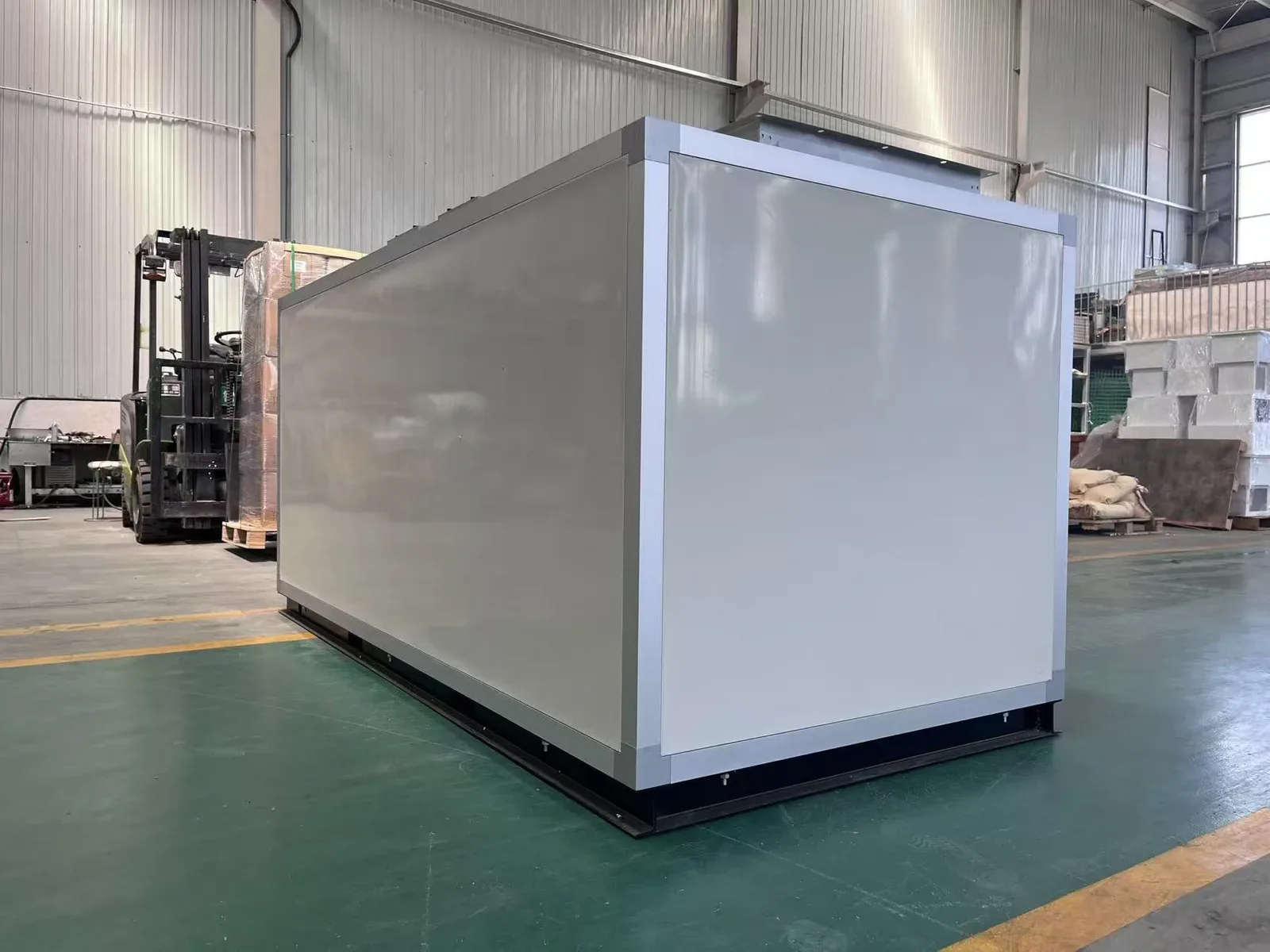
The WGP Series is an engineered-to-order industrial exhaust scrubber combining physical adsorption on coal-based activated carbon with chemisorption on reactive media. Sized for hazardous-waste storage, fine-chemical processes, food odors, and wastewater treatment discharge.

Capacity Range
Several thousand to 100,000+ m³/h
Carbon Quality
Iodine ≥1,000 mg/g · Hardness ≥95% · CTC ≥60%
Purification Benchmark
≥99% H₂S · ≥99% SO₂ · ≥95% TVOC
Safety Controls
Combustible / Toxic Gas Interlock + Fire Dampers
Target Industrial Contaminants
  • Hydrogen Sulfide (H₂S): >20% capacity by media weight
  • Sulfur Dioxide (SO₂): >10% capacity by media weight
  • Chlorine (Cl₂): >10% capacity by media weight
  • Nitrogen Oxides (NOx): ≥9.5% capacity by media weight
  • TVOCs & Toluene: ≥10% capacity by media weight
  • Mercaptans & Ammonia: Physical & reactive capture
OGP Series · Wastewater Enclosures 1,000 to 10,000 m³/h · Source Capture

OGP Wastewater Odor Control Enclosure

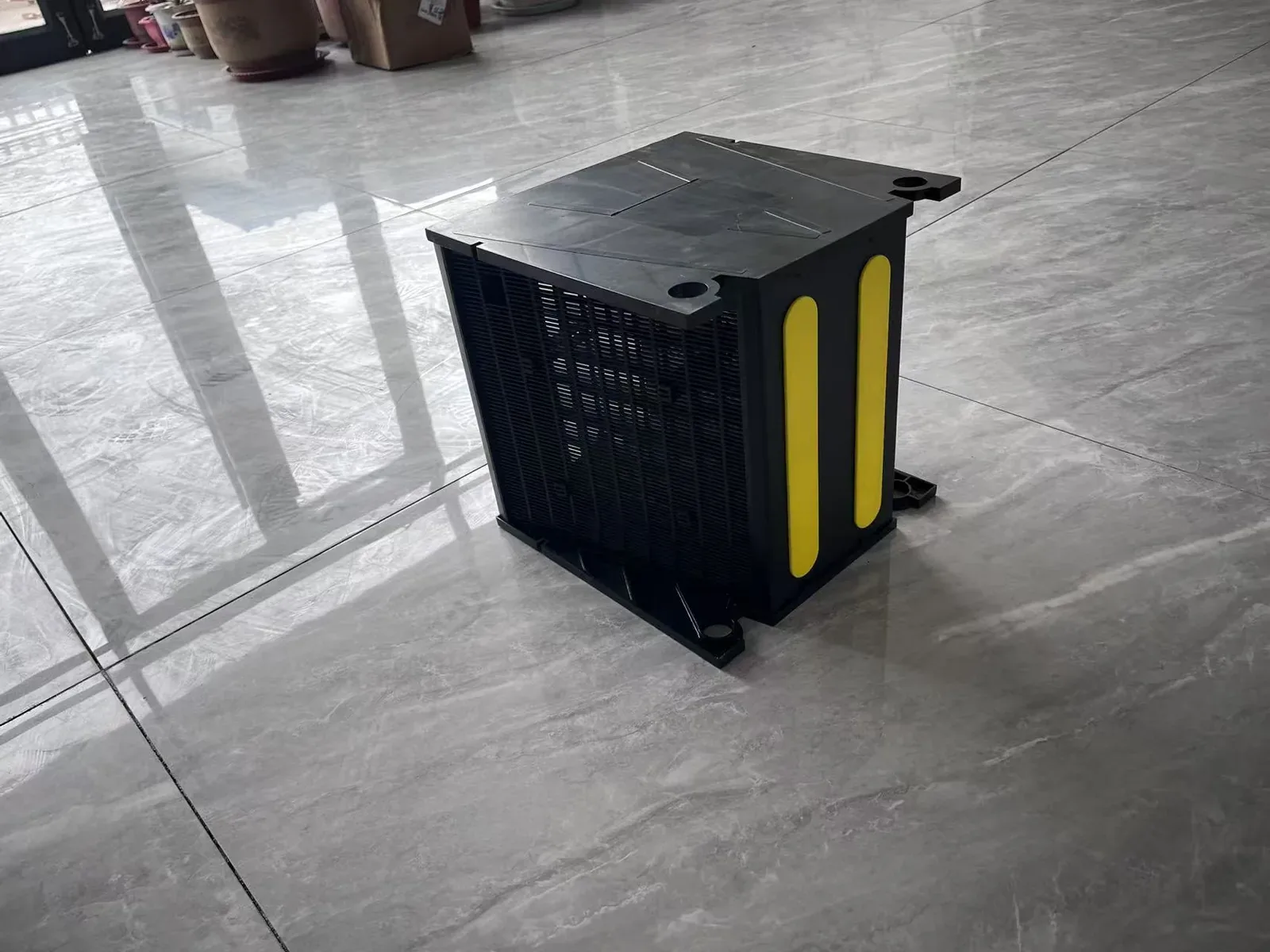
The OGP Series provides modular, corrosion-resistant covers and enclosures for wastewater treatment tanks, channels, and open sumps. Captures odor at the source and routes the stream to WGP for treatment.

Extraction Range
1,000 to 10,000 m³/h across 10 models
Materials
FRP (Fiberglass), Stainless Steel, Polycarbonate
Enclosure Geometries
Arched, Circular, and Flat Segmented Panels
Static Pressure
150 Pa Extraction Head per Unit
OGP Standard Model Ratings
OGP-100: 1,000 m³/h · 0.75 kW
OGP-200: 2,000 m³/h · 1.1 kW
OGP-300: 3,000 m³/h · 2.2 kW
OGP-400: 4,000 m³/h · 3.0 kW
OGP-500: 5,000 m³/h · 4.0 kW
OGP-600: 6,000 m³/h · 4.0 kW
OGP-700: 7,000 m³/h · 5.5 kW
OGP-800: 8,000 m³/h · 5.5 kW
OGP-900: 9,000 m³/h · 7.5 kW
OGP-1000: 10,000 m³/h · 7.5 kW
03 / Equipment Routing

WGP vs. OGP: Capture vs. Treatment Matrix

OGP is the source collection system; WGP is the gas purification system. They work in tandem across municipal and industrial sites.
Equipment Primary Role Capacity Range Key Selection Inputs
WGP Exhaust Treatment Unit Removes gaseous contaminants from outgoing air Several thousand to 100,000+ m³/h (Custom) Gas composition, peak concentrations, temperature, humidity
OGP Wastewater Enclosure Captures odor at tank/channel water surface 1,000 to 10,000 m³/h across 10 models Tank surface dimensions, access requirements, extraction CFM
04 / Procurement Protocol

Information Required for WGP Exhaust Sizing

Provide normal and peak exhaust airflow, complete chemical gas species, moisture, temperature, and target emission discharge limits.
STEP 01

Exhaust Flow (m³/h)

Normal operating and peak upset exhaust airflow rates.

STEP 02

Gas Concentrations

Inlet ppm/mg/m³ for H₂S, SO₂, Cl₂, NOx, NH₃, TVOCs.

STEP 03

Discharge Limits

Required outlet concentration or percentage removal efficiency.

STEP 04

Physical Conditions

Gas temperature, relative humidity, and dust/mist loading.

Engineering Handoff

Submit Industrial Exhaust Parameters for WGP Sizing

YONGFAN engineers will model adsorption isotherms, size bed face area and depth, and supply complete GA drawings.

Airflow: Up to 100,000+ m³/h
Gas Species & Concentrations
Gas Temperature & Humidity
Target Emission Limits
Explosion-Proof Motor Options
OGP Tank Enclosure Sizing
05 / Manufacturing Consistency

Quality Verification & Media Compliance

WGP systems are built from confirmed project drawings with verified media assays and safety interlock functional checks.
Carbon QA

Iodine ≥1,000 mg/g

Activated carbon batches are verified for CTC adsorption (≥60%) and mechanical hardness (≥95%) to prevent bed attrition.

Chemisorbent QA

UL Flame Certified

Chemical media is certified for UL/SGS fire-safety compliance, ensuring non-flammable operation in volatile exhaust streams.

Casing QA

2,000 Pa Structural Test

Heavy-duty casings are pressure tested against 2,000 Pa structural and <1% leakage benchmarks at 1,000 Pa.

Control QA

Interlock Run-Testing

Detector inputs, motorized dampers, and motor overload protections are 100% loop-checked before dispatch.

Segmented Transport: Large WGP units are pre-assembled, modularly segmented for container shipment, and bolted on site. Trade Terms: EXW, FOB, CIF, and DDP export logistics available globally.
06 / Engineering Knowledge

Exhaust Gas Treatment FAQ

Direct engineering answers regarding WGP airflow, media combinations, carbon specifications, and OGP enclosures.

What airflow range does WGP cover?

WGP covers several thousand to 100,000+ m³/h, custom-engineered to match the exhaust stream.

Why does WGP use both activated carbon and chemical media?

Activated carbon provides physical adsorption for organic and odorous VOCs. Chemical media adds chemisorption for acid gases (SO₂, Cl₂) and NOx.

What is the difference between WGP and PSA?

WGP treats outgoing exhaust before atmospheric discharge. PSA treats incoming outdoor air to protect indoor control rooms.

What is OGP?

OGP is YONGFAN’s wastewater odor enclosure system (1,000–10,000 m³/h) that captures fugitive gases from tanks and channels.

What carbon specifications are published?

Coal-based carbon with iodine value ≥1,000 mg/g, hardness ≥95%, and CTC adsorption ≥60%.

Does WGP include safety interlocks?

Yes. The unit integrates with combustible, toxic, and VOC gas detectors, automatic fan interlocks, and fire damper signals.

07 / Application Boundaries

WGP Engineering Boundaries

Understanding when dry adsorption is appropriate versus wet scrubbing or thermal oxidation.
Boundary 01 / Indoor Control Rooms

Not for Fresh Air Supply

WGP is for exhaust streams. For incoming positive-pressure fresh air, select PSA / PSA-PG.

Boundary 02 / Hot / Saturated Gas

High Moisture & Temp

Streams with saturated steam or temperatures >60 °C require pre-cooling or condensation before carbon beds.

Boundary 03 / High Solvent Loads

Extremely High VOCs

Very high solvent concentrations may be better served by regenerative thermal oxidizers (RTO) or solvent recovery.

Boundary 04 / Heavy Mist / Dust

Pre-Treatment Required

Particulate mist or heavy grease requires upstream scrubbers or mist eliminators to prevent bed blinding.

08 / Engineering Handoff

Configure Your Industrial Exhaust Treatment System

Send your exhaust airflow, gas analysis, and discharge compliance targets. YONGFAN engineers will calculate mass loading, design bed geometries, and provide complete GA drawings.

Airflow: Up to 100,000+ m³/h Iodine ≥1,000 mg/g Carbon Dual Adsorption + Chemisorption OGP Enclosures (1,000–10,000 m³/h) 2,000 Pa Structural Casing Gas & Fire Interlocks
YONGFAN replaceable chemical filtration module
Direct Application Engineering Support
Mass loading modeling, residence time sizing & verified GA submittals.