

YONGFAN HVAC - Premium Header
Engineered HVAC & Industrial Air Systems
YONGFAN HVACYOFAN HVAC Home
Menu
Pharmaceutical & Cleanrooms HVAC | YONGFAN
GMP Sterility & Contamination Control

Pharmaceutical Cleanrooms: EU GMP Annex 1 & Bio-Contamination Control

In aseptic manufacturing, sterility requires zero bypass around filter frames, stable 10–15 Pa pressure cascades, and verified in-situ aerosol leak testing.

Compare YONGFAN GCDZ-26Y gel-seal knife-edge HEPA modules, GFK/GCFK ceiling diffusers, FFU laminar flow units, YFVAV-S-T100 pressure cascade controls, and PSA chemical scrubbers for pharmaceutical manufacturing.

GMP Cleanliness Grades A, B, C, D
Filter Sealing GCDZ-26Y Gel-Seal Knife Edge
Pressure Step 10–15 Pa Cascade Stability
Validation QA ISO 14644-3 PAO Challenge
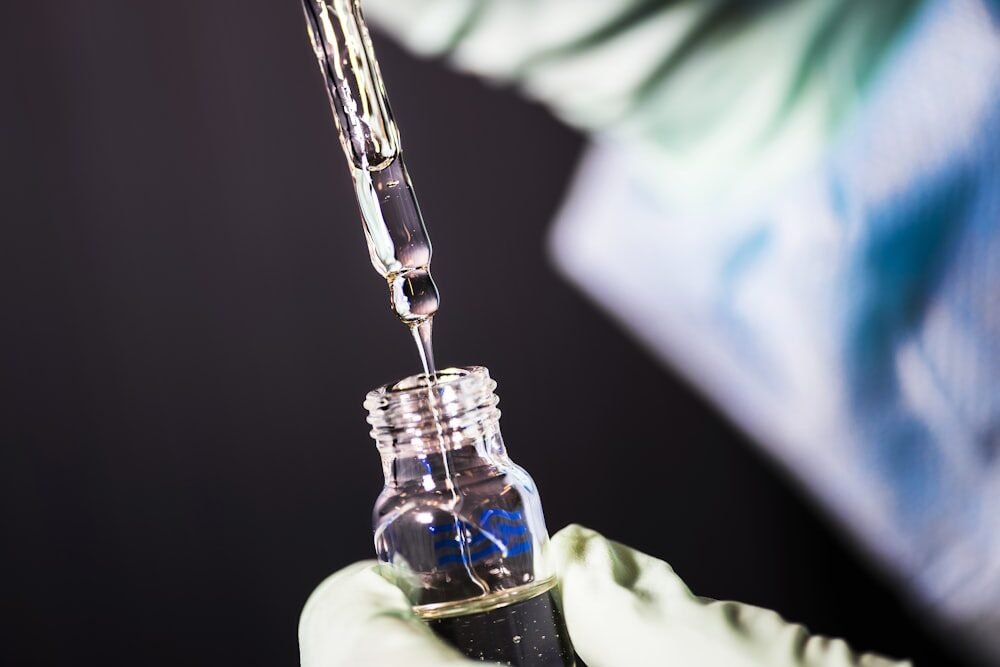
Pharmaceutical cleanroom aseptic filling line under laminar flow HEPA filtration
Aseptic Processing Compliance EU GMP Annex 1 Contamination Control Strategy, Zero Bypass Sealing & Cascaded Pressure Envelopes
01 / Failure Mechanisms

Temperature & Humidity Control Is Not Sterility

A pharmaceutical suite maintains perfect 20°C and 50% RH, but environmental monitoring fails during media fills due to housing bypass, pressure inversion, or lack of aerosol challenge verification.
Pharmaceutical sterile manufacturing suite and airlock pressure barrier
Sterility Assurance Boundary

Why EU GMP Annex 1 Enforces Continuous CCS

Per EU GMP Annex 1 (2022/2023 revision), cleanroom qualification requires verified integrity of the entire air handling barrier, not merely filter efficiency certificates.

Gasket Compression Bypass

Clamped dry neoprene gaskets lose elasticity or warp over time, allowing unfiltered air from ceiling plenums to bypass directly into Grade A/B filling zones.

Impact: Microbial colony count excursion in Grade A

Pressure Cascade Inversion

When cleanroom doors open or VAV dampers hunt, pressure flips negative relative to corridors, pulling bio-burden backwards into sterile preparation rooms.

Impact: Cross-contamination across airlock boundaries

Absence of Upstream DOP Ports

Terminal housings lacking dedicated challenge aerosol injection ports and ΔP reference lines force destructive testing or invalid in-situ validation scans.

Impact: Regulatory validation audit shutdown

Unstaged HEPA Loading

Omitting fine F7/F8 medium filtration allows coarse dust to blind terminal HEPA elements, collapsing laminar face velocity below 0.36–0.54 m/s.

Impact: Laminar flow breakdown & air stagnation

The Four Pillars of GMP HVAC Contamination Control

Pharmaceutical cleanrooms require seamless integration of sealing mechanics, staged filtration, and dynamic pressure stabilization.

01 EU GMP Grade A/B/C/D Cleanliness Limits
02 Gel-Seal Zero-Bypass Knife-Edge Technology
03 10–15 Pa Step Pressure Cascade Balancing
04 In-Situ PAO/DOP Aerosol Challenge Ports
02 / Equipment Lineup

Engineered Equipment for Pharmaceutical GMP Cleanrooms

Traceable equipment families for aseptic terminal delivery, gel-seal zero-bypass ceilings, pressure cascade stabilization, and API molecular emission control.
Architecture 01 · GCDZ-26Y Series Zero Bypass · Liquid Polyurethane Gel

GCDZ-26Y Liquid Gel-Seal HEPA & ULPA Filters

The benchmark terminal filter for Grade A and Grade B aseptic manufacturing suites. GCDZ-26Y (100 mm depth) features a factory-poured liquid polyurethane gel tank channel that mates directly with ceiling grid knife-edges, completely eliminating bypass leakage risks associated with dry gasket compression.

Delivers ≥99.99% MPPS efficiency with an initial clean pressure drop of ≤160 Pa and 400 Pa final limit. Standard dry-gasket GCDZ models are available in 50, 69, and 90 mm depths. 100% individual scan-tested with factory traceability reports.

Gel Sealing
GCDZ-26Y (100 mm) Self-healing polyurethane channel
MPPS Efficiency
≥99.99% at MPPS (EN 1822 / ISO 29463)
Initial Clean ΔP
≤160 Pa (Protects fan static margin)
Frame Material
Anodized extruded aluminum · Stainless steel option
Knife-Edge Requirement: GCDZ-26Y requires cleanroom ceiling grids or GFK terminal housings equipped with inverted knife-edge blades. Ensure blade depth mates fully with the gel channel.
GCDZ-26Y gel seal HEPA filter module for aseptic pharmaceutical cleanroom
GCDZ-26Y Liquid Gel-Seal HEPA Module
Key GMP Advantages:
  • Zero-bypass fluid seal without torque screws
  • Individual automated photometer scan report
  • Resistant to VHP (Vaporized Hydrogen Peroxide)
  • Cleanroom double-bagged packaging
Architecture 02 · GFK / GCFK / FFU DOP Test Ports · 150 mm Shallow Integration

Cleanroom Terminal Equipment (Passive & Powered)

Matching terminal delivery to central AHU static head, ceiling void clearance, and aerosol validation requirements.

GFK (500–3,000 m³/h): Deep ceiling diffuser box in cold-rolled, stainless steel, or aluzinc, with integrated aerosol test injection port and differential pressure sampling line.
GCFK (600–1,200 m³/h): Ultra-thin 150 mm shallow depth terminal for restricted technical spaces, ≤120 Pa clean ΔP, and round flexible spigot.
FFU (900 m³/h): Motorized unit with internal fan, ≤54 dB(A), 180 VA power, and AC 220V supply for LAF benches and laminar hoods.

GFK Pharma Port
Integrated PAO/DOP port + ΔP pressure taps
GCFK Ultra-Thin
150 mm depth · 600, 900, 1,200 m³/h models
FFU Motorized
900 m³/h · ≤54 dB(A) · 180 VA power
Housing Metals
SUS304 Stainless Steel · Powder-coated cold rolled
Validation Port Accessibility: Always specify integrated aerosol challenge ports on terminal housings to allow room validation technicians to inject PAO from below the ceiling.
Pharmaceutical cleanroom ceiling diffuser terminal with DOP aerosol testing port
GFK Stainless Steel Terminal with DOP Port
Terminal Selection Protocol:
  • GFK with SUS304 for sterile washdown zones
  • GCFK for shallow voids under 250 mm
  • FFU for Grade A laminar flow hoods
  • DFX fan boxes for secondary sample prep suites
Architecture 03 · YFVAV-S-T100 10–15 Pa Cascades · Fast Actuation

Dynamic Pressure Cascade & Airlock Balancing Controls

Maintaining compliant 10–15 Pa pressure differentials between Grade A/B suites, Grade C corridors, and personnel airlocks (PAL/MAL) requires fast-acting, pressure-independent airflow regulation.

YFVAV-S-T100 circular pressure-independent VAV terminals (Ø125–Ø400 mm, 122 to 6,232 m³/h) maintain precise volume supply and exhaust regardless of duct pressure fluctuations. Paired with airtight shut-off dampers (Class 4 low leakage) for room isolation during routine Vaporized Hydrogen Peroxide (VHP) bio-decontamination.

VAV Scope
122 – 6,232 m³/h · Ø125 to Ø400 mm
Control Mechanism
Pressure-independent dynamic flow sensor
Cascade Step
10–15 Pa stable pressure barrier between grades
VHP Isolation
Class 4 airtight bubble-tight isolation dampers
Decontamination Interlock: Ensure isolation dampers feature fast spring-return actuators interlocked with the facility VHP generator and BMS safety trips.
Pressure independent VAV terminal and airtight isolation damper in pharma ductwork
Pressure Cascade Control VAV & Damper
Pressure Envelope Logic:
  • Positive pressure for sterile aseptic suites
  • Negative pressure for potent API / cytotoxic bays
  • Sink / Bubble / Cascade airlock configurations
  • Direct Modbus/BACnet integration to BMS
Architecture 04 · ZF / PSA Series Upstream Staging · API Solvent Scrubbing

Upstream Multi-Stage Filtration & Chemical Odor Control

Protecting final HEPA elements and removing active pharmaceutical ingredient (API) solvent fumes, alcohol sanitization vapors, and make-up air pollutants.

Particulate Staging: Primary CG panel filters (25–45 Pa) → fine ZF7(8) F7/F8 bag filters (96/100 Pa) or compact ZZH V-banks extend terminal HEPA life from months to years.
Chemical Scrubbing: PSA Chemical Filtration Units (850–34,000 m³/h) remove organic solvents (IPA, ethanol, acetone), odorous sulfur compounds, and ambient outdoor gases.

Primary Pre-Filters
CG (25–45 Pa) · Washable CNL/CJS (≤10–15 Pa)
Medium Bag Filters
ZF7(8) F7/F8 (96/100 Pa) · ZF9 F9 (120 Pa)
PSA Chemical Units
850 – 34,000 m³/h · Double-skin 2,000 Pa casing
Chemical Media
Activated carbon (CTC ≥60%) + Chemisorption
Solvent Adsorption Note: For API manufacturing suites with high solvent evaporation, size carbon media mass according to peak daily solvent volume and air exchange rate.
PSA gas phase chemical filtration unit removing pharmaceutical solvent vapors
PSA Multi-Stage Chemical Filtration Skid
Target Chemical Vapors:
  • Isopropanol (IPA) & Ethanol sanitizers
  • Acetone, Methylene Chloride, DMF solvents
  • Odor emissions from biological fermentation
  • Ambient SO2, NOx, and ozone from outdoor air
03 / Selection Matrix

Pharmaceutical Cleanroom Routing Table

Cross-reference YONGFAN components by pharmaceutical GMP requirement, supplier boundaries, and the first technical confirmation input.
Cleanroom Requirement First YONGFAN Route Supplier-Supported Boundary First Input to Confirm Specification Action
Coarse upstream pre-filtration CG 25–45 Pa initial; CNL ≤15 Pa; CJS ≤10 Pa Pre-filter face dimensions and dust loading Configure Pre
Medium-stage particulate control ZF7/F8 (96/100 Pa); ZF9 (120 Pa); ZZH V-Bank Target test grade and allowable static pressure Configure Medium
Aseptic Grade A/B knife-edge HEPA ≥99.99% MPPS · 100 mm gel channel · ≤160 Pa Knife-edge grid compatibility and airflow Configure Gel
Grade C/D dry-gasket HEPA ≥99.99% MPPS · 50/69/90 mm depth · ≤160 Pa Clamping mechanism and frame depth Configure Gasket
Passive diffuser box with DOP port 500–3,000 m³/h · Integrated PAO port + ΔP taps Material (SUS304 / Steel) and duct drop size Configure GFK
Shallow ceiling void diffuser 600–1,200 m³/h · 150 mm depth · ≤120 Pa Clear plenum depth and spigot orientation Configure GCFK
Grade A laminar flow hood 900 m³/h · ≤54 dB(A) · 180 VA power Unit quantity and electrical bus architecture Configure FFU
10–15 Pa pressure cascade control 122–6,232 m³/h · Ø125–Ø400 mm inlet Differential pressure target and duct size Configure VAV
VHP bio-decontamination isolation Class 4 low leakage · Spring return actuator Duct dimensions and actuator voltage Configure Damper
API solvent vapor scrubbing 850–34,000 m³/h · 2,000 Pa casing rating Solvent species and daily evaporation mass Configure PSA
04 / Procurement Protocol

Information Required for a Pharma Cleanroom Quotation

Freeze GMP grade, ceiling interface geometry, seal mechanism, challenge port requirements, and pressure cascade steps for accurate equipment sizing.
STEP 01

GMP Grade & Airflow

State EU GMP Grade (A, B, C, D), room air change rate (typically 20–60 ACH), design supply airflow, and required laminar velocity (0.36–0.54 m/s).

STEP 02

Filter Sealing & Ports

Confirm whether ceiling requires GCDZ-26Y gel-seal or dry gasket, and verify integrated PAO aerosol challenge and ΔP reference port locations.

STEP 03

Pressure Cascades

Provide room differential pressure schedule (e.g., +15 Pa Grade B to +30 Pa Grade A), airlock type, and VAV terminal damper response speed.

STEP 04

VHP & Chemical Scopes

Specify if room undergoes VHP sterilization (requiring Class 4 airtight dampers) and provide API solvent vapor emission rates for PSA scrubbing.

Engineering Handoff

Required Parameters for Pharma RFQs

Submit your cleanroom drawings and schedule data. YONGFAN application engineers will verify knife-edge dimensions, clean pressure losses, and validation ports.

1. EU GMP Cleanroom Grade (A, B, C, D)
2. Terminal Airflow & Face Velocity (m/s)
3. GCDZ-26Y Gel-Seal vs. Dry Gasket Frame
4. GFK Stainless Steel Housing with DOP Port
5. 150 mm GCFK Ultra-Thin Clear Void Height
6. Pressure Cascade Differential Step (10–15 Pa)
7. VHP Decontamination Airtight Isolation Dampers
8. Individual Factory MPPS Pinhole Scan Certificate
05 / Manufacturing Verification

Pharma Cleanroom QA & Sterility Compliance

Automated polyurethane gel dispensing, 100% individual aerosol leak scan verification, and ISO 14644-3 validation test port integration.
Zero Bypass

Automated Gel Dispensing

Continuous robotic metering ensures bubble-free, perfectly leveled polyurethane gel in GCDZ-26Y channels for zero bypass around knife edges.

Individual QA

100% Factory Pinhole Scan

Every HEPA module is scan-tested across media pleats and potting using calibrated laser photometers per EN 1822 and ISO 29463 standards.

In-Situ Testing

Integrated PAO Test Ports

GFK terminal diffusers feature internal aerosol dispersion tubes and upstream pressure sample ports to simplify on-site ISO 14644-3 requalification.

Traceability

Cleanroom Double Bagging

Filters and terminal units are cleaned, labeled with serialized test reports, and double heat-sealed in polyethylene bags before packaging.

06 / Engineering Knowledge

Pharmaceutical Cleanrooms Frequently Asked Questions

Technical answers to key selection questions regarding gel seals vs. dry gaskets, Annex 1 compliance, DOP testing, and pressure cascades.

Why is gel-seal preferred for Grade A and B cleanrooms?

GCDZ-26Y gel-seal filters use a liquid polyurethane channel that embeds over ceiling knife-edges. Unlike dry gaskets that require mechanical torque and can leak over time, fluid gel creates a self-healing, zero-bypass seal required by EU GMP Annex 1.

What is the difference between GFK and GCFK?

GFK is a standard deep terminal housing (with integrated aerosol test ports) handling up to 3,000 m³/h. GCFK is an ultra-thin 150 mm shallow-depth terminal designed specifically for tight ceiling voids where deep boxes cannot physically fit.

Can FFU be used in pharmaceutical cleanrooms?

Yes. FFUs are widely used in laminar airflow (LAF) workbenches, mobile sampling booths, and cleanroom ceiling grids to provide uniform unidirectional airflow (≥0.36 m/s) with quiet operation (≤54 dB(A)).

How do YFVAV terminals maintain 10–15 Pa pressure cascades?

YFVAV-S-T100 terminals use pressure-independent dynamic flow sensors that modulate dampers rapidly to maintain constant supply or exhaust CFM regardless of duct static pressure changes, locking in stable room differential barriers.

How does staged filtration extend HEPA filter service life?

Using CG primary pre-filters (25–45 Pa) followed by ZF7(8) F7/F8 medium bag filters (96/100 Pa) intercepts over 90% of coarse and fine dust before it reaches the terminal HEPA stage, extending HEPA life from 6 months to 3–5 years.

Are YONGFAN terminal diffusers compatible with VHP sterilization?

Yes. GFK housings are available in SUS304 stainless steel with airtight shut-off dampers that isolate the cleanroom suite during periodic Vaporized Hydrogen Peroxide (VHP) cycles without chemical degradation.

What does the factory HEPA scan report include?

Each serialized GCDZ/GCDZ-26Y filter includes a certificate showing measured airflow, clean initial pressure drop, overall MPPS efficiency, and verification of zero pinhole leaks across 100% of the media face.

Can PSA chemical units remove alcohol sanitization vapors?

Yes. PSA Chemical Filtration Units equipped with activated carbon chemisorption beds effectively adsorb isopropanol (IPA) and ethanol sanitization fumes, preventing VOC buildup in recirculated cleanroom air.

07 / Application Boundaries

Pharma HVAC Scope Ends at the Component Interface

Understanding system boundaries ensures clear delineation of engineering responsibilities across pharmaceutical facility validation.
Boundary 01 / Validation Scope

Not Turnkey Validation

YONGFAN manufactures and certifies filter hardware and terminals; final room IQ/OQ/PQ validation and smoke studies belong to the validation contractor.

Boundary 02 / Process Machinery

Not Process Isolators

YONGFAN supplies cleanroom ceiling diffusers and FFUs; sterile filling machines, isolators, and RABS equipment are supplied by specialized machine vendors.

Boundary 03 / On-Site PAO

In-Situ Field Testing

Factory scan reports certify elements before dispatch; installed in-situ PAO aerosol challenge testing must be executed by certified cleanroom certifiers.

Boundary 04 / VHP Protocol

Bio-Decontamination Protocol

YONGFAN provides VHP-compatible materials and airtight isolation dampers; sterilization cycle timing and biological indicator verification remain owner scope.

08 / Engineering Handoff

Plan Pharmaceutical Cleanroom HVAC Components

Send your GMP cleanroom grades, ceiling layout drawings, pressure cascade schedule, and terminal airflow requirements — YONGFAN engineers will configure compliant gel-seal HEPA, diffuser, and VAV packages.

EU GMP Grade A/B/C/D GCDZ-26Y Gel-Seal Knife Edge GFK Housing with DOP Test Port 150 mm GCFK Ultra-Thin Diffuser 10–15 Pa Pressure Cascade VAV VHP Airtight Isolation Dampers
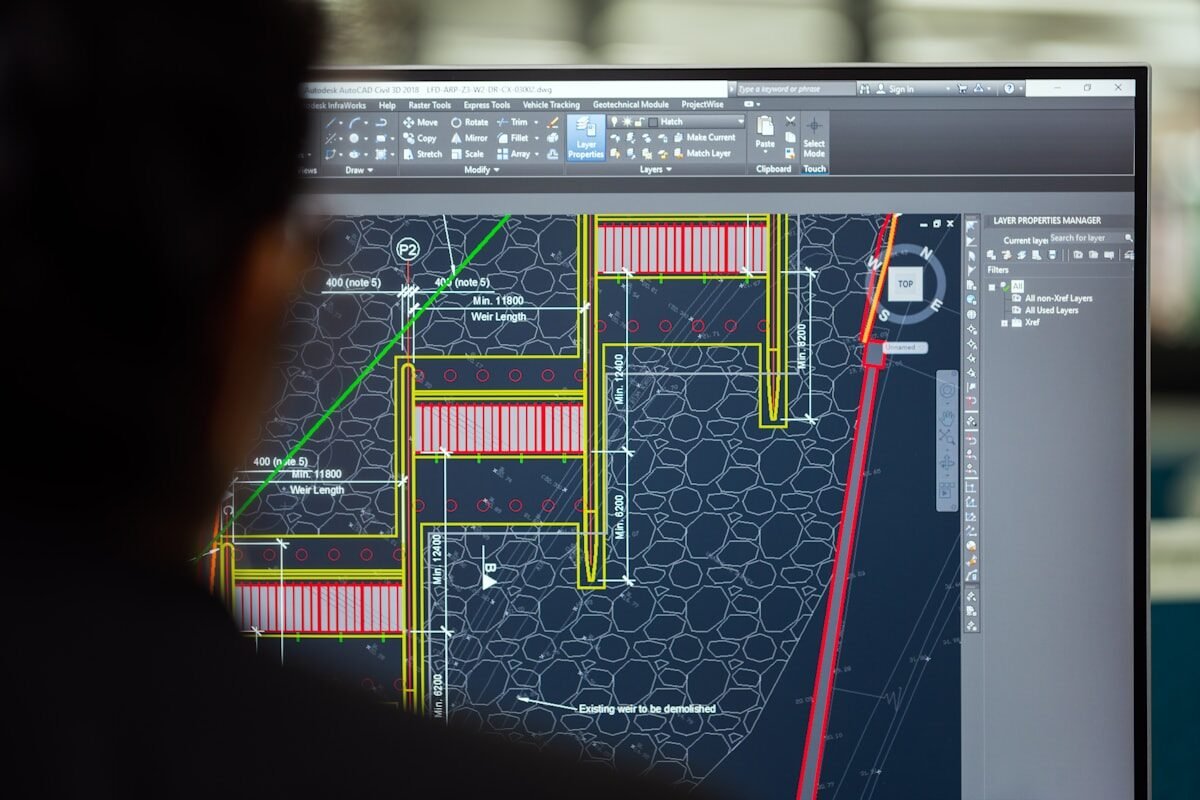
Engineers reviewing pharmaceutical cleanroom ceiling layouts and validation schedules
Pharmaceutical Cleanroom Engineering
EU GMP Annex 1 compliance verification, gel-seal knife-edge coordination & pressure cascade balancing.