

YONGFAN HVAC - Premium Header
Engineered HVAC & Industrial Air Systems
YONGFAN HVACYOFAN HVAC Home
Filter Selection Guide | HVAC & Cleanroom Filters | YONGFAN
Air Filtration Engineering & Sizing

Filter Selection Guide: Particulate, HEPA & Gas Adsorption

Filter selection starts by identifying what must be removed, where the filter sits in the air system, and how much pressure the fan can spend on that filtration stage.

Compare YONGFAN primary pre-filters (CG/CCB/CNL/CJS), medium-efficiency bag and rigid filters (ZF/ZZH/ZDZ/ZYG), high-efficiency HEPA elements (GCDZ / GCDZ-26Y gel-seal), cleanroom terminals (GFK/GCFK/FFU), and activated-carbon systems (HT/V-Type/HTD) per ISO 16890, ISO 29463, and ISO 10121 standards.

Primary Stages CG (25–45 Pa) · CCB (10 mm)
Medium Stages ZF Bag (50–120 Pa) · ZZH V-Bank
HEPA & Terminals GCDZ-26Y Gel-Seal · GCFK 150mm
Standards ISO 16890 · ISO 29463 · ISO 10121
Air filtration bank showing pre-filters, medium bags, and HEPA filter modules
Multi-Stage Filtration Engineering ISO 16890 Fractional Efficiency, ISO 29463 MPPS Testing & Frame Seal Integration
01 / Selection Methodology

Do Not Start with Filter Size or the Highest Grade

A “595 × 595 filter” can be a coarse pre-filter, a deep bag filter, a rigid V-bank, a HEPA element, or a carbon canister. A higher particle grade does not remove molecular gases, and HEPA fails if the frame seal allows bypass.
Pharmaceutical cleanroom ceiling with high efficiency HEPA filtration modules
Standardized Evaluation

ISO 16890, 29463 & 10121

Per ISO 16890-2:2022, ISO 29463-1:2024, and ISO 10121-1:2014, filter selection requires aligning test basis, rated face velocity, initial/loaded resistance, and frame seal mechanics.

Particulate vs. Gas-Phase Confusion

Installing dense HEPA filters to combat acid gases or odors fails completely because molecular gases pass unimpeded through glass-fiber particle media.

Impact: Odor breakthrough & chemical corrosion

Omission of Loaded Filter Resistance

Sizing fan static pressure based only on clean filter resistance (e.g. 160 Pa) causes airflow to collapse as filters load toward 400 Pa final resistance.

Impact: Severe airflow loss & room pressure collapse

Gasket vs. Gel-Seal Housing Mismatch

Forcing a dry gasket filter into a knife-edge grid or using a gel-seal filter in a flat compression frame destroys the seal and permits major bypass.

Impact: Failed cleanroom validation & particle leaks

Face Size vs. Rated Airflow Gap

Two 595 × 595 mm filters can have vastly different media area, pleat count, or bag pockets, resulting in 2× airflow or pressure drop differences.

Impact: High initial pressure & short service life

The Four Core Selection Questions

Before specifying an individual filter model, resolve these four fundamental system variables:

01 Contaminant Type: Particulate vs. Molecular Gas
02 Filtration Stage: Primary → Medium → HEPA → Carbon
03 Airflow & Fan Static Pressure Budget (ΔP)
04 Housing Depth, Seal Interface & Maintenance
02 / Filter Stages

Staged Air Filtration Product Architectures

Compare YONGFAN primary, medium, HEPA, cleanroom terminal, and activated-carbon families across efficiency, initial resistance, and physical depth.
Stage 01 · CG / CCB / CY / CNL / CJS Coarse Protection · 10 to 45 Pa Initial ΔP

Primary Pre-Filters: Coarse Dust Protection

Primary filters represent the first replaceable stage, stopping coarse dust, fibers, and insects to protect cooling coils, fans, and finer downstream medium/HEPA filters from premature blinding.

CG Series: Conventional 45 mm panel filter, 25–45 Pa initial ΔP, standard airflow 800 to 3,200 m³/h.
CCB Series: Ultra-thin 10 mm depth, 25 Pa initial resistance for shallow retrofit tracks.
CY Series: 25 mm disposable moisture-resistant cardboard frame.
CNL & CJS: Washable nylon mesh (≤15 Pa) and metal mesh (≤10 Pa) for facilities with dedicated filter washing protocols.

CG Panel
45 mm depth · 25–45 Pa initial · 800–3,200 m³/h
CCB Ultra-Thin
10 mm depth · 25 Pa initial · Shallow retrofit frame
CY Cardboard
25 mm depth · Disposable economical construction
Washable CNL/CJS
CNL ≤15 Pa (Nylon) · CJS ≤10 Pa (Metal mesh)
Washable Filter Rule: Specify washable CNL/CJS only when the facility has established procedures to clean and dry filters thoroughly before re-installation.

CG primary panel air filter in HVAC air handling unit
CG Primary Panel Pre-Filter
Key Selection Factors:
  • Track depth (10 mm vs 25 mm vs 45 mm)
  • Initial pressure drop allowance (≤10 to 45 Pa)
  • Disposable vs washable maintenance strategy
  • Galvanized steel vs aluminum vs card frame
Stage 02 · ZF / ZZH / ZDZ / ZYG Fine Particulate Control · 50 to 125 Pa Clean ΔP

Medium-Efficiency Filters: Bag & Rigid Compact

The medium stage removes fine atmospheric particulates, protecting indoor commercial spaces, high-value coils, and terminal HEPA filters from fine dust loading.

ZF Pocket Bag Filters: Deep synthetic media pockets (600 mm depth). Representative clean resistance: ZF5 (50 Pa), ZF6 (55 Pa), ZF7 (96 Pa), ZF8 (100 Pa), ZF9 (120 Pa).
Rigid Alternatives: ZZH V-bank filters, ZDZ mini-pleats, and ZYG glass-fiber separator-box filters (≤125 Pa, up to 80°C/80% RH). Used where 600 mm bag clearance is unavailable.

ZF Bag Series
600 mm pocket depth · ZF5 (50 Pa) to ZF9 (120 Pa)
ZZH V-Bank
Rigid high-surface V-bank · Compact 292 mm depth
ZDZ Mini-Pleat
Close-pleat low-profile rigid box construction
ZYG Separator
Glass-fiber corrugated aluminum separator (≤125 Pa)
Bag Depth Clearance: Ensure AHU sections provide >650 mm downstream depth so bag pockets inflate fully without contacting coils or downstream walls.
ZF multi-pocket synthetic bag air filter installed in commercial HVAC bank
ZF Multi-Pocket Medium Bag Filter
Key Capabilities:
  • High dust-holding capacity in deep pockets
  • ZZH V-bank for restricted AHU length
  • ISO 16890 ePM1 and ePM2.5 test basis
  • Galvanized header frame with polyurethane seal
Stage 03 · GCDZ / GFK / GCFK / FFU ≥99.99% MPPS · Gel-Seal & 150 mm Ultra-Thin

HEPA Filters & Cleanroom Terminal Equipment

High-efficiency filtration for cleanrooms, healthcare suites, and microelectronics. Final HEPA selection is a filter-plus-seal decision.

GCDZ Filter Elements: ≥99.99% at MPPS, ≤160 Pa initial resistance, 400 Pa final limit. GCDZ-26Y (100 mm) features liquid polyurethane gel-seal for knife-edge ceiling grids.
GFK Passive Terminals: 500 to 3,000 m³/h with integrated PAO test port and ΔP reference lines.
GCFK Ultra-Thin: 150 mm shallow depth (600, 900, 1,200 m³/h, ≤120 Pa ΔP).
FFU Fan Filter Units: 900 m³/h motorized terminal, ≤54 dB(A), 180 VA power.

GCDZ-26Y Gel-Seal
100 mm gel channel · ≥99.99% MPPS · Zero bypass
GCDZ Dry Gasket
50 / 69 / 90 mm depths · Neoprene gasket seal
GCFK Ultra-Thin
150 mm depth · 600–1,200 m³/h · ≤120 Pa
FFU Motorized
900 m³/h · ≤54 dB(A) · Distributed fan power
Seal Interface Protocol: Dry-gasket compression and gel-seal knife-edge housings require different grid hardware. Never interchange seals without checking frame mating.
GCDZ-26Y gel seal HEPA filter installed in cleanroom ceiling diffuser
GCDZ-26Y Liquid Gel-Seal HEPA Module
Cleanroom Terminal Logic:
  • GFK for deep voids with central duct pressure
  • GCFK for restricted ceiling voids under 250 mm
  • FFU for decentralized fan power & LAF hoods
  • 100% individual photometer leak test report
Stage 04 · HT / V-Type / HTD / Panel Molecular Gas Adsorption · ISO 10121

Activated Carbon & Gas-Phase Molecular Filters

Removing gaseous molecular contaminants (VOCs, odors, H₂S, SO₂, NOx, ammonia, acid fumes) through physical adsorption and targeted chemisorption.

HT Canisters: Refillable cylindrical canisters (1.7 kg / 85 m³/h; 2.6 kg / 150 m³/h) mounted in 4/8/12/16-canister frames.
V-Type Carbon: High media mass V-bank modules (galvanized 700–3,600 m³/h; plastic 1,360–3,740 m³/h).
HTD High-Airflow: Rigid standard modules (HTD-A/B/C: 1,600–3,200 m³/h at 120 Pa).
Panel Carbon: Shallow compact filters for light odor duty.

HT Canisters
1.7 / 2.6 kg carbon · Refillable granular media
V-Type Carbon
High media surface · 0.16–0.035s contact time
HTD High-Airflow
1,600 – 3,200 m³/h per module · 120 Pa ΔP
Fixing Frames
610×610, 508×508, 305×610 mm (20/45/65 mm inserts)
Target Gas Chemistry: Activated carbon is not universal. Impregnated chemisorption media is required for acidic gases, ammonia, and low-molecular-weight VOCs.
HT activated carbon canister array for industrial odor control
HT Refillable Granular Carbon Array
Gas-Phase Selection Rules:
  • HT for lowest lifecycle refillable maintenance
  • V-Type for compact high-efficiency museums
  • HTD for high-airflow HVAC air handlers
  • Always specify target gas and concentration
03 / Selection Matrix

Filter Family Routing Table

Cross-reference YONGFAN filtration families by application requirement, published boundary, and the primary technical confirmation input.
Selection Problem First YONGFAN Family Published Supplier Boundary Primary Decision Factor Action
Coarse disposable pre-filtration CG (25–45 Pa, 45mm); CCB (25 Pa, 10mm); CY (25mm) Grade, frame depth, and initial resistance Configure Pre
Washable coarse filtration CNL nylon (≤15 Pa); CJS metal mesh (≤10 Pa) Cleaning procedure and low initial ΔP Configure Mesh
Deep medium bag filtration 600 mm bag depth · ZF5 (50 Pa) to ZF9 (120 Pa) Required test grade, 600 mm depth, fan pressure Configure Bag
Compact rigid medium filtration ZZH V-bank; ZDZ mini-pleat (compact 292 mm body) Efficiency, airflow, and restricted AHU depth Configure Rigid
Rigid separator medium filter ≤125 Pa initial · 80°C / 80% RH limits Glass-fiber construction & operating temperature Configure ZYG
Final HEPA filter element ≥99.99% MPPS · ≤160 Pa · 50–100 mm Test class, airflow, depth, dry vs. gel seal Configure HEPA
Passive cleanroom diffuser box 500–3,000 m³/h · Integrated PAO & ΔP ports Central fan pressure and ceiling opening Configure GFK
Shallow passive cleanroom terminal 600–1,200 m³/h · 150 mm depth · ≤120 Pa 150 mm ceiling void depth constraint Configure GCFK
Fan-powered cleanroom terminal 900 m³/h · ≤54 dB(A) · 180 VA power Distributed fan power architecture Configure FFU
Refillable granular gas filtration 85 / 150 m³/h per canister · 1.7 / 2.6 kg carbon Target gas, carbon mass, and refillable service Configure HT
Compact deeper gas filtration 700–3,740 m³/h · 0.16–0.035s contact time Gas species, face velocity, and contact time Configure V-Type
High-airflow carbon module 1,600–3,200 m³/h · 120 Pa initial ΔP Airflow per module and fan pressure budget Configure HTD
Filter-bank mounting frames 610×610, 508×508, 305×610 mm · 20/45/65mm Face size, insert depth, and gasket interface Configure Frame
04 / Procurement Protocol

Information Required for Air Filter Quotations

Submit these parameters to size filter modules, verify bank face velocities, and ensure housing compatibility.
STEP 01

Application & Test Standard

State room/cleanroom classification, target particulate size, and applicable test standard (ISO 16890 / ISO 29463 / ISO 10121).

STEP 02

Airflow & Face Geometry

Provide total bank airflow (m³/h), module count, exact face dimensions (W × H mm), and maximum allowable housing depth.

STEP 03

Pressure Drop Budget

State maximum clean initial ΔP and fan replacement trigger limit (ΔP final, e.g. 400 Pa for HEPA), plus air temperature/RH.

STEP 04

Sealing & Gas Target

Confirm gasket type (flat neoprene vs liquid gel seal), and specify target gas species and concentration for carbon stages.

Engineering Handoff

Required Parameters for Filter RFQs

Submit your AHU filter schedules or cleanroom drawings. YONGFAN filtration engineers will verify face velocities, initial pressure drops, and seal configurations.

1. Application & ISO Cleanroom Target Class
2. Airflow per Filter & Total Bank Flow (m³/h)
3. Filter Face Dimensions: W × H × D (mm)
4. Initial Clean ΔP & Maximum Final ΔP (Pa)
5. GCDZ Dry Gasket vs. GCDZ-26Y Gel-Seal
6. Target Gaseous Contaminant (VOCs, SO₂, NOx)
7. Operating Temperature (°C) & Relative Humidity (%)
8. Frame Material (Galvanized / Aluminum / SUS304)
05 / Manufacturing Verification

Filter Production QA & Leak Scan Verification

Automated pleating, mini-pleat separator assembly, 100% individual laser scan testing, and gel potting verification.
Automated Pleating

Pleat Geometry Control

Automated pleating controls pleat height and pocket spacing, ensuring uniform airflow velocity distribution and low clean resistance.

100% Scan QA

Individual MPPS Laser Scan

Every GCDZ HEPA module is 100% laser photometer scan-tested per ISO 29463 to verify zero pinhole leakage across media and frame potting.

Gel-Seal Potting

Polyurethane Gel Metering

Robotic liquid gel dispensing ensures continuous, bubble-free polyurethane channels in GCDZ-26Y filters for zero-bypass knife-edge sealing.

Dispatch Cycle

7–15 Days Dispatch

Standard air filters dispatch typically in 7–15 days depending on quantity; non-standard W×H×D sizes manufactured to project drawings.

06 / Engineering Knowledge

Filter Selection Frequently Asked Questions

Technical answers to key selection questions regarding filter staging, HEPA vs medium grades, carbon saturation, and non-standard sizes.

Which filter should I choose first in a multi-stage HVAC system?

Start with the contamination problem and downstream protection. A typical sequence uses primary pre-filters (CG), medium bag/rigid filters (ZF/ZZH), and then final HEPA (GCDZ) or carbon (V-Type/HT) where required.

Should I always select the highest filter efficiency available?

No. Higher efficiency increases resistance and fan energy. Select the efficiency that meets the cleanroom or IAQ requirement while preserving design airflow within fan head limits.

Can an F7 or F9 medium filter replace a HEPA filter?

No. Medium filters and final HEPA filters serve different particle-size fractions and test standards (ISO 16890 vs. ISO 29463 MPPS ≥99.99%).

Can a HEPA filter remove odors or VOCs?

Not by particle filtration. Gaseous molecular pollutants require activated carbon or impregnated chemisorption media matched to the target contaminant.

What is the difference between GCDZ and GFK?

GCDZ is the replaceable high-efficiency filter element. GFK is the complete passive ceiling diffuser box/housing with integrated PAO test ports.

What is the difference between GCFK and FFU?

GCFK is a shallow (150 mm) passive terminal requiring central fan pressure. FFU integrates an internal motorized fan for decentralized cleanroom power.

Can I replace a bag filter with a V-bank filter if face size matches?

Only after checking test efficiency grade, rated airflow, clean ΔP, available depth, retaining clip interface, and available fan static pressure budget.

Can YONGFAN manufacture non-standard filter dimensions?

Yes. YONGFAN supports non-standard W × H × D dimensions, custom frame materials (galvanized, aluminum, SUS304), and tailored gasket locations.

07 / Application Boundaries

Filter Selection Scope Ends at the Filter Frame

Understanding system boundaries ensures clear delineation of engineering responsibilities across HVAC and cleanroom projects.
Boundary 01 / Fan Static Budget

AHU Fan Pressure Head

YONGFAN publishes initial ΔP; ensuring the fan has sufficient total static pressure to overcome loaded filters belongs to the HVAC designer.

Boundary 02 / In-Situ Validation

On-Site PAO Aerosol Testing

Factory certificates verify element integrity; on-site installed aerosol challenge testing (ISO 14644-3) must be performed by certified cleanroom testers.

Boundary 03 / Cleanroom Class

Room ISO Classification

Filter efficiency is one component; total room ISO classification depends on air change rates, room pressure cascades, and personnel gowning protocols.

Boundary 04 / Gas Breakthrough

Carbon Saturation Monitoring

Gas-phase breakthrough does not register on ΔP gauges; continuous gas monitoring and laboratory sacrificial media testing belong to facility maintenance.

08 / Engineering Handoff

Request Air Filter Selection & Sizing

Send your air-system airflow, face dimensions, target contaminants, and allowable static pressure — YONGFAN filtration application engineers will configure optimized pre, medium, HEPA, and carbon filter schedules.

Primary CG / CCB / CNL / CJS Medium ZF Bag / ZZH V-Bank GCDZ-26Y Gel-Seal HEPA GCFK 150mm · FFU 900 m³/h HT Canisters · V-Type Carbon ISO 16890 · ISO 29463 · ISO 10121
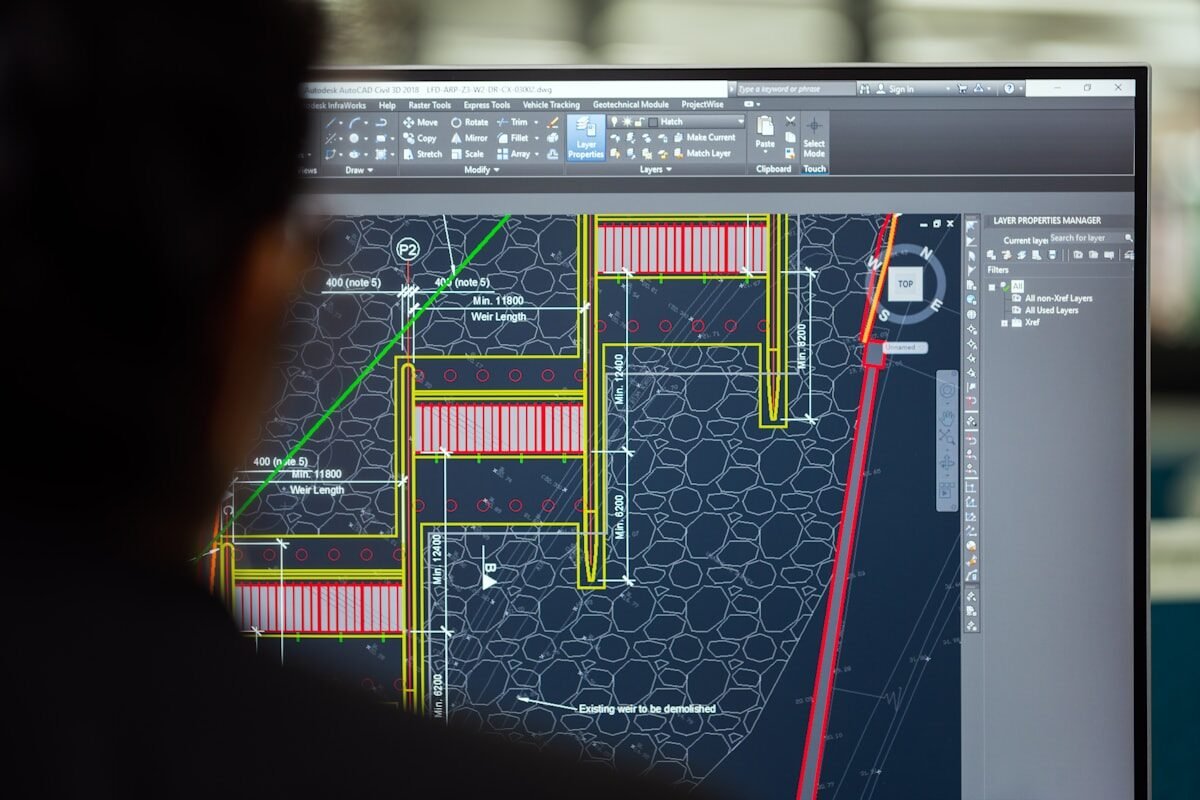
Engineers reviewing cleanroom filter drawings and pressure drop schedules
Air Filtration Application Engineering
Multi-stage staging, ISO 29463 scan reports & gel-seal knife-edge coordination.