

YONGFAN HVAC - Premium Header
Engineered HVAC & Industrial Air Systems
YONGFAN HVACYOFAN HVAC Home
HVAC Components by Industry | YONGFAN
Sector-Specific HVAC Engineering

HVAC Components by Industry: Operating Risk Over Model Numbers

HVAC components that work in a commercial building can fail in a refinery, cleanroom, tunnel or archive when contamination, fire duty, pressure or material limits change.

YONGFAN organizes HVAC components around the operating risks that matter in each sector — mapping hazard classification, particulate & gas-phase cleanliness, fire smoke rating, and fluid metallurgy to robust product architectures.

9 Sectors Industrial · Cleanroom · Commercial
Ex · Fire Ratings GB 3836 · 280°C / 30 min
Cleanliness Scope ISO 14644 · ISA 71.04 G1
Metallurgy Options 304 · 316L · Titanium TA1 · Hastelloy
Engineers reviewing industrial HVAC systems and plant equipment
Risk-First Engineering Matching Contaminants, Hazard Zones & Thermal Duty to Component Builds
01 / Operating Risks

Industry Conditions Change the First Failure Point

Components selected from generic catalog airflow or nominal cooling capacity frequently fail in mission-critical environments when chemical, thermal, or pressure conditions diverge.
Petrochemical refinery process units and industrial air systems
Severe Duty Mismatch

Why Generic HVAC Fails in Process Environments

Treating industrial, healthcare, or cleanroom facilities like commercial office space causes premature corrosion, loss of containment, or catastrophic life-safety failures.

Gas-Phase Corrosion Attack

Control rooms receive cooling air, yet H2S and SO2 attack electronic contacts because particulate filters were mistaken for molecular corrosion control.

Impact: Control card failure & unexpected plant trips

Non-Ex Fans in Solvent Zones

Commercial fans moved into classified solvent areas match airflow but lack non-sparking impellers and Ex motors required for Zone 1/2 hazardous duties.

Impact: Severe explosion risk & code non-compliance

Cleanroom Ceiling & Seal Bypass

A HEPA filter is installed, but the final zone misses particle limits because terminal sealing, frame clamps, and room-pressure cascades were omitted.

Impact: Cleanroom qualification and yield failure

Tunnel Fan Thrust vs. Free Airflow

Tunnel fans selected by free airflow fail to control smoke during emergencies because longitudinal ventilation depends on installed thrust and spacing.

Impact: Life-safety smoke backlayering risk

Industry Selection Changes Six Core Engineering Questions

1. Contaminant Type Particulates (dust/aerosols) vs. Molecular (H2S, SO2, Cl2, NH3, VOCs).
2. Hazard Classification Standard commercial duty vs. ExdbIIBT4 / ExdbIICT4 explosion-proof builds.
3. Fire & Smoke Duty Continuous ventilation vs. certified 280°C / 30 min emergency smoke extraction.
4. Water Chemistry Standard HVAC water vs. titanium TA1 / Hastelloy for chloride & acid process loops.
5. Control Philosophy Comfort VAV & thermostats vs. pressure-independent cleanroom cascade control.
6. Maintenance Access Disposable panel racks vs. rail-mounted MediaPAK modules & walkable ceiling grids.
02 / Sector Directory

Explore YONGFAN Components by Industry Sector

Select your industry to explore component selections configured around the governing operating risks, certification standards, and system interfaces.
Petrochemical refinery process units 01 · Hazardous & Corrosive

Petrochemical & Chemical

BT35-11 & DTF explosion-proof fans (ExdbIIBT4/CT4), PSA/DBS control room corrosion protection (ISA 71.04 G1), WGP industrial exhaust scrubbers, and titanium/Hastelloy heat exchangers.

GB 3836 Ex H2S · SO2 · VOC Titanium TA1
Explore Petrochemical Components

Data center server racks and precision cooling 02 · Electronics Protection

Data Centers & Control Rooms

Separating particulate filtration (ZF7/8) from corrosive gas-phase filtration. DBS positive-pressure/recirculation units, PSA-PG high-volume fresh air, and CA dedicated in-room purifiers.

PSA 850–34,000 m³/h MediaPAK Modules <1% Leakage
Explore Data Center Components
Semiconductor fab cleanroom manufacturing 03 · Sub-Micron Cleanliness

Semiconductor & Electronics

Staged particulate pre/medium filtration, GCDZ ultra-low-resistance HEPA/ULPA filters (≥99.99% MPPS), GCFK shallow ceiling diffusers, and PSA airborne molecular contamination (AMC) scrubbers.

ISO 14644-1 AMC Chemical Scan Leak Testing
Explore Semiconductor Components
Pharmaceutical aseptic cleanroom suite 04 · Sterile Boundaries

Pharmaceutical & Cleanrooms

Supporting EU GMP Annex 1 Contamination Control Strategies (CCS). GFK passive HEPA diffuser boxes, GCDZ-26Y gel-seal liquid tank filters, FFU fan filter units, and DFX purification fan boxes.

EU GMP Annex 1 Gel-Seal Tank DFBZ Solvent Ex
Explore Cleanroom Components
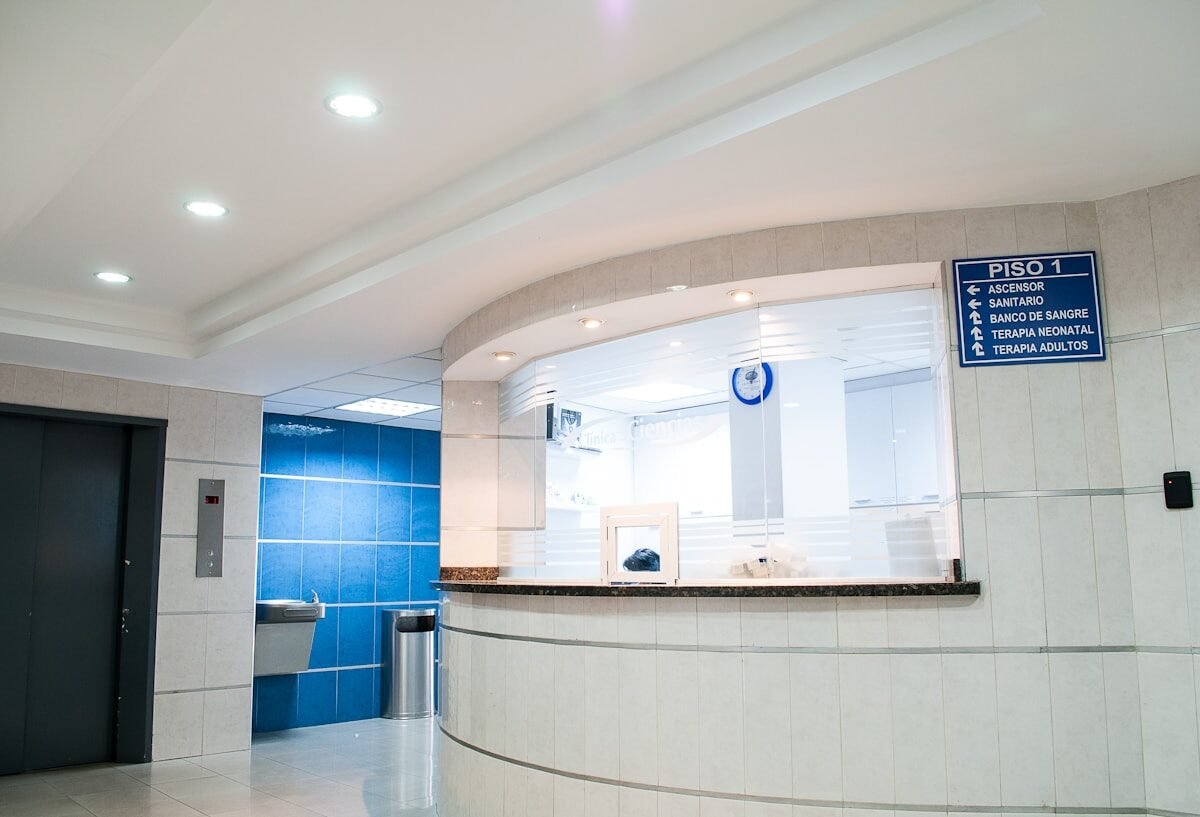
Modern hospital and healthcare facility 05 · Infection Control

Hospitals & Healthcare

Airside components for Airborne Infection Isolation (AII) and Protective Environment (PE) rooms per ASHRAE 170 / CDC guidance. DFX HEPA fan boxes, U-tube storage calorifiers, and RLC softeners.

ASHRAE 170 Negative Pressure U-Tube 100–15,000L
Explore Healthcare Components
Commercial high-rise office building 06 · Comfort & Energy

Commercial Buildings

Demand-based comfort systems per ASHRAE 62.1 and 90.1. YFVAV-S-T100 pressure-independent VAV boxes (Ø125–Ø400 mm), DFX ventilation fan boxes, plate heat exchangers, and dynamic balancing valves.

VAV 122–6,232 m³/h Hot-Water Reheat Direct-Mixing Heating
Explore Commercial Components
Industrial manufacturing workshop and process ventilation 07 · Process & Workshop

Industrial Facilities

4-72 high-pressure centrifugal fans (up to 3,200 Pa), T35-11 bifurcated fans for hot/dusty air (≤80°C), DWT-II roof fans, gasketed plate heat exchangers (up to 2.5 MPa), and JFGP electronic water treatment.

4-72 to 46,988 m³/h Motor-Out-of-Airstream JFGP Physical Descaling
Explore Industrial Components
Road tunnel longitudinal jet fan ventilation 08 · Life Safety & Thrust

Tunnels & Transportation

SDS unidirectional & SDS(R) reversible tunnel jet fans (up to 3,046 N thrust, 30s reversal), 1D/2D silencers, PYHL-14A car-park induction fans (280°C / 30 min), and DTF high-capacity ducted smoke fans.

NFPA 502 · ISO 13350 3,046 N Static Thrust Reversible SDS(R)
Explore Transportation Components
Museum exhibition gallery and conservation archive 09 · Heritage Preservation

Museums & Archives

Preventative conservation per NARA guidelines. V-Type activated carbon modules, HT refillable carbon canisters (1.7/2.6 kg carbon), low-resistance particulate pre-filters, and low-leakage airtight dampers.

ISO 10121 V-Type Carbon Refillable HT Canister
Explore Preservation Components
03 / Cross-Sector Matrix

Industry Routing by the First Engineering Risk

Cross-reference all nine sectors by primary challenge solved, key YONGFAN product family boundaries, and the critical first technical input required.
Sector Route What It Solves Documented Range Boundary First Input to Confirm Specification Action
Corrosive gas, hazardous ventilation, control-room protection, process utilities BT35/DTF Ex; PSA/PSA-PG/DBS chemical Hazard classification (Zone/Group/Temp) + Gas profile View Sector
Particulate and corrosive-gas control around electronics DBS server/control; PSA 850–34,000 m³/h; PSA-PG to 68k Particle/gas profile + Room pressure strategy View Sector
Staged particulate filtration and clean-air delivery Medium filters + HEPA/ULPA scan-test; DFX H13/H14 Cleanliness requirement + AMC chemical risk View Sector
Clean-air filtration, terminal delivery, controlled ventilation GFK / GCFK / FFU / GCDZ-26Y gel-seal Room/process GMP grade & ceiling void depth View Sector
Ventilation, filtration, hot water and hydronic support DFX hospital application; U-tube storage 100–15,000 L Room/service type (AII, PE, Ward, Plant) View Sector
Comfort ventilation, VAV control, acoustics and hydronics DTF commercial; YFVAV-S-T100 approx. Ø125–Ø400 Zone airflow + Sound/control target View Sector
Workshop/process exhaust, heat exchange and utility-water T35 airstream to 80°C; 4-72 to 3,200 Pa; Plate to 2.5 MPa Air/process temperature & static pressure View Sector
Longitudinal, ducted and emergency smoke ventilation SDS/SDS(R) to 3,046 N thrust; Reversal in 30s Geometry + Installed thrust / Fire mode View Sector
Particulate/gas contaminant control and low-leakage distribution V-Type carbon; HT canisters (1.7/2.6 kg); Airtight dampers Collection preservation requirement & target gas View Sector
04 / Procurement Protocol

Describe the Operating Risk Before the Equipment Model

A useful industry enquiry should explain the operating environment before listing model numbers. Providing clear physical boundaries ensures accurate sizing and valid submittals.
STEP 01

Airside Ventilation

Provide airflow (m³/h or CFM), static pressure, airstream temperature, air composition, acoustic target, and normal/fire/Ex duty.

STEP 02

Clean & Protected Rooms

State room dimensions, particle/cleanliness target, pressure relationship, filtration stages, and terminal ceiling architecture.

STEP 03

Corrosive Environments

Identify target chemical gases (H2S, SO2, Cl2, NH3, VOCs) and measured concentrations in ppb/ppm where available.

STEP 04

Hydronics & Heat Transfer

Provide flow rate, primary/secondary temperatures, operating pressure, fluid chemistry, and water analysis reports.

Engineering Handoff

Sector-Specific RFQ Checklist

Send your available schedule data, drawings, or project specification. YONGFAN application engineers will map your operating conditions to the correct product family.

1. Facility Type & Operational Duty
2. Design Airflow & Static Pressure
3. Hazard Classification (Zone 1/2, Gas Group)
4. Cleanliness Target (ISO Class / GMP Grade)
5. Target Corrosive Gases & Concentrations
6. Emergency Smoke Rating (280°C / 30 min)
7. Thermal Program & Fluid Metallurgy
8. Tunnel Geometry & Thrust Requirements
05 / Manufacturing Verification

Product Consistency Verified at the Component Level

YONGFAN manufactures and tests system components under traceable quality frameworks across filtration, industrial fans, chemical scrubbers, and heat exchangers.
Air Filtration

Pleat & Leak Scanning

Automated pleating and assembly with efficiency, initial resistance testing, and 100% individual scan/leak testing for HEPA and ULPA grades.

Ventilation Fans

Dynamic Balancing & Thrust

In-house impeller fabrication, dynamic balancing, run-testing for pressure and vibration, plus dedicated thrust measurement rigs for SDS tunnel jet fans.

Chemical Scrubbers

Casing Leakage Testing

Casing leakage verified against <1% at 1,000 Pa benchmark on DBS/PSA units, media quality assurance (iodine value ≥1,000 mg/g, CTC ≥60%), and control checks.

Heat Transfer

Hydrostatic & Cross-Leak QA

Built under GB150/GB151 frameworks with material verification, hydrostatic pressure testing at 1.25–1.5× design pressure, and separate-side leak checks.

06 / Engineering Knowledge

Industries Frequently Asked Questions

Direct answers to routing and component selection questions across multi-sector industrial and commercial facilities.

Which industry page should I use for an industrial control room?

Use Data Centers & Control Rooms when the main risk is protecting electronics and maintaining the room environment. Use Petrochemical & Chemical when the larger project includes hazardous process ventilation, corrosive process areas, or refinery utility systems.

Where should I look for a clean electronics production area?

Start with Semiconductor & Electronics. If the project is primarily a pharmaceutical classified room with GMP compliance requirements, use Pharmaceutical & Cleanrooms.

Which page covers ordinary offices and hotels?

Use Commercial Buildings for comfort ventilation, VAV terminals, fan boxes, fire dampers, hydronic control valves, and central plant room components.

Where do hospital clean areas belong?

Use Hospitals & Healthcare for healthcare-specific system routing. The page connects to cleanroom filtration where surgical suites or protective environments require that architecture.

Which industry route covers factories and manufacturing plants?

Use Industrial Facilities for workshops, high-temperature exhaust, and utility systems. Use the petrochemical page instead when classified hazardous atmospheres or corrosive-gas process conditions dominate.

Are tunnels and underground car parks on the same page?

Both route through Tunnels & Transportation, but their architectures differ: longitudinal tunnel jet fans (SDS/SDS(R)), car-park induction fans (PYHL-14A), and ducted exhaust fans (DTF) are selected from different calculations.

Are museums treated like commercial buildings?

Not when collection preservation drives the HVAC requirement. Use Museums & Archives when particulate capture, gaseous pollutant adsorption (V-Type/HT canisters), and preservation stability take priority over occupant comfort alone.

Do these industry pages replace the Systems & Solutions section?

No. Industry pages start from the operating environment and sector risks. Systems & Solutions starts from the engineering discipline (e.g. Airside, Hydronic, Life-Safety). Both routes connect to the same component families.

07 / Application Boundaries

Industry Pages Define Context, Not Complete Facility Scope

YONGFAN is positioned around HVAC system components and auxiliary equipment. Understanding scope boundaries ensures seamless engineering collaboration.
Boundary 01 / Primary Plant

Not Complete Chiller / AHU Packages

YONGFAN does not supply the complete chiller plant, central primary AHU casing, precision CRAC unit, or refinery turnkey EPC package.

Boundary 02 / Facility Qualification

Project Engineering Responsibility

Facility-level compliance, process validation, pharmaceutical qualification, and cleanroom classification remain project design responsibilities.

Boundary 03 / Life-Safety Design

Fire & Tunnel Safety Study

Tunnel emergency life-safety modeling, smoke backlayering simulations, and hazardous-area boundary studies must be conducted by certified project consultants.

Boundary 04 / Component Selection

Verified Operating Points

Always verify component selections against actual airflow, static pressure, chemical concentrations, fluid metallurgy, and market-specific certificates.

08 / Engineering Handoff

Select the Right HVAC Components for Your Industry

Send your project drawings, equipment schedules, or hazardous area parameters — YONGFAN application engineers will help configure the right component packages for your operating duty.

Airflow & Static Pressure Hazard Zone (Zone 1/2 Ex) ISO Cleanroom Class (ISO 1–8) Gas-Phase Contaminants (ppb/ppm) Smoke Duty (280°C / 30 min) Water Metallurgy (316L / Ti / Hastelloy)
YONGFAN application engineers reviewing multi-sector HVAC project schedules
Direct Application Engineering Support
Duty-matched component schedules, CAD submittals & custom certification packages.